

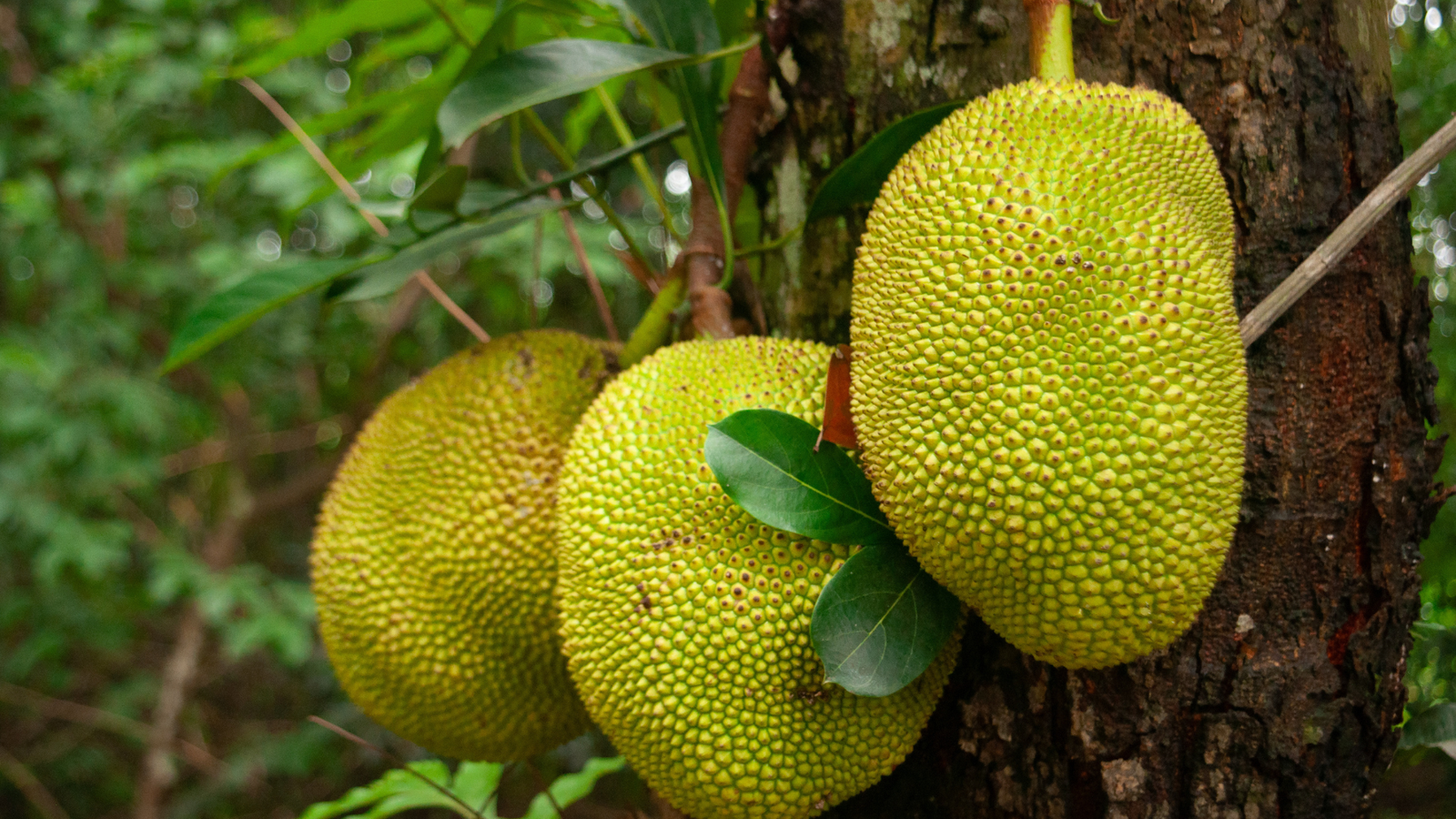
The jackfruit tree (Artocarpus heterophyllus) is a remarkable tropical evergreen known for its enormous fruit, which can weigh up to 80 pounds. Native to Southwest India, this tree has quickly spread across tropical regions worldwide, becoming popular for its sweet, pineapple-banana flavor. It thrives in tropical climates, requiring warmth, sunlight, and high humidity to grow successfully. Whether you’re a gardening enthusiast or a culinary explorer, cultivating a jackfruit tree can be a rewarding experience. With proper care and knowledge of its growth cycle, you’ll be able to enjoy its delicious fruit in your own backyard. In this article, we’ll explore how to plant, care for, and harvest the jackfruit tree.
What is Jackfruit?
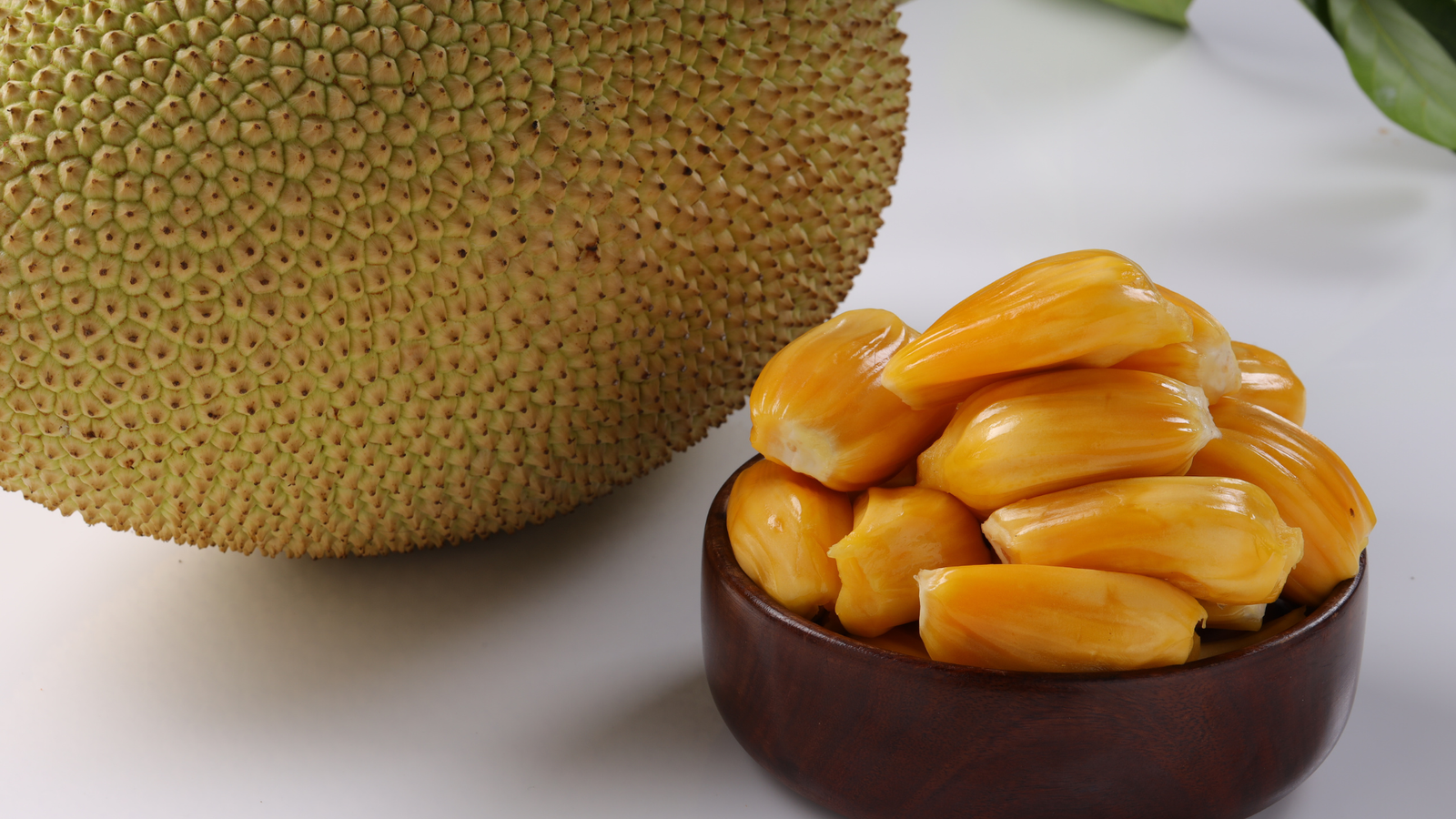
The jackfruit tree (Artocarpus heterophyllus) is a large tropical evergreen native to India. It produces one of the largest edible fruits in the world. The fruit can grow up to 80 pounds in weight. Its taste is often compared to a mix of banana, pineapple, and mango, making it a delicious and exotic treat. Jackfruit is also used in savory dishes, especially in its unripe form, as a vegan substitute for meat.
This tree has shiny green leaves and can reach heights of 30 to 70 feet. It thrives in tropical and subtropical regions, and understanding its light, soil, and water needs is crucial to its growth.
Where Does Jackfruit Come From?
The jackfruit tree originates from the tropical regions of Southwest India. Over time, it spread across Southeast Asia, the Philippines, and into parts of Africa and the Caribbean. Today, it is also cultivated in parts of the U.S. like Florida and Hawaii, where the ideal climate for jackfruit is present. Its growing popularity is also attributed to its nutritional benefits and unique taste, which have made it a favorite among many.
Despite its origins, jackfruit trees are now grown in many countries with the proper tropical conditions, like humidity and consistent warmth. The jackfruit tree has quickly become a sought-after fruit for home gardeners and commercial growers alike.
How to Plant Jackfruit Trees
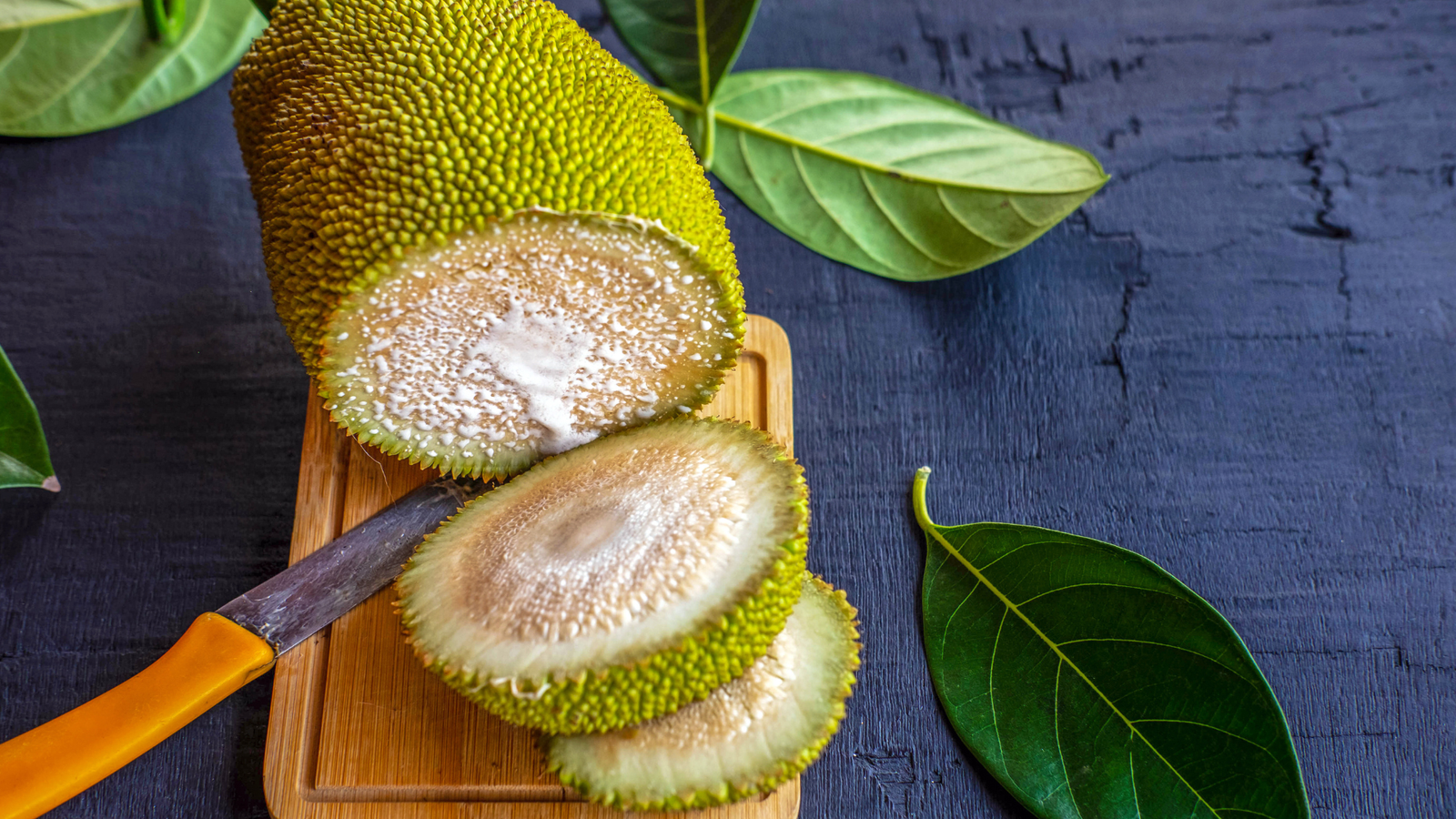
Planting jackfruit trees requires a few key steps to ensure a healthy start. First, select a healthy young jackfruit sapling from a reputable nursery. This will help you avoid problems like disease or root stress. Ensure the tree is free from any visible signs of damage or disease. When you are ready to plant, dig a hole that is two feet deep and two feet wide to allow enough space for the roots to expand.
Jackfruit trees need a well-drained soil environment with a slightly acidic to neutral ph. Be sure to plant your tree in an area that receives full sun for at least six hours per day, as this is essential for strong growth and fruit production.
When to Plant Jackfruit Trees
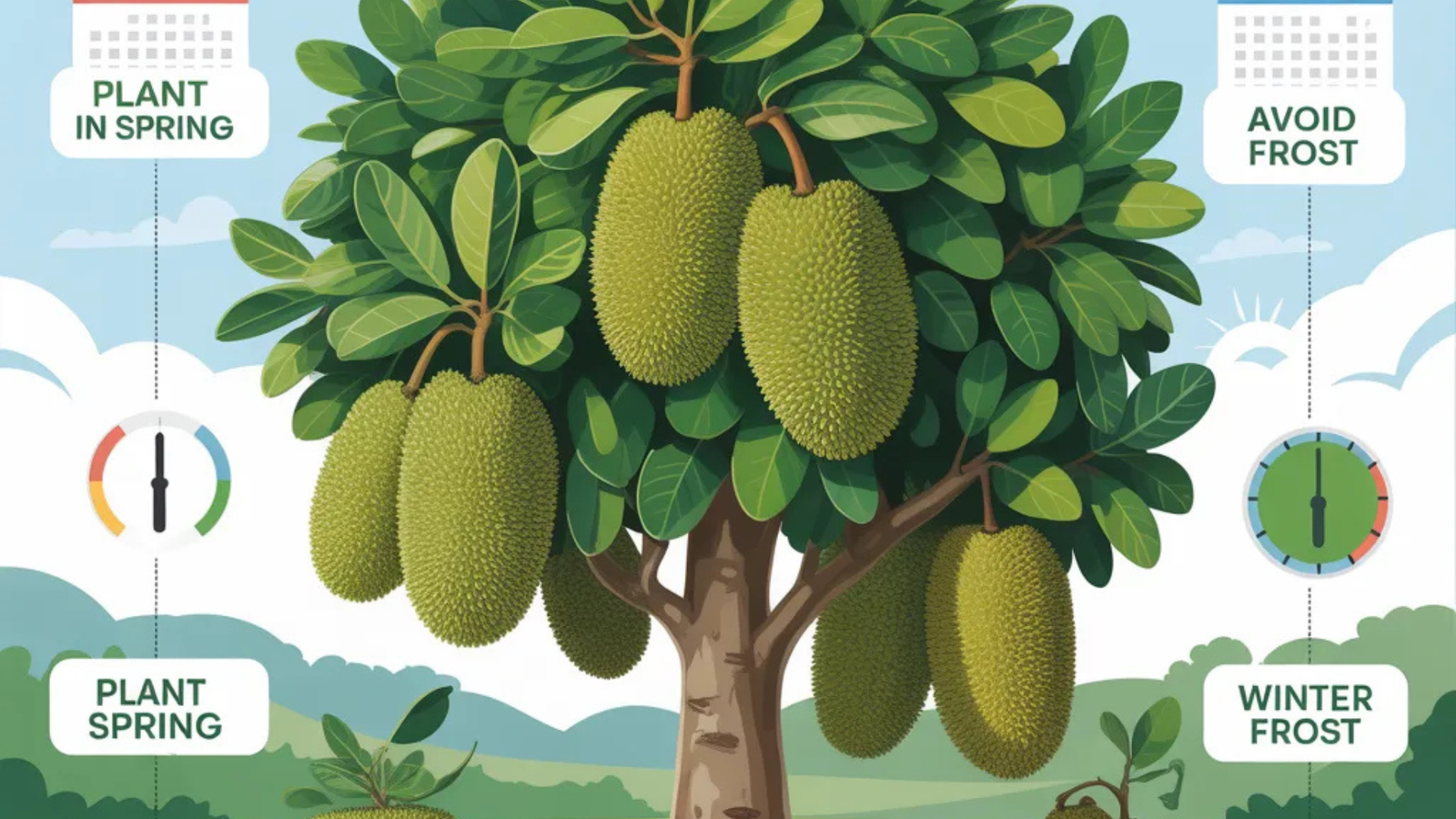
The best time to plant jackfruit trees is during the spring or early summer, when the weather is warm and conducive for growth. These trees thrive in temperatures between 70°F to 90°F. Planting during these seasons ensures the jackfruit tree gets the necessary warmth and sunlight to begin its growth cycle.
Avoid planting during cold seasons or times when there is a risk of frost. Frost protection for jackfruit trees is crucial, as these trees are sensitive to cold weather. Young trees, in particular, are vulnerable to frost damage, which can stunt their growth or even kill them.
Spacing, Depth, and Support for Jackfruit Trees
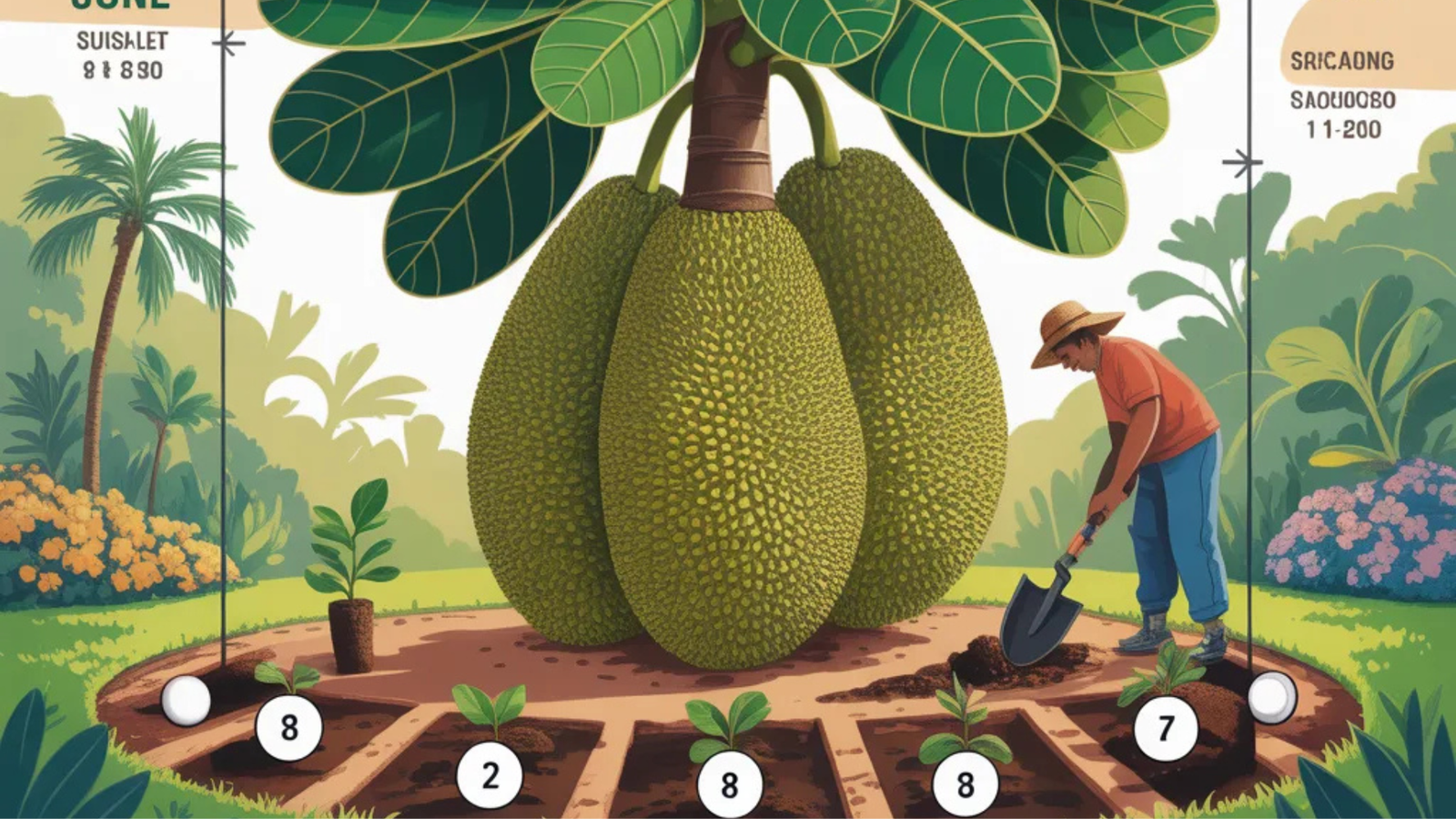
When planting jackfruit trees, spacing is essential. These trees need plenty of room to grow, so space them at least 20 to 30 feet apart from other plants, structures, or power lines. This gives the tree enough space to develop its large branches and roots.
Ensure the hole is deep enough, about two feet deep and two feet wide, to encourage healthy root growth. Once planted, mound the soil around the stem to provide additional support. Jackfruit tree care also involves staking the tree when it is young, which helps it grow upright and sturdy.
Light, Soil, and Water Requirements for Jackfruit
Jackfruit trees have specific light and soil needs that must be met for successful growth. These trees require full sunlight for at least six hours a day to thrive. If the tree does not receive enough sunlight, it may not bear fruit. Choose a spot in your garden that gets plenty of direct sunlight.
The jackfruit tree soil requirements are important, too. It needs loamy, moist, and well-drained soil. The tree also thrives in soil with a slightly acidic to neutral ph. To maintain moisture, mulching for jackfruit trees can be very beneficial, especially in dry climates. Ensure the tree is watered regularly, but be cautious not to overwater, as too much water can lead to root rot in tropical fruit trees.
Temperature and Humidity: Ideal Conditions for Growth
The ideal climate for jackfruit trees involves warm temperatures and high humidity. These trees are sensitive to cold, and temperatures below 35°F can be fatal. To keep your tree healthy, provide it with a humid environment, as it thrives best in high humidity areas.
If you are planting in a non-tropical climate, consider building a greenhouse or using humidity-boosting methods to create the best conditions for growth. Frost protection for jackfruit trees is also necessary during cold spells. Ensure your tree is well-protected from sudden temperature drops.
Common Plant Diseases and Problems
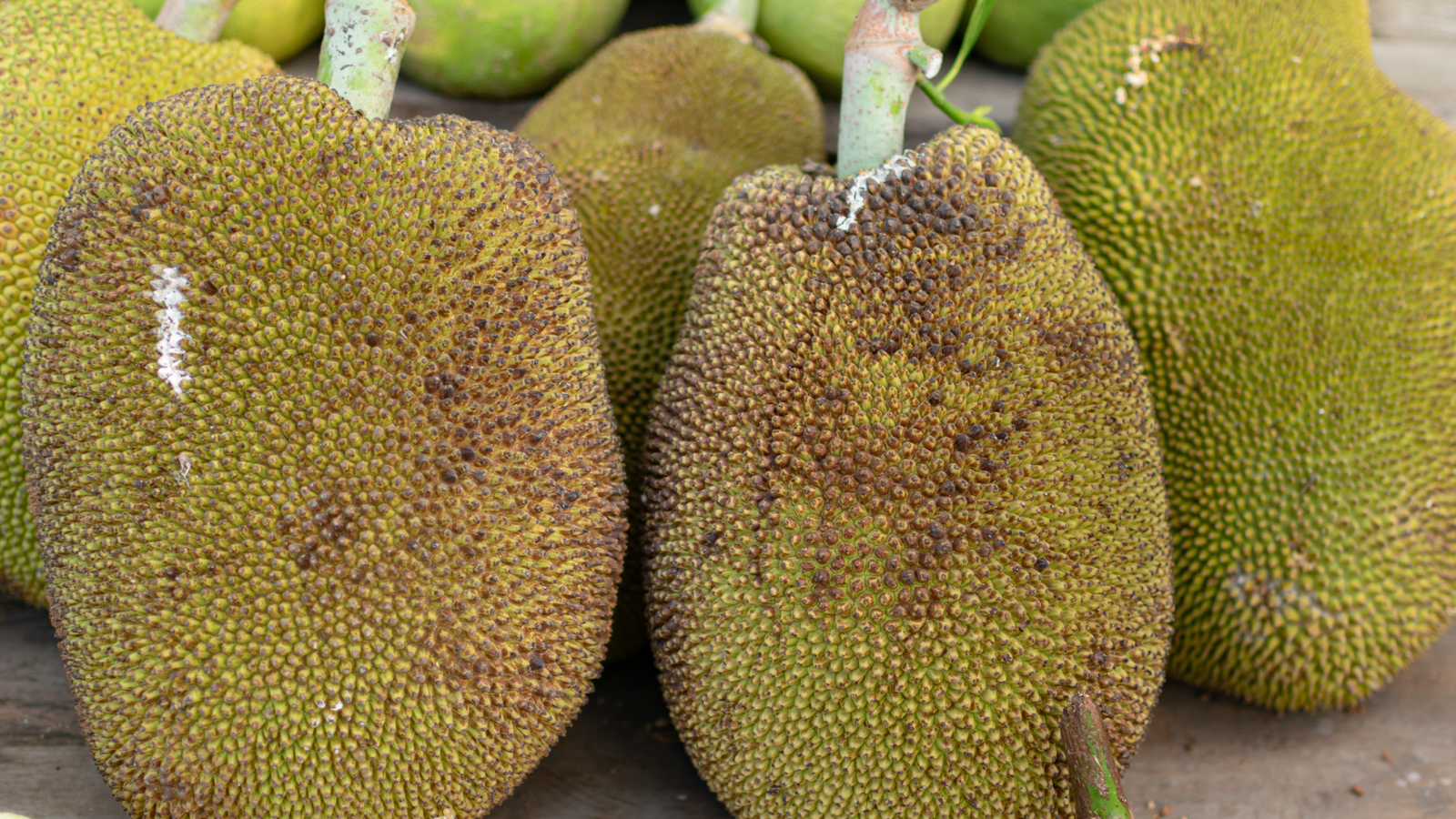
Like any tropical fruit tree, the jackfruit tree can be susceptible to various diseases. One of the most common is Rhizopus rot, which typically occurs during high-rainfall periods. This fungal infection can cause the tree to lose its fruit prematurely. Ensuring that the fruit skin remains intact is key to preventing the spread of this disease.
Common problems with jackfruit also include root rot, which is often caused by overwatering or poor drainage. It’s essential to plant the tree in well-drained soil and avoid letting the roots sit in stagnant water. Regularly check your jackfruit tree for signs of disease or pests and take quick action if needed.
Growing Jackfruit from Seed: A Step-by-Step Guide
Starting jackfruit from seed is a great way to grow your own tree, but it requires patience. First, soak the seeds overnight to soften the hard outer shell. Then, plant the seeds about one inch deep in moist, well-drained soil. Keep the soil warm and consistently moist.
It can take anywhere from three to eight weeks for the seeds to germinate. Once the seedling has four leaves, it’s time to transplant it into a larger space. Be cautious, as jackfruit tree transplanting tips suggest that transplanting too late may damage the roots.
Harvesting Jackfruit: When and How
Common Challenges in Growing Jackfruit
Despite its many benefits, growing jackfruit comes with a few challenges. One of the main problems gardeners face is limb decline due to the heavy weight of the fruit. Thinning the fruit early can help reduce the strain on the limbs. Another common challenge is ensuring proper pollination, especially if you live in a region that doesn’t naturally support insect or wind pollination.
Additionally, tropical fruit tree pests can sometimes become a problem, but regular care and vigilance can prevent most issues. Caring for young jackfruit trees involves regular inspection for pests and diseases.