

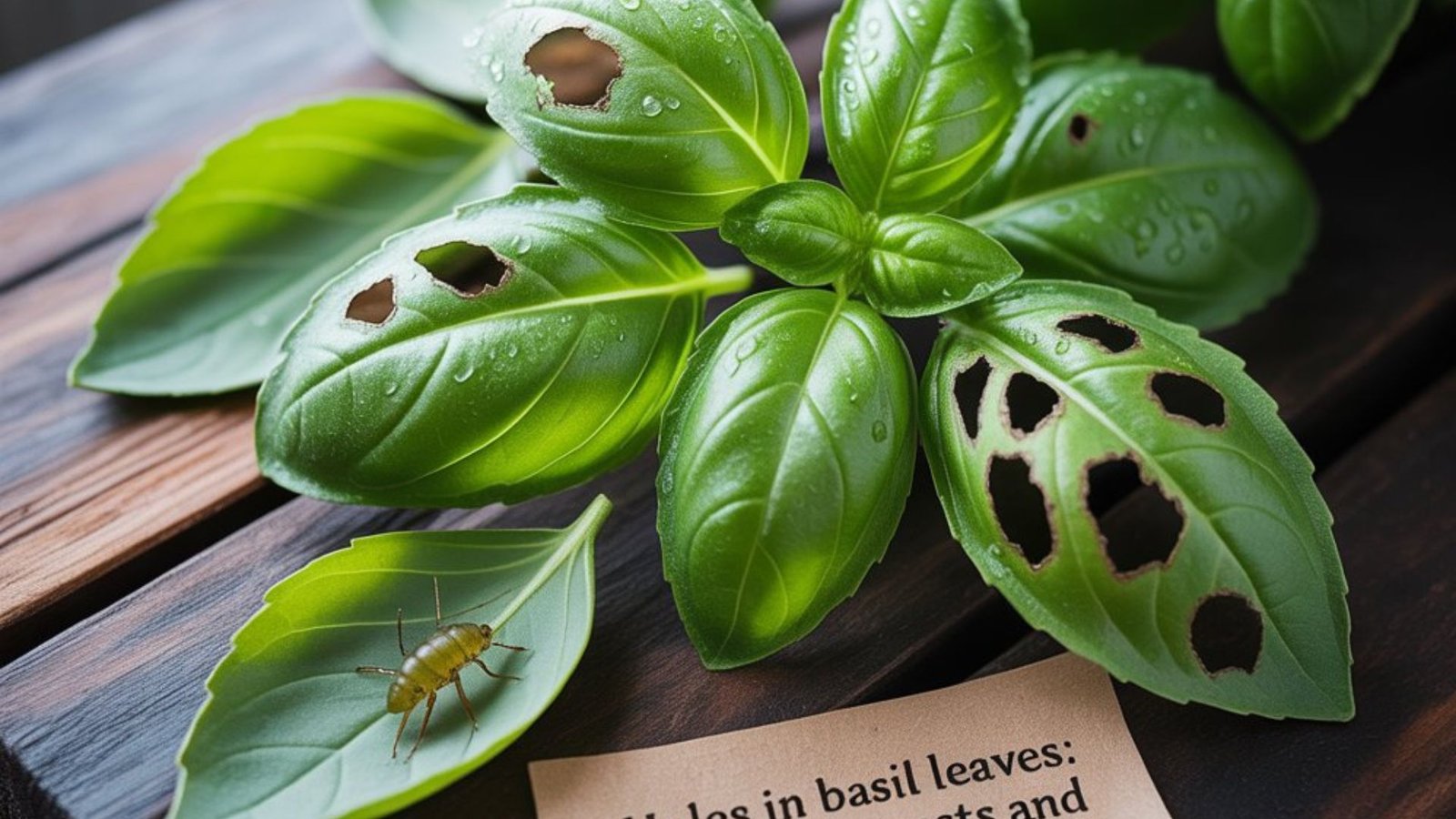
Holes in the leaves of basil are an issue for gardeners because they are often a sign of the presence of diseases or pests. The care of your basil plants is vital to ensure that your plants are healthy However, if you spot the leaves of your basil are damaged it is important to take action immediately. The holes are typically caused by pests that commonly consume basil leaves, like snails, Japanese beetles, and the aphids that attack the basil. Although the damage might not be immediate enough to kill the plant, excessive feeding could weaken it and limit its ability to grow new leaves. Finding the right pest or problem is an initial step in resolving the problem and avoiding future destruction. This guide will help you to understand how to protect the basil plant and manage pests effectively.
What Is Eating My Basil Plant?
If you’ve noticed holes on your basil leaves you might be thinking about who is the culprit. A variety of pests feast on basil plants which can cause damage. These include snails, slugs, Japanese beetles, earwigs and aphids, which consume basil. Certain pests cause holes while others cause damage that is subtle like wilting or discoloration.
The identification of the bug will be the initial step to getting rid of it, and also saving the basil plants. A quick inspection of your plant can help you determine which pest is responsible for the damage.
Slugs and Snails: The Silent Destroyers
The snails as well as the slugs make up two of the most frequent pests that consume basil. They are fond of eating soft leaves, and leave tiny holes in the soil. They are most active during the night, as the temperatures drop. Controlling slugs in basil is crucial to stop the destruction of your basil. To deter snails and slugs in their tracks, you can sprinkle diatomaceous Earth for pests all over the plant. This abrasive substance can harm their soft bodies and can help decrease the number of them. Furthermore, crushed eggshells or wood ashes could serve as natural barriers to keep snails from coming towards your basil.
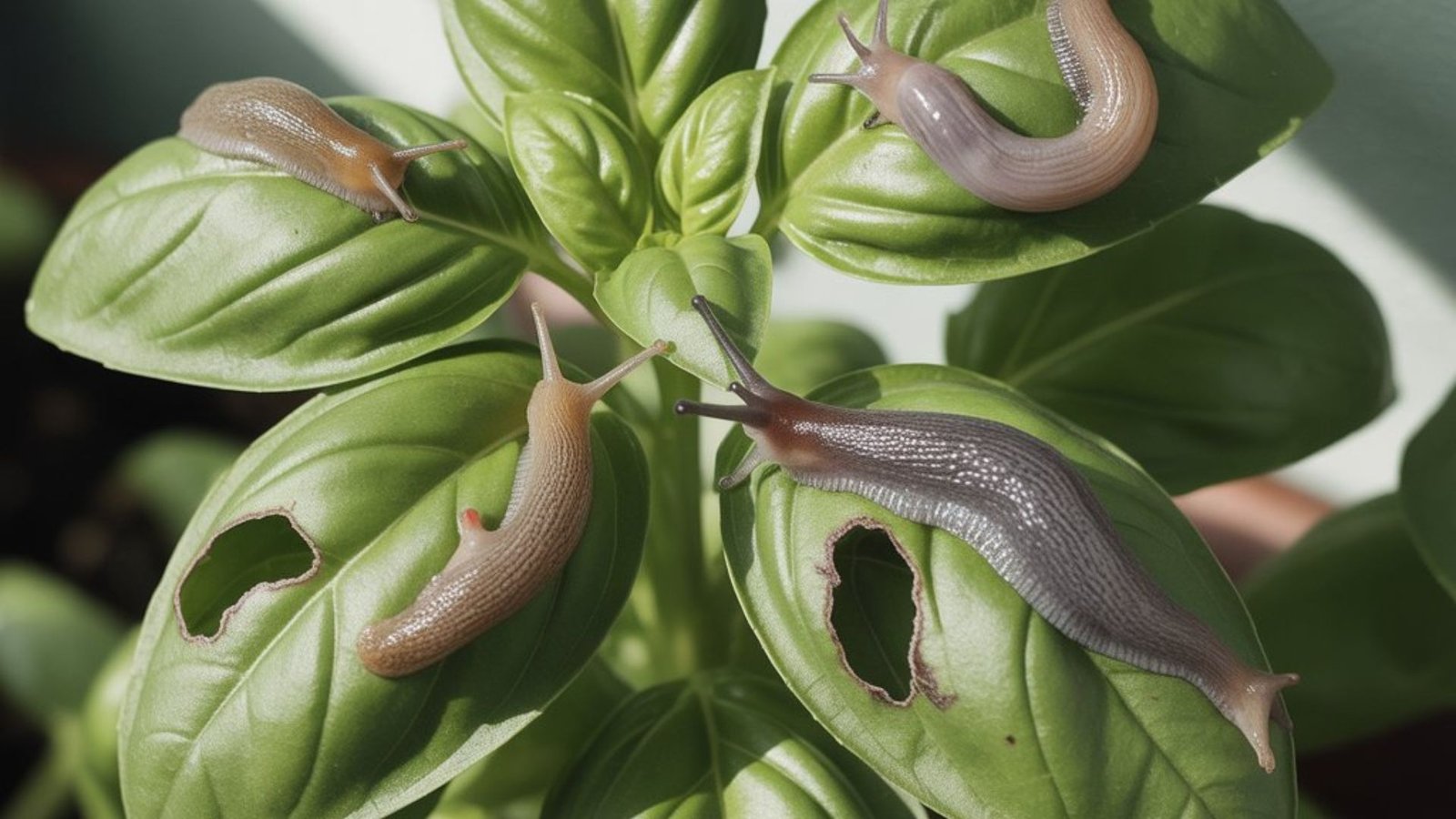
Keep your garden tidy and clear any debris which they could hide throughout the daytime. Make sure to regularly check your basil to identify pests that are early.
Japanese Beetles: A Devastating Pest for Basil
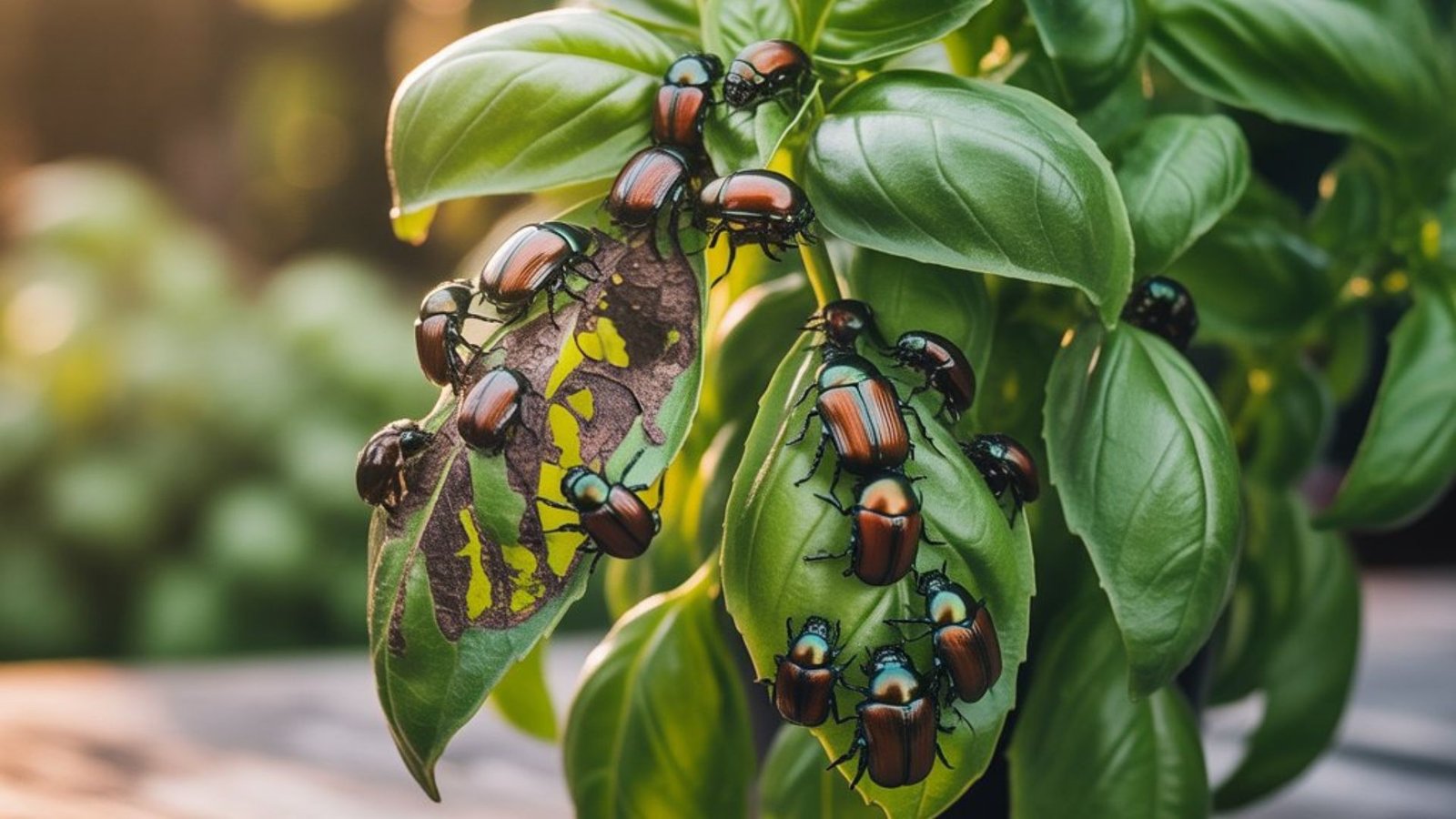
Japanese beetles are famous for their ability to cause significant harm to basil leaf. They eat the leaves from the edges, leaving them skeletonized. This pest not only damages basil but also affects other plants like roses and beans. The beetles are metallic green with bronze-colored wings. If you see small holes appearing in basil leaves that have an appearance of skeletonized The cause is probable Japanese pests that have caused damage to your basil leaves. The beetles can be eliminated by handpicking them and dropping in soapy water. It is also possible to apply neem oil to pest control. It acts as a deterrent for adult beetles. Beware of traps using pheromones because they could attract more beetles than repel.
Earwigs: A Hidden Threat to Basil Leaves
Earwigs in the garden are another insect that can create holes in the basil leaves. Insects tend to remain hidden during the day, and feed in the evening and are difficult to identify. They are renowned for their huge pincers. They can appear frightening, but they’re more than a nuisance, and are not danger to your home. Controlling earwigs in your garden isn’t easy however, you can begin by eliminating hiding spots. Lift your basil pots up with bricks to get rid of places of darkness. You can also apply insecticide soap in order to splash the herb. When the problem is serious it is possible to apply a chemical treatment like garden dust or carbaryl to lessen their numbers.
Aphids and Soft-Bodied Insects: The Tiny Culprits
Aphids on basil are tiny but can cause big problems. They sucking the sap out of the basil leaves, leading to distortion, yellowing and even death of leaves. Aphids release a sticky liquid called honeydew that could cause the development in black mold that can grow on plants. Aphid signs of infestation include curled or distorted leaves and sticky residues in the leaves. To get rid of aphids, you can apply organic pest control methods, such as insecticidal soap for basil, or Neem oil for plants. These treatments are applied directly to the plant, including the lower part of the leaves, which is where the aphids usually conceal. Maintaining your basil’s health and well-watered will also decrease the possibility of an attack by aphids.
Identifying Other Potential Basil Pests
Besides slugs, snails, Japanese beetles, earwigs, and aphids, other pests may also affect your basil. Grasshoppers are known to chew large holes in basil leaves, especially in dry weather. Owlet moths are another potential pest, with their larvae damaging basil leaves. If you find odd holes, watch out for signs of pests. There are also natural slug repellents for basil, like crushed garlic, or peels of citrus. The pests are easily controlled through regular monitoring and appropriate methods.
How to Keep Bugs from Eating Basil: Best Practices for Prevention
The most effective way to keep the pests that eat your basil to use gardening pest control and ensuring that the plants are healthy. Make sure you plant basil plants them in soil that is well-drained and making sure they are spaced properly to ensure good air circulation. Always check your basil for indications of damage from pests. Maintaining the area around your plant free of garden debris and weeds can also to keep pests out. Additionally, companion planting can deter certain pests.
For example, planting basil near tomatoes can help repel insects like aphids. If you already have pests make sure to use non-toxic methods to control pests in your garden such as neem oil pest prevention, or diatomaceous Earth to control pests.
Common Diseases That Cause Holes in Basil Leaves
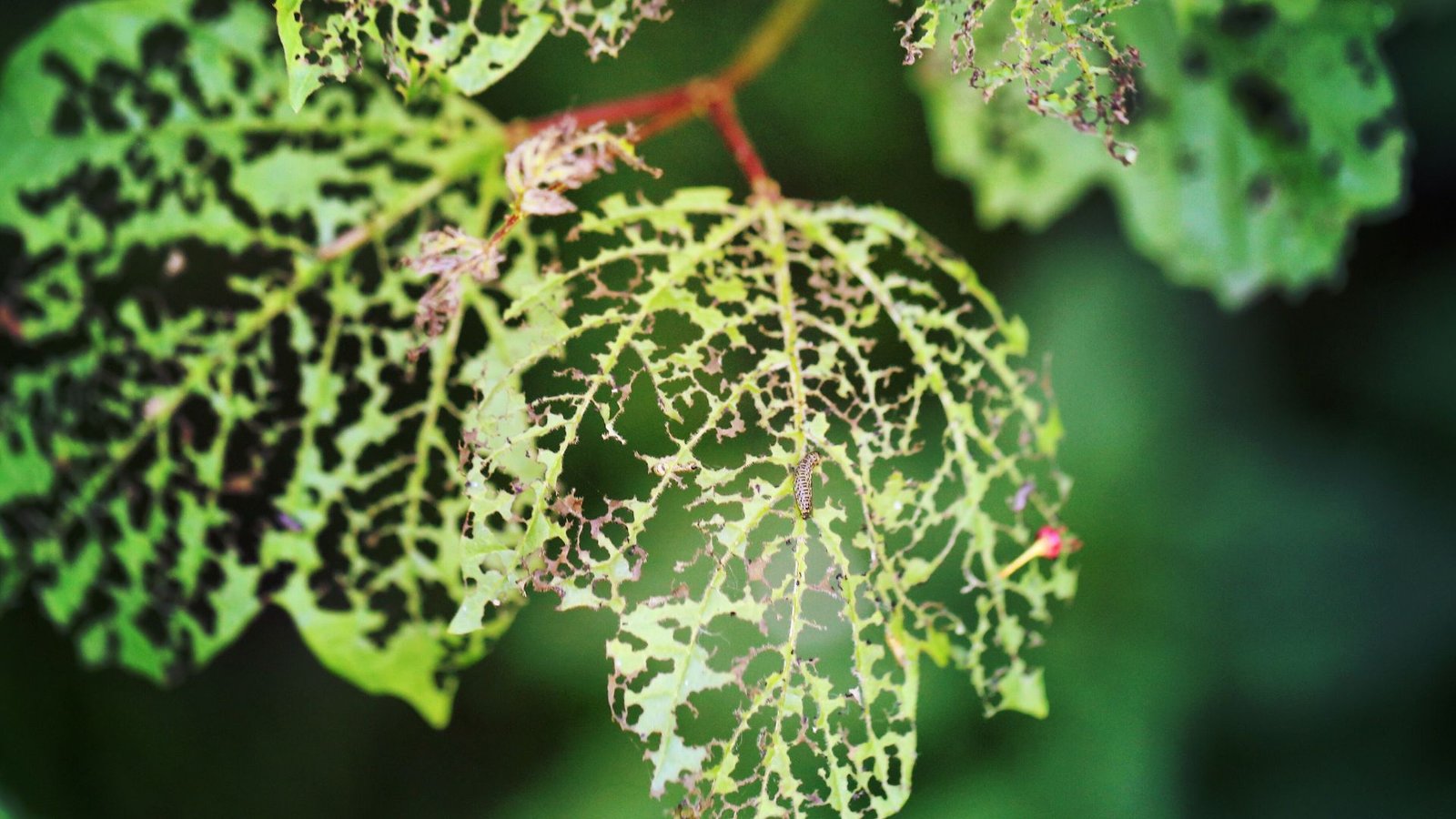
While pests are the most common cause of holes in basil leaves, diseases can also play a role. Cercosporin leaf spot is a fungal disease that causes dark, sunken spots with holes. This plant is thriving in moist environments and is able to spread rapidly If not controlled. To stop fungal infections avoid excessive watering and ensure that your basil plants are getting good circulation of air. If you observe signs of damage to the basil leaves caused by a fungal disease, take the affected leaves off then apply a chemical when needed. Check your basil regularly for any changes and ensure it is healthy.
Natural and Chemical Solutions to Treat Holes in Basil Leaves
Conclusion: Keeping Your Basil Healthy and Pest-Free
Frequently Asked Questions
Q 1. How do I treat holes in my basil leaves?
Treat holes in basil leaves by identifying the pests, using neem oil for pest prevention, or applying insecticidal soap for basil.
Q 2. How do I stop bugs from eating my basil plant?
To stop bugs, use organic pest control, such as diatomaceous earth for pests, and regularly inspect your basil for damage.
Q 3. Can you use basil that has holes in it?
Yes, you can use basil with holes if the damage is minimal, but be sure to remove any heavily damaged leaves.
Q 4. How to treat leaf miners on basil?
Treat leaf miners on basil by removing affected leaves and applying insecticidal soap or neem oil for plants.
Q5. When should you not use basil?
Avoid using basil if it shows signs of disease or excessive pest damage, as it may affect the flavor or quality.