
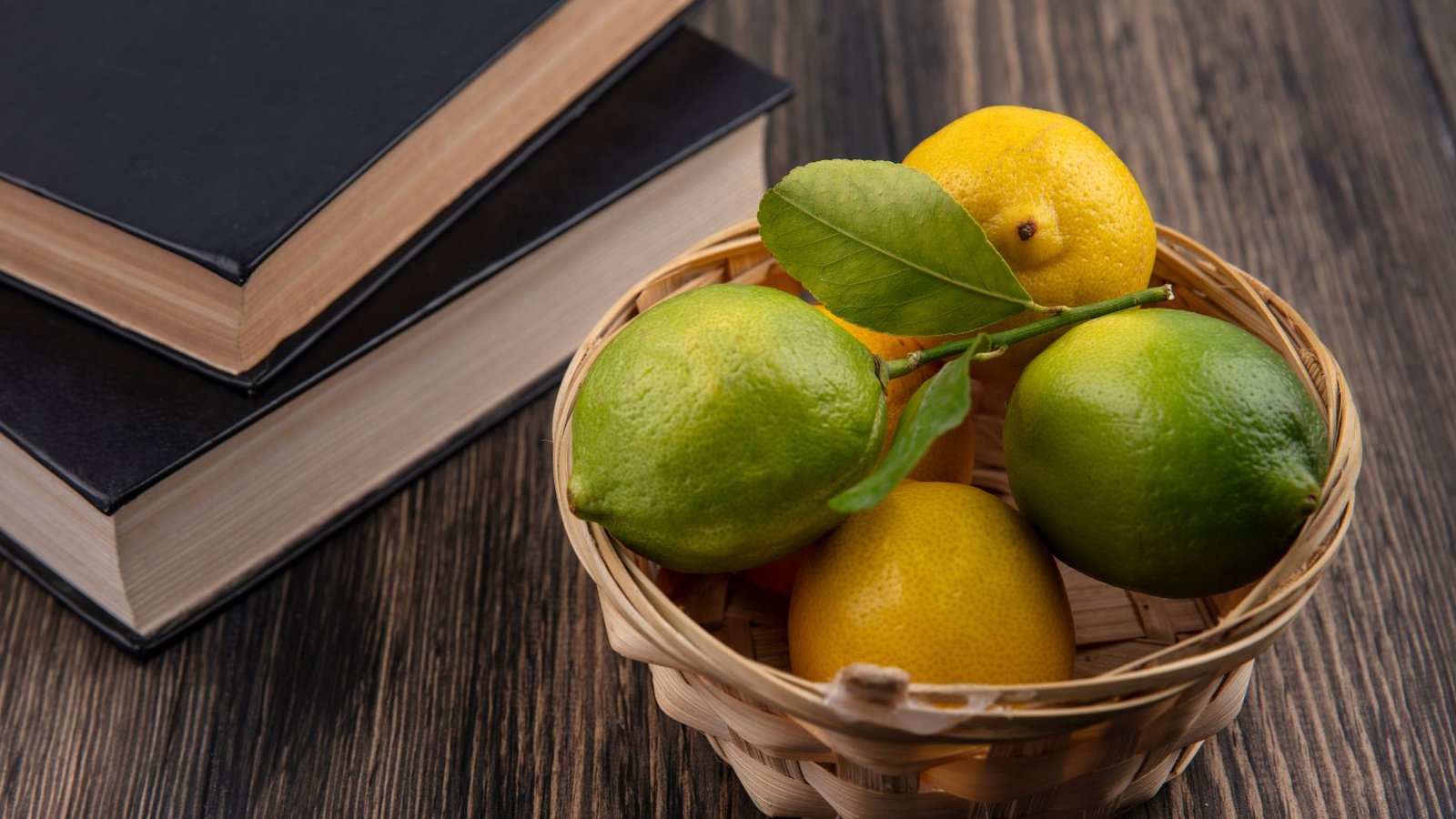
The dwarf Meyer lemon tree is a delightful citrus variety loved by home gardeners for its compact size and sweet, tangy fruit. Perfect for patios or sunny windows, this small yet productive tree brings a burst of fragrance and beauty all year. With the right dwarf Meyer lemon tree care , it can thrive both indoors and outdoors. Many gardeners enjoy growing Meyer lemon trees in pots , making it ideal for small spaces or cooler climates. When provided with proper sunlight, watering, and Meyer lemon tree fertilizer, it rewards you with juicy lemons and glossy leaves, turning any home into a tropical haven of freshness.
Best Varieties: Improved Meyer and Semi-Dwarf Lemon Trees
The Improved Meyer Lemon Tree is the most popular variety available today. It’s disease-resistant and produces sweeter fruit than older cultivars. The semi-dwarf Meyer lemon tree height usually ranges between 6 to 10 feet outdoors but stays much smaller in pots. Its compact nature allows easy management and pruning.
If you live in an apartment or small space, choose a grafted dwarf version. It offers the same juicy fruit but requires less space. Both types adapt well to containers, provided you follow proper container lemon tree care and use well-draining soil with enough sunlight exposure.
How Long Does It Take for a Dwarf Meyer Lemon Tree to Bear Fruit
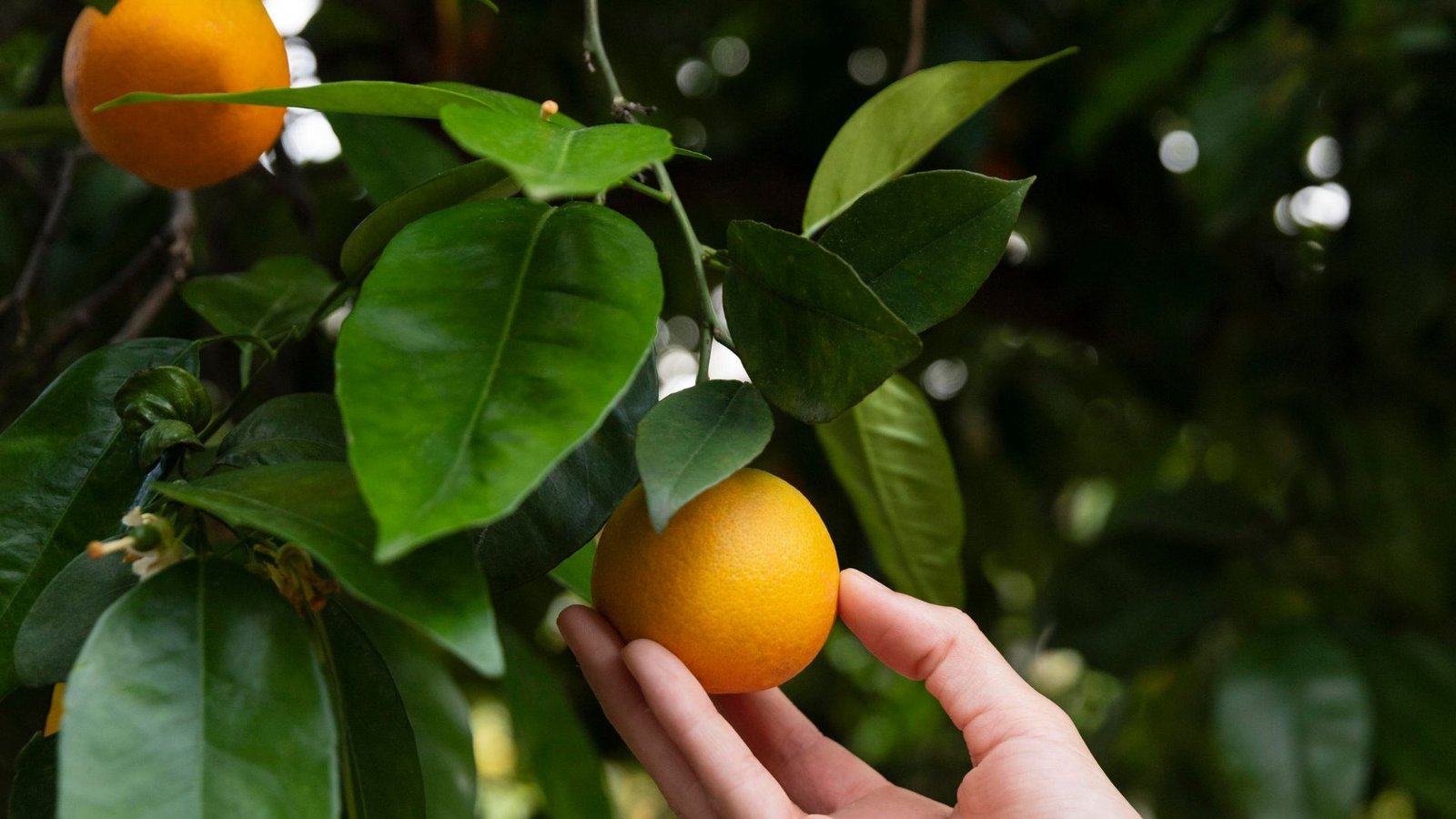
Many gardeners ask, how long does it take for a Meyer lemon tree to bear fruit? The answer depends on whether your plant is grafted or seed-grown. Grafted trees usually produce lemons within 2 to 3 years, while those growing Meyer lemon tree from seed may take 4 to 7 years.
A young tree’s environment matters, too. Warm temperatures, good sunlight, and regular feeding help it bloom faster. The Meyer lemon tree fruiting season typically peaks from late winter to early summer, though indoor trees can produce almost all year with proper lighting and care.
How to Plant and Grow Dwarf Meyer Lemon Trees Indoors or Outdoors
When learning how to grow Meyer lemon tree indoors, remember that light and soil are everything. Choose a sunny spot where your tree receives at least 6 to 8 hours of sunlight daily. If natural light is limited, use a grow light to supplement. Indoors, a south-facing window works best.
Use the **best soil for Meyer lemon tree**—a well-draining mix rich in organic matter. Outdoor planting should happen in slightly acidic soil (pH 5.5 to 6.5). Water deeply when the top inch of soil dries. Over watering leads to root rot and yellowing leaves, while under watering causes fruit drop.
Essential Dwarf Meyer Lemon Tree Care Tips for Healthy Growth
Knowing how to care for a Meyer lemon tree means mastering sunlight, feeding, and watering. These citrus trees love warmth, consistent moisture, and nutrient-rich soil. Keep the soil evenly moist but never soggy. Use a drip system or deep watering every 7–10 days depending on your region.
Feed monthly during the growing season using Meyer lemon tree fertilizer with a balanced N P K ratio. For example, a 6-6-6 mix works well. Always water before and after applying fertilizer to protect the roots. This routine ensures healthy foliage and continuous fruiting.
How to Prune and Shape Dwarf Meyer Lemon Trees for Better Yield
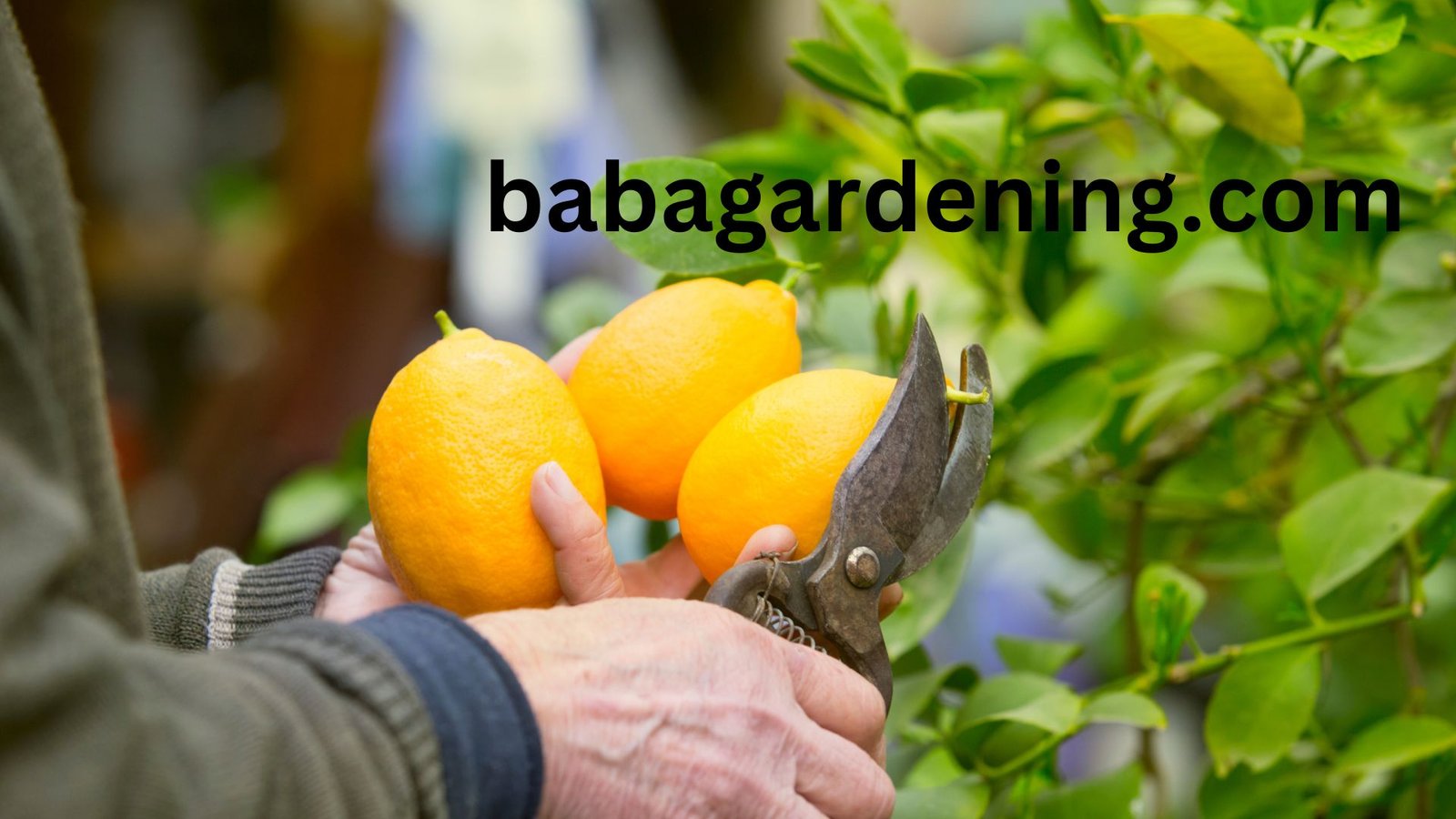
If you wonder when to prune a Meyer lemon tree , the best time is early spring before new growth begins. Pruning removes dead or weak branches and improves airflow. The **Meyer lemon tree pruning guide** recommends cutting at a 45-degree angle just above a bud to promote strong growth.
Proper pruning shapes your tree for better sunlight exposure and fruiting. Learning **how to prune a Meyer lemon tree for fruiting** will keep it compact and healthy. Avoid pruning during winter dormancy or when the tree is in full bloom to prevent stress.
Pollination, Flowering, and Fruit Production in Meyer Lemon Trees
The Meyer lemon tree yield depends on successful pollination. While these trees are self-pollinating, indoor trees may need help. You can hand-pollinate by transferring pollen between flowers with a soft brush—an easy answer to how to pollinate a Meyer lemon tree indoors
Flowers appear several times a year, and with the right care, you can enjoy fruit almost year-round. The blossoms are highly fragrant, attracting pollinators outdoors. Indoor gardeners can mimic nature by providing airflow or gentle vibration to stimulate pollen transfer.
Pests, Diseases, and Common Challenges of Dwarf Meyer Lemon Trees
Common issues include Meyer lemon tree pests and diseases like aphids, scale, spider mites, and root rot. You can prevent them by regularly inspecting the leaves and stems. Spraying neem oil or insecticidal soap helps control infestations naturally.
If you notice yellow leaves, it may raise the question, why are my Meyer lemon tree leaves yellow? The causes include nutrient deficiency, poor drainage, or over watering. Adjust fertilizer and watering habits, and ensure your tree receives enough sunlight. Keeping the soil balanced will restore the tree’s vibrant green color.
Overwintering and Indoor Care: Keep Your Lemon Tree Through the Winter
Those living in cold states often ask can Meyer lemon trees grow indoors during winter. Yes, they can, but you’ll need to understand **how to overwinter a potted Meyer lemon tree** properly. Bring your tree indoors before temperatures drop below 40°F.
During **Meyer lemon tree winter care**, maintain warmth between 60–70°F and add humidity with a small humidifier. Limit watering during dormancy but never let the soil dry out completely. Regular misting also prevents dry leaf tips and encourages healthy winter growth.
Propagating Dwarf Meyer Lemon Trees from Cuttings or Seeds
If you want new plants, try **how to grow a Meyer lemon tree from cutting**. Take a 6-inch stem from a healthy branch, remove the lower leaves, and plant it in moist soil mixed with per lite. Keep it warm and slightly humid until roots form.
While **growing Meyer lemon tree from seed** is possible, the process takes much longer and may not produce true-to-type fruit. Grafted or cutting-grown trees remain the best option for consistent quality and faster harvests.
Troubleshooting Growth Problems and Maintenance Tips
Caring for a **Meyer lemon tree in pots** sometimes brings challenges like leaf curl or poor fruiting. Always check the **Meyer lemon tree watering schedule**, as too much or too little water can cause stress. If problems persist, examine your fertilizer routine and pot size.
The **best pot size for a dwarf Meyer lemon tree** is at least 15–20 inches wide to allow root expansion. Re pot every 2–3 years to refresh the soil. Learn **how to re pot a Meyer lemon tree** by loosening the roots gently and trimming any that are circling the container.
Conclusion: Enjoy Year-Round Citrus Harvest at Home
The **difference between Meyer lemon and regular lemon** is clear—Meyer lemons are sweeter, juicier, and perfect for home growers. With proper care, you can grow this citrus beauty indoors or outdoors and enjoy fresh fruit all year.
By understanding **how to maintain a healthy Meyer lemon tree**, you’ll enjoy fragrant blossoms, glossy foliage, and golden fruit every season. Whether you’re new to gardening or an experienced grower, this compact citrus tree is the perfect blend of beauty and flavor for your home.