

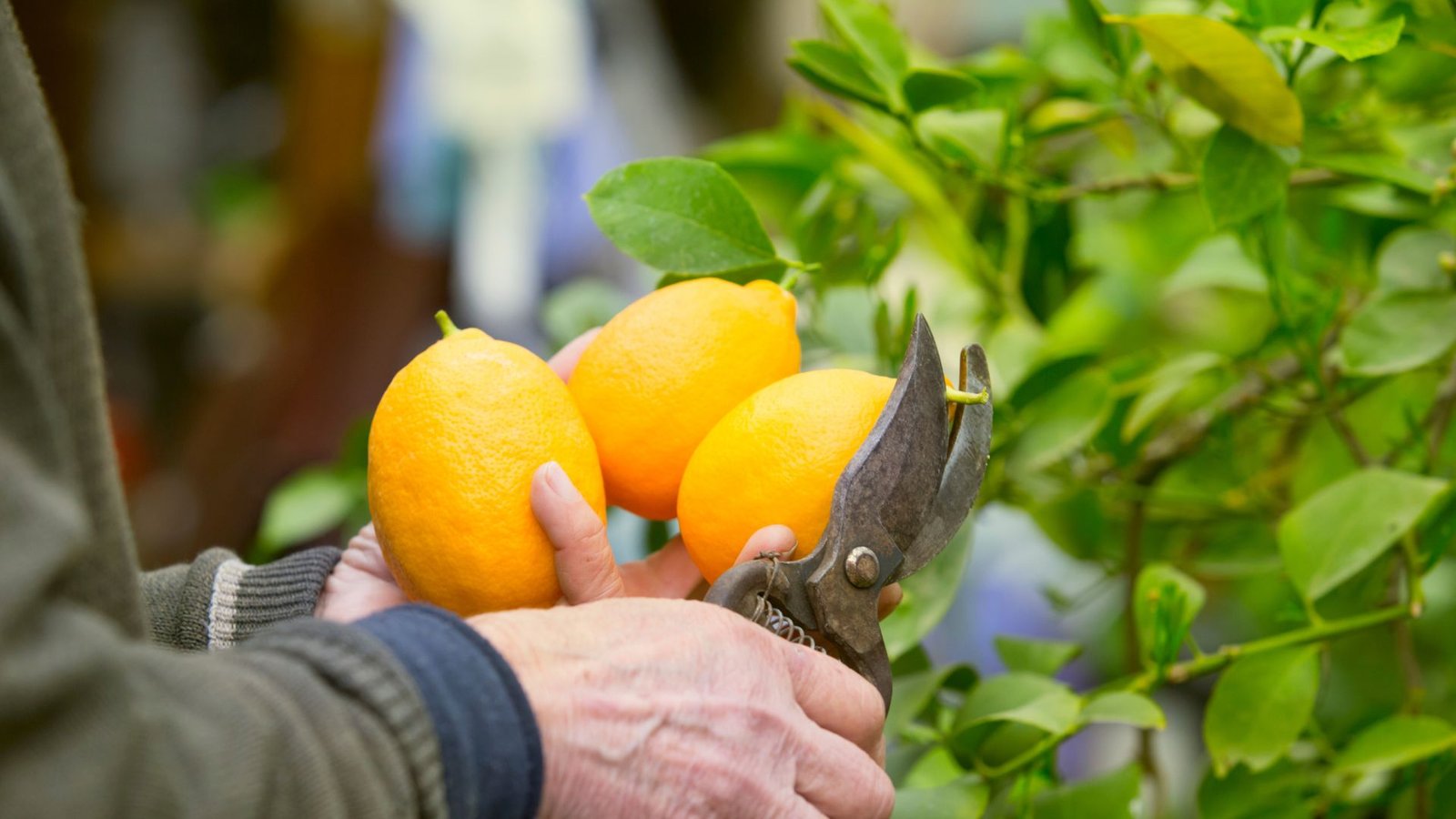
Pruning is one of the most important steps in caring for a lemon tree. Knowing how to prune a lemon tree properly helps it grow stronger, produce more fruit, and stay disease-free. When branches become dense or overgrown, trimming allows sunlight and fresh air to reach every part of the plant. This process supports better blooming and prevents pest problems.
Whether you’re learning **how to trim a lemon tree**, following a detailed **lemon tree pruning guide**, or mastering **pruning citrus trees**, each careful cut shapes the tree for long-term health. With the right timing, tools, and techniques, your citrus will thrive beautifully year after year.
Why Pruning a Lemon Tree Is Essential for Growth and Fruit Production
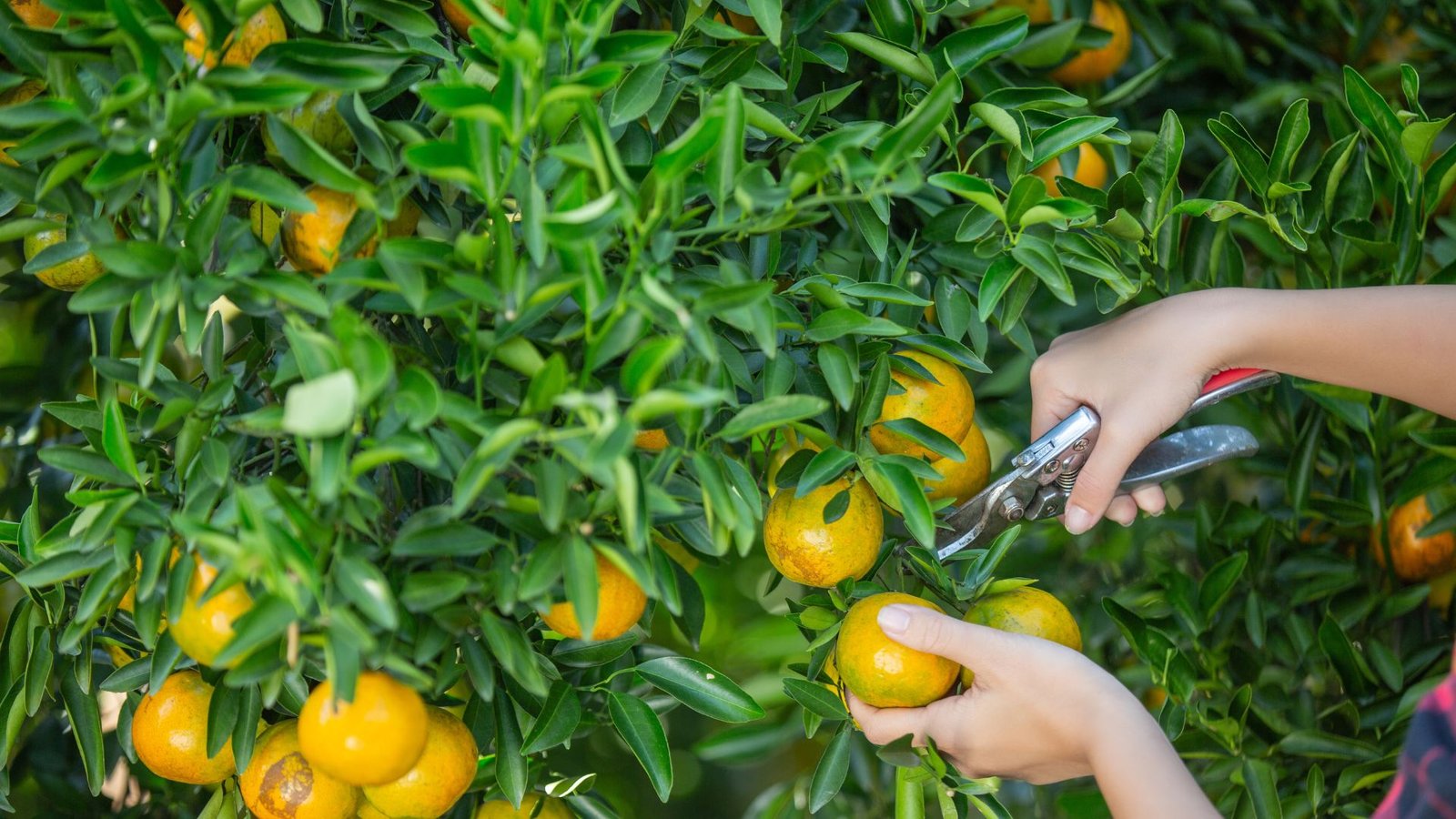
Many people don’t realize why lemon trees need pruning until they notice fewer flowers or smaller fruits. Pruning helps control the tree’s energy, sending more nutrients toward fruiting instead of unnecessary branches. When you remove dead or overcrowded wood, the tree breathes better, letting sunlight reach hidden parts. More sunlight means more blooms and a sweeter harvest.
A balanced canopy also reduces pest hiding spots and prevents fungal infections. According to experts in **pruning citrus trees**, annual trimming boosts air circulation, making your lemon tree less prone to diseases like sooty mold and leaf spot. Consistent pruning equals healthier lemons and a longer-living tree.
When Is the Best Time to Prune a Lemon Tree
Timing matters in every **pruning schedule for lemon trees**. The **best time to prune lemon trees** is right after harvest or in late winter before new growth begins. During this period, your tree rests, and pruning wounds heal faster. Avoid pruning during cold weather or heavy flowering, as it can shock the plant or reduce fruiting potential.
Here’s a quick table showing pruning timing by region in the USA:
| **Region** | **Best Time to Prune** |
| Southern States (FL, TX) | Late winter to early spring |
| West Coast (CA, AZ) | After fruit harvest |
| Northern Zones | After last frost, before new growth |
Pruning too late can interfere with the **citrus pruning season**, while early cuts expose the tree to frost damage. Always observe the weather before pruning.
Tools and Safety Tips for Pruning Lemon Trees
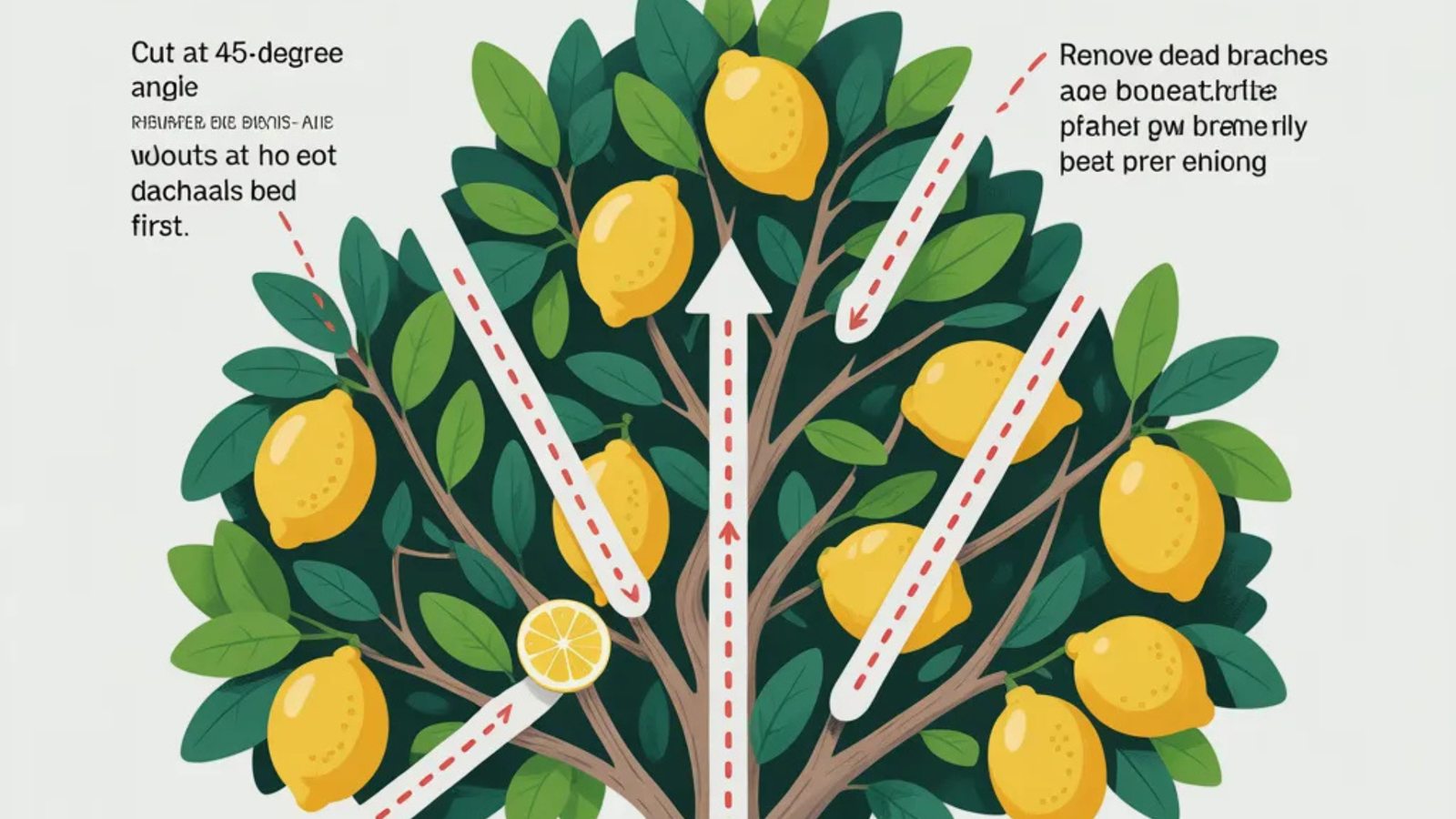
Using the **best tools for trimming lemon trees safely** ensures clean cuts and prevents infections. Choose sharp hand pruners for small branches, toppers for medium ones, and pruning saws for thick wood. Always disinfect your tools with rubbing alcohol before and after cutting to stop disease spread.
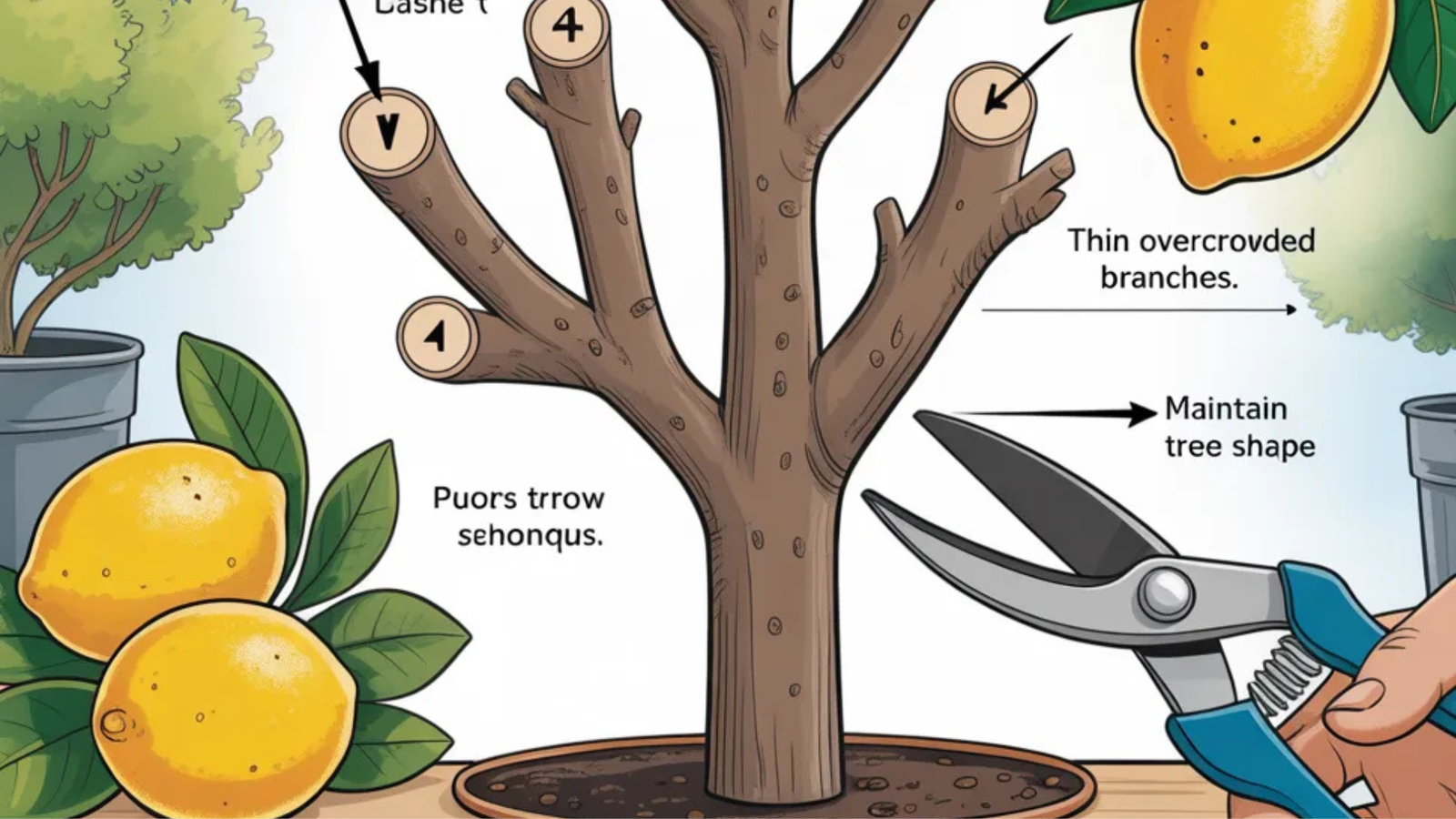
Lemon trees often have thorns and sap that can irritate skin, so wear gloves and protective eye wear. One of the most **safe pruning methods for citrus trees** is to make clean, angled cuts close to the branch collar. This helps the wound heal naturally and keeps insects away. Never tear or twist a branch—it damages the bark and invites rot.
How to Identify and Remove Dead or Unhealthy Wood
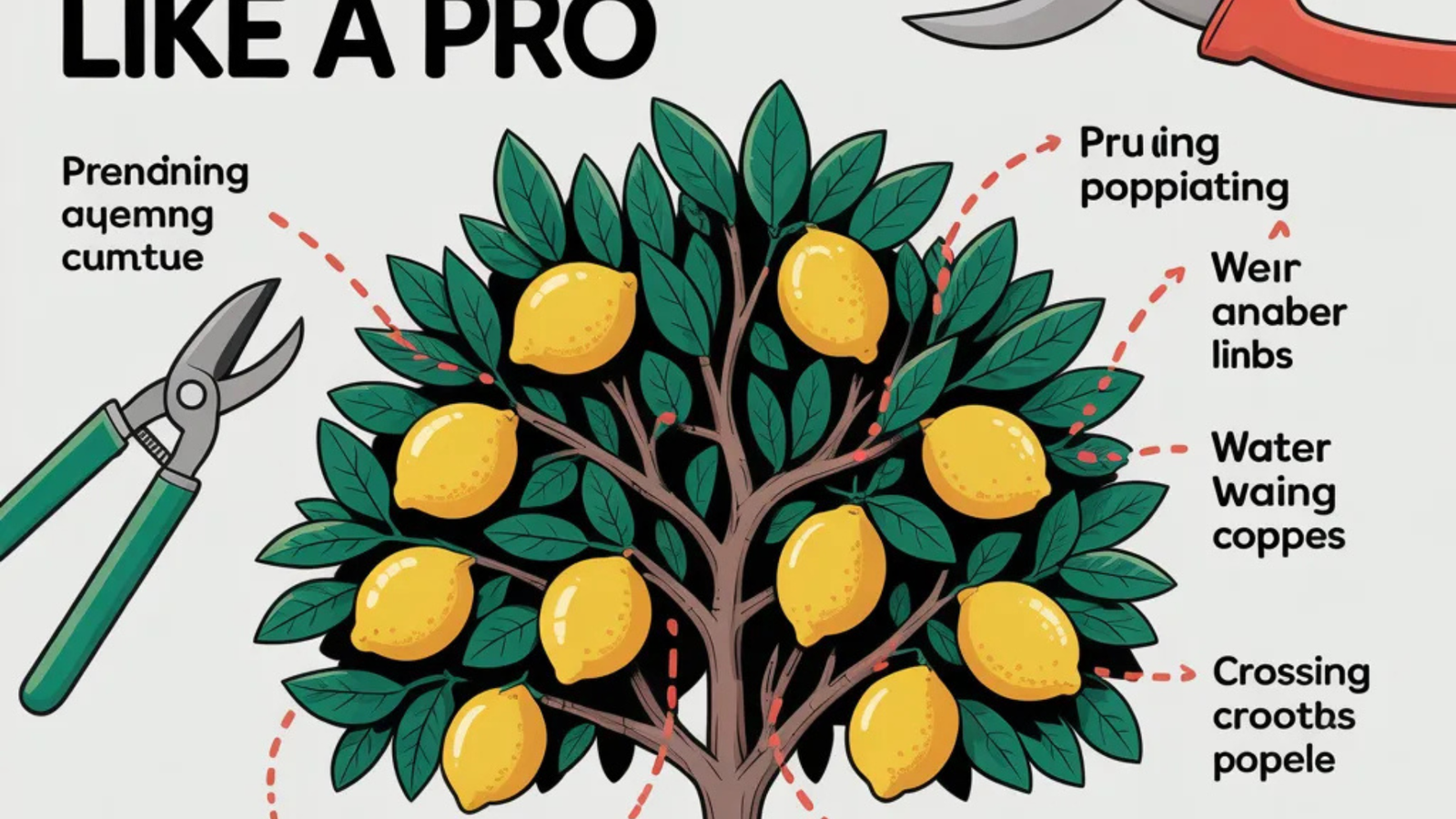
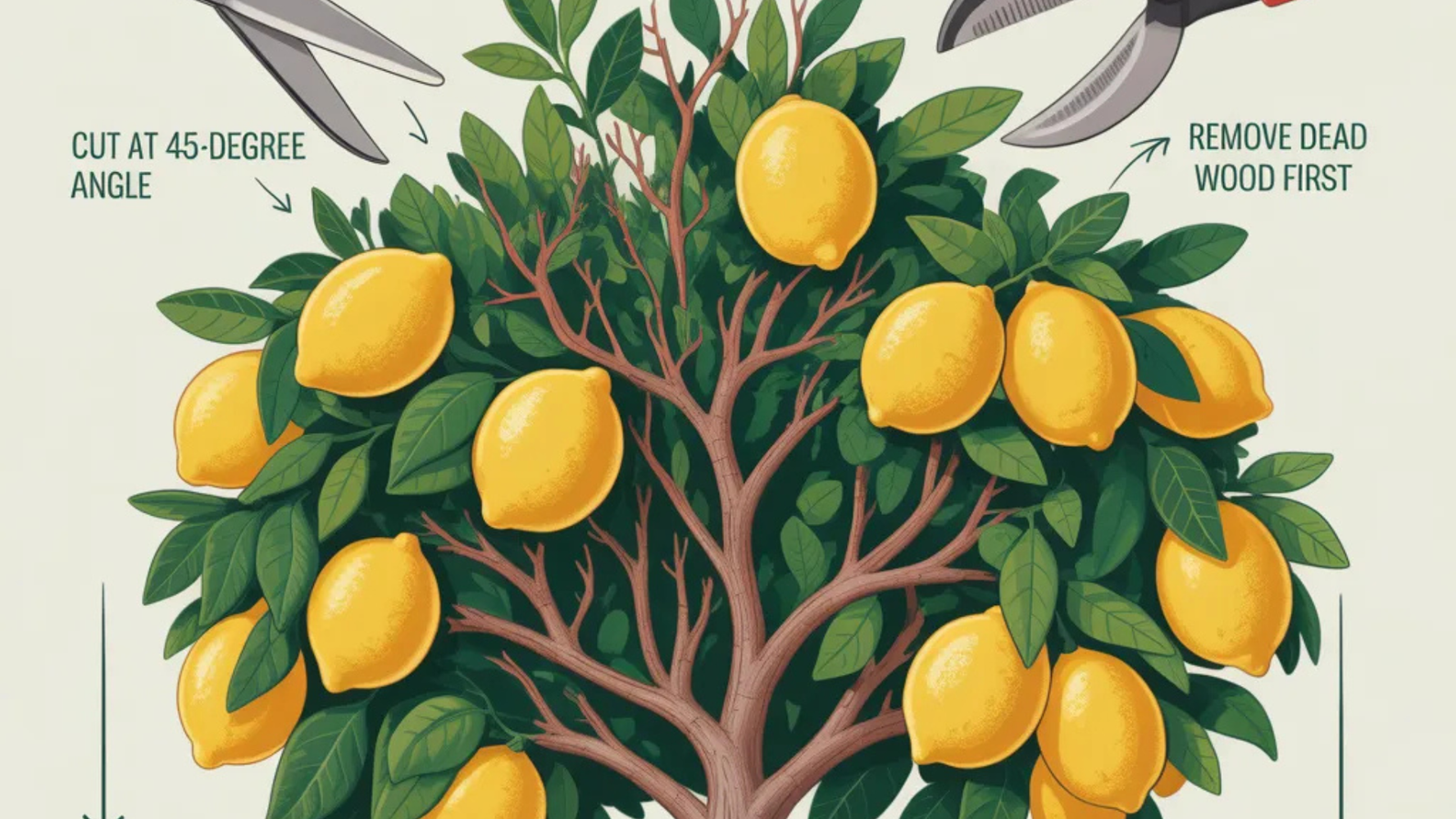
The first rule in the **lemon tree pruning guide** is **removing dead wood from lemon trees**. Dead branches look dry, dark, or brittle, while healthy wood appears green when scratched. Unhealthy branches drain the tree’s energy and block airflow. Removing them early improves **lemon tree fruit production** and prevents disease from spreading.
Always cut back to the living tissue at the branch collar. Avoid leaving stubs, as they invite decay. If unsure, use the **3-cut pruning method** to safely remove large limbs without splitting the trunk. Regular removal of diseased wood supports better overall **lemon tree maintenance** and higher yields.
Step-by-Step Guide: How to Prune a Lemon Tree Correctly
Every gardener should know the **step-by-step lemon tree pruning instructions** to shape a strong tree. Start by removing all dead, diseased, or crossing branches. Then, thin out the canopy to let more light reach the inner leaves. Trim upward-growing water sprouts that steal nutrients.
For larger limbs, apply the **3-cut pruning method**—make a small undercut, a second cut farther out to remove weight, and a final smooth cut near the collar. This prevents tearing and helps the tree heal faster. These are the **best pruning techniques for citrus trees** to encourage new growth and strong structure for heavy fruiting seasons ahead.
How to Prune a Young Lemon Tree vs. a Mature One
Understanding the **difference between pruning young and mature lemon trees** is vital. Young trees need light pruning to shape their structure and form strong branches. Focus on removing competing leaders and low side shoots while keeping the canopy balanced.
Mature lemon trees, however, require maintenance pruning to remove deadwood and thin the crown. Overgrown trees benefit from gradual trimming over several seasons instead of one heavy prune. This approach maintains fruiting cycles and prevents stress. Whether you’re **pruning a Meyer lemon tree** or an old backyard citrus, gentle shaping ensures long-term health and productivity.
Pruning Lemon Trees in Pots or Containers
Growing citrus indoors? **Pruning indoor lemon trees** or **how to prune potted lemon trees** follows the same basics with a few adjustments. Container trees grow faster but can become root-bound and leggy. Trim back branches lightly after each fruiting cycle to maintain size and encourage airflow.
For **how to prune a dwarf lemon tree**, focus on symmetry and keeping branches evenly spaced. Remove any weak or crossing limbs to reduce crowding. Remember, a compact, open shape ensures even sunlight, which is key for both beauty and fruit yield.
How to Prevent Sunburn and Stress After Pruning
After pruning, your tree’s bark can be sensitive to direct sunlight. Understanding **how to treat lemon tree sunburn** is crucial. Paint newly exposed areas with a 50% diluted white latex paint to prevent sun scald. Avoid oil-based paints, as they can damage bark tissue.
Caring for lemon trees after pruning involves more than sunlight protection. Water deeply to help recovery and apply a balanced fertilizer high in potassium and nitrogen. These nutrients restore strength and stimulate new growth. Proper aftercare prevents **protecting lemon trees after heavy pruning** from stress and disease, keeping them lush and productive.
Common Mistakes to Avoid When Pruning Lemon Trees
Many lemon trees struggle not because of neglect, but because of incorrect pruning practices. One of the most damaging mistakes is removing too much growth during a single pruning session. Heavy cutting forces the tree to spend extra energy on recovery instead of producing healthy foliage, flowers, and fruit. Gradual pruning is always more beneficial than drastic trimming. Another common error is pruning at an unsuitable time of year.
Cutting branches during active flowering or fruit development can reduce future harvests and weaken the tree’s natural growth cycle. Proper timing helps maintain both tree health and productivity. Poor cutting techniques can also create long-term problems. Leaving large stubs behind or making cuts too close to the main trunk may slow healing and expose the tree to pests and disease.
Using clean, sharp, and disinfected tools is equally important, as contaminated equipment can transfer infections between plants. By avoiding these mistakes and practicing careful, selective pruning, gardeners can encourage stronger growth, healthier branches, and a more productive lemon tree for years to come.
Conclusion: Shape, Strength, and Sweet Rewards
Successfully protecting geraniums during winter becomes much simpler when you understand the correct overwintering techniques and choose suitable storage methods. With proper care, your plants can survive cold temperatures and remain healthy even in challenging climates, making it easier for them to transition smoothly back into growth when warmer weather returns. Following reliable winter care practices ensures your geraniums stay strong and well-prepared for the next blooming season.
By applying effective protection strategies during the colder months, you help maintain overall plant health and encourage better performance year after year. This rest period is especially important, as it allows geraniums to regain strength and produce more vigorous growth and fuller blooms in the future. With consistent seasonal care, gardeners across different regions can enjoy long-lasting plants that improve in quality and beauty each year.
FAQ’s
Q 1 : When should lemon trees be pruned?
The best time to prune lemon trees is in late winter or early spring, just before new growth begins.
Q 2 ; Can I cut the top off my lemon tree?
Yes, you can trim the top to control height, but do it carefully to maintain shape and avoid sunburn.
Q 3 How do I prune my Meyer lemon tree?
Prune your Meyer lemon tree after harvest by removing dead branches and shaping it to allow better airflow and sunlight.
Q 4 ; Where to cut when pruning?
Always cut just above a leaf node or branch collar to promote healthy regrowth and prevent disease.
Q 5 ; What are the three rules of pruning?
Remove dead or diseased wood first, thin crowded branches second, and shape the tree last for balance and strength.