
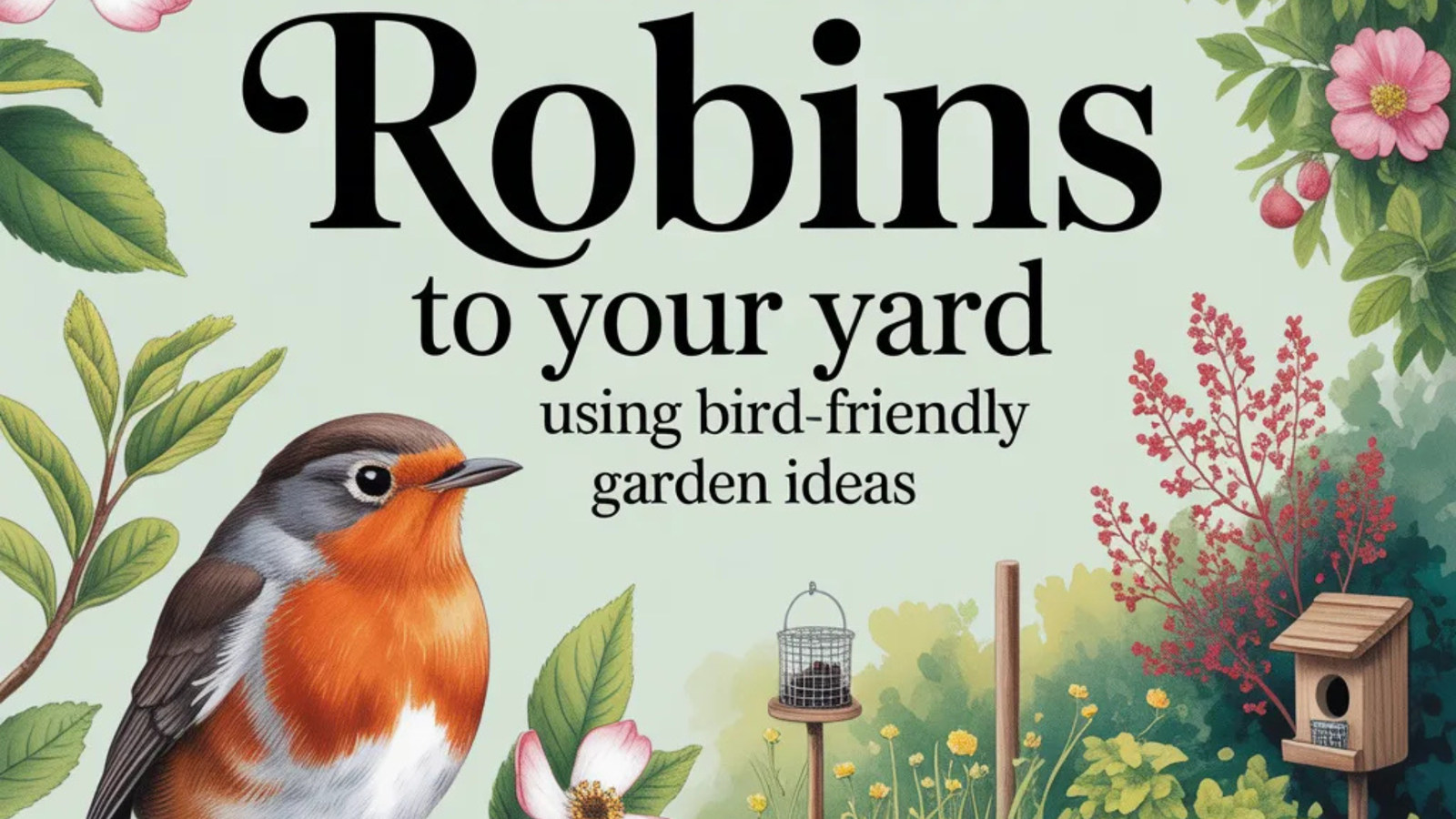
Understanding Robin Behavior and Habitat
Robins live close to the ground. They hop, pause, and listen for movement in soil. This is part of Robin behavior. They rely on sight and sound to hunt worms and insects. They rarely sit still for long.
Their Robin habitat preferences include gardens, hedges, and woodland edges. In the USA, the American robin adapts easily. In the UK, the British robin stays territorial all year. Both share strong instincts for safe feeding and nesting spaces.
1. Why Robins Visit Certain Yards
Robins choose yards that feel safe and rich in food. They avoid loud, open, or chemical-heavy spaces. A quiet lawn with insects becomes a perfect stop.
If you offer steady food and water, robins return daily. They remember good feeding spots. This is why Attract robins to your garden strategies work best with consistency and patience.
2.Where Robins Live Throughout the Year
Robins move with seasons. In warm months, they spread across forests and suburbs. In winter, they move closer to human homes. This is part of Robin migration patterns.
The European robin behaves differently. It stays more territorial. The American robin travels in large flocks. Both adjust to weather and food supply, not strict migration routes.
What Do Robins Eat? Creating the Perfect Feeding Station
1.Natural Foods Robins Love
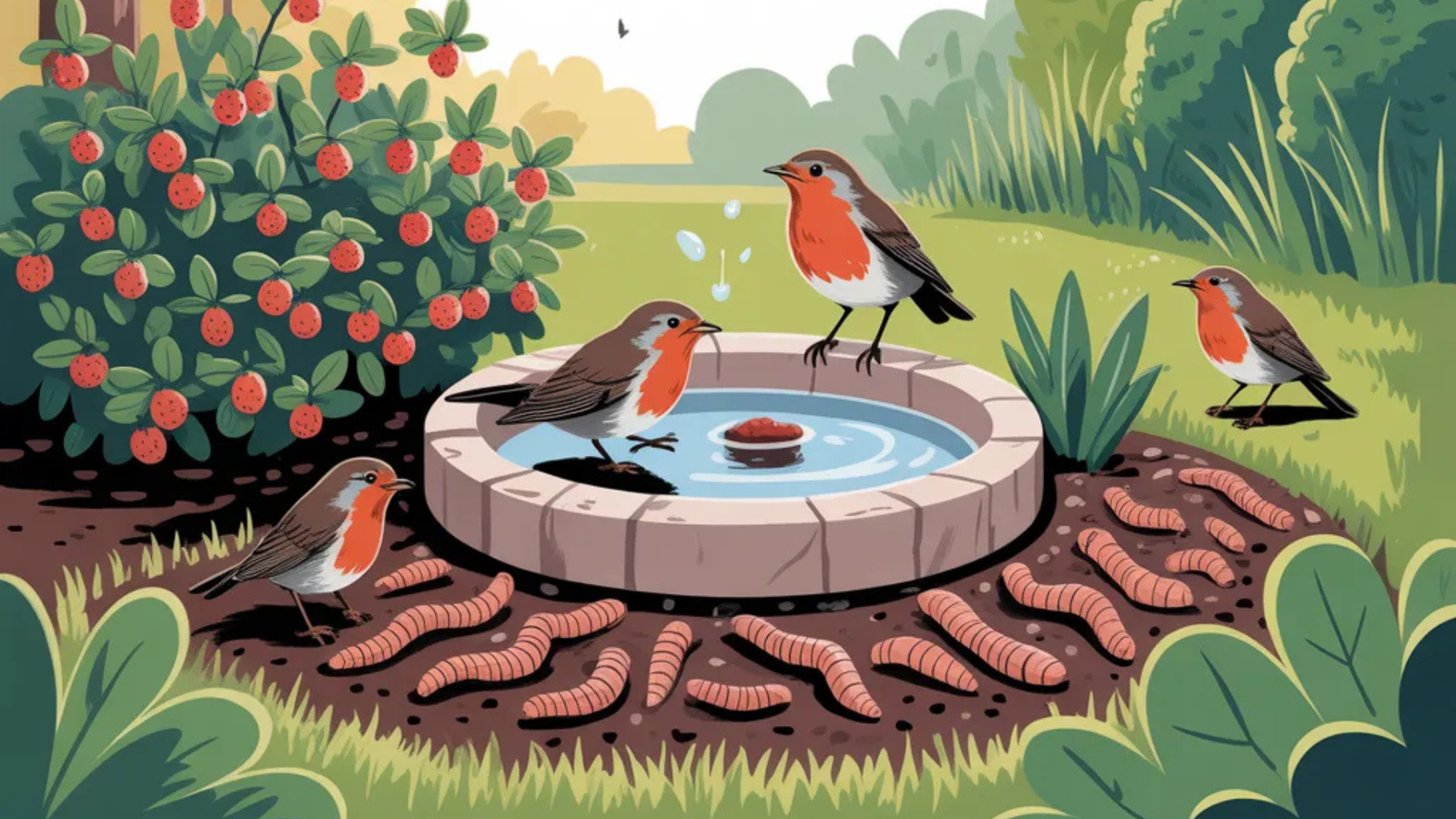
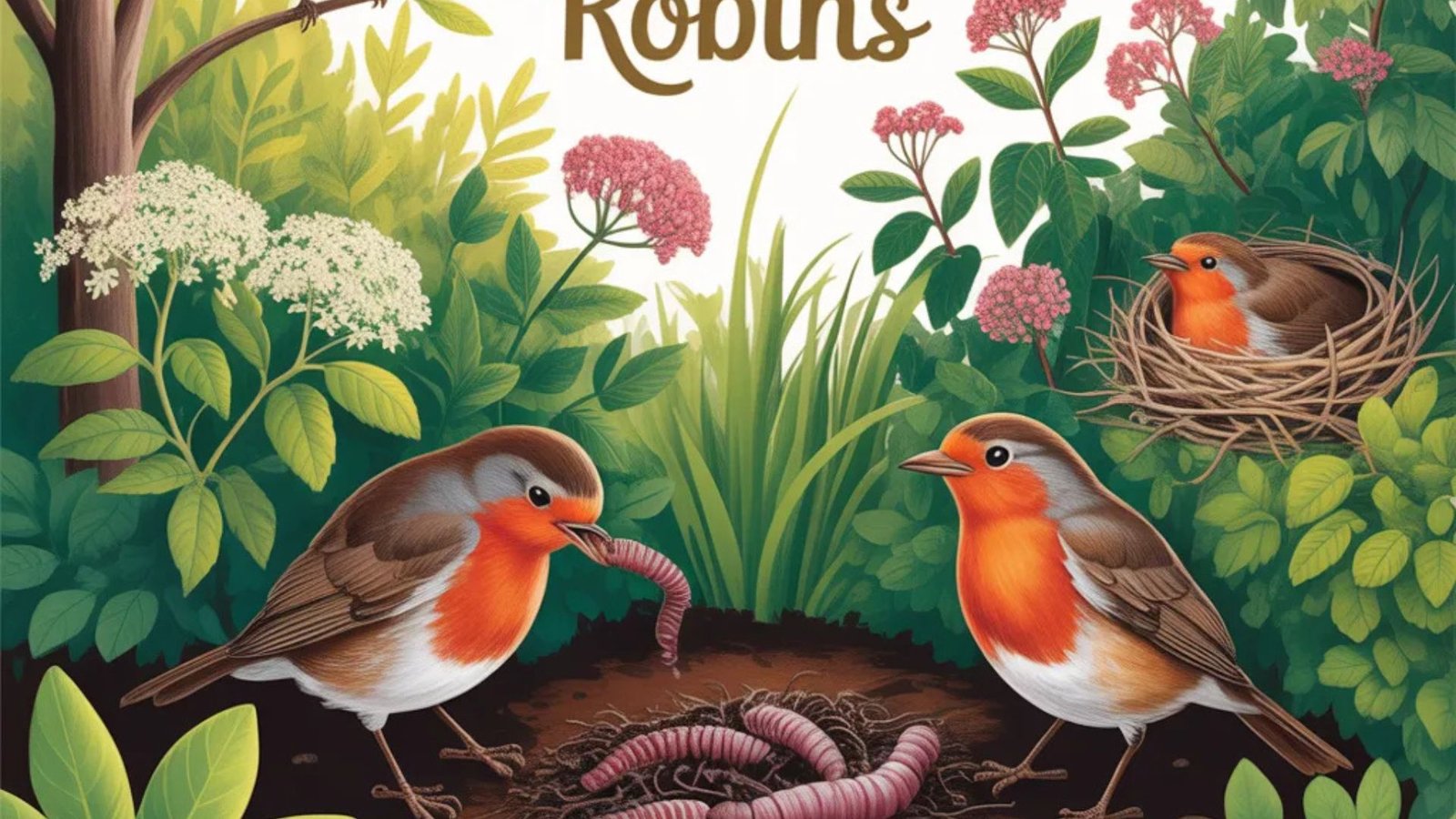
Robins naturally eat insects found in soil. Earthworms are their favorite meal. They also eat beetles, caterpillars, and small fruits.
In your yard, you support Robin food sources by keeping soil moist and healthy. Avoid over-cleaning your garden. A slightly “wild” yard works better for robins.
2.Best Supplemental Foods for Robins
You can help robins during harsh weather. Soft foods work best. They digest quickly and give energy.
Here is a simple comparison:
| Food Type | Benefit | Season |
|---|---|---|
| Mealworms | High protein boost | Winter & Spring |
| Sunflower hearts | Easy energy source | Year-round |
| Soft berries | Natural sugar | Fall |
These choices improve Wild bird feeding success and support Winter garden birds survival.
3.Bird Tables vs Traditional Feeders
Robins rarely use hanging feeders. They prefer open spaces. That is why Bird tables for robins work better.
A flat table lets them land easily. They feel safe watching their surroundings. Traditional feeders suit finches more, not robins.
Plant Native Trees and Shrubs to Attract Robins
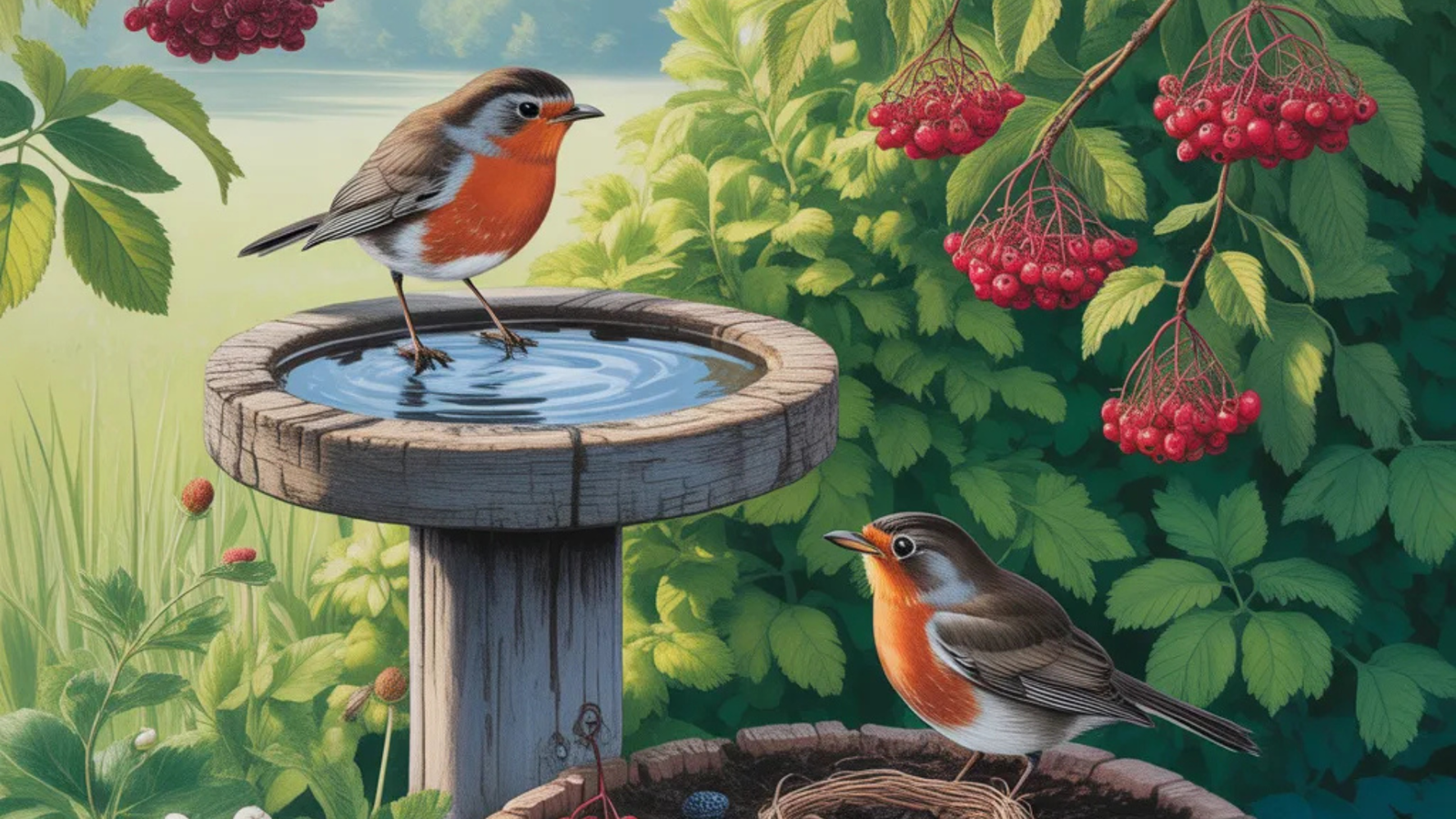
Native plants create natural food and shelter. They attract insects and berries. This supports long-term robin visits.
This method strengthens Creating a bird-friendly garden naturally. You don’t need artificial feeding all year when plants do the work.
1.Best Berry-Producing Plants
Robins love fruit-bearing shrubs. These plants act like natural feeders.
Examples include holly, serviceberry, and dogwood. These plants support Robin diet in fall and winter months.
A small berry patch can attract robins daily without extra effort.
2.Creating Natural Shelter and Protection
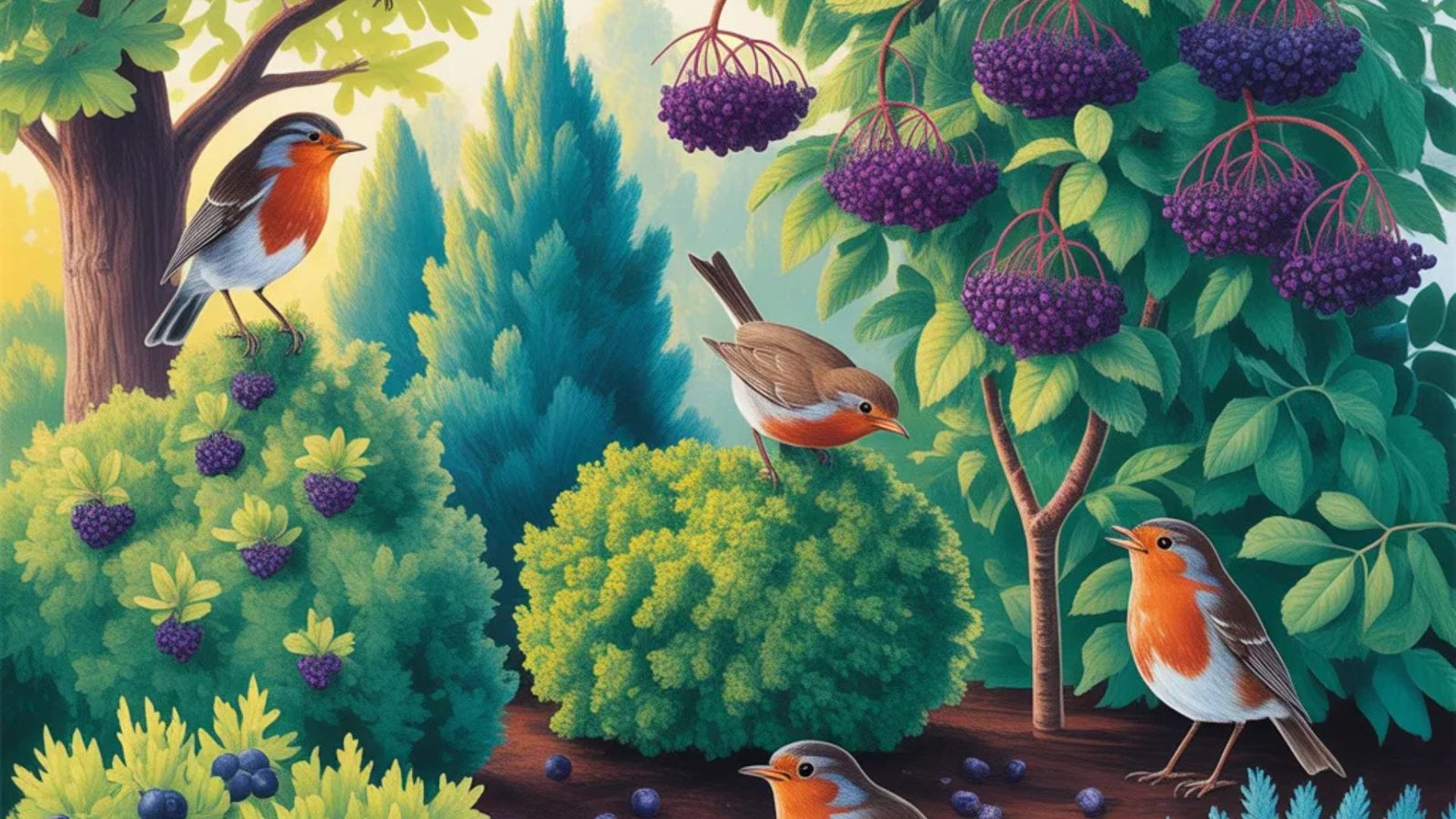
Robins avoid exposed spaces. They need shrubs, hedges, and trees for cover. This reduces stress and increases visits.
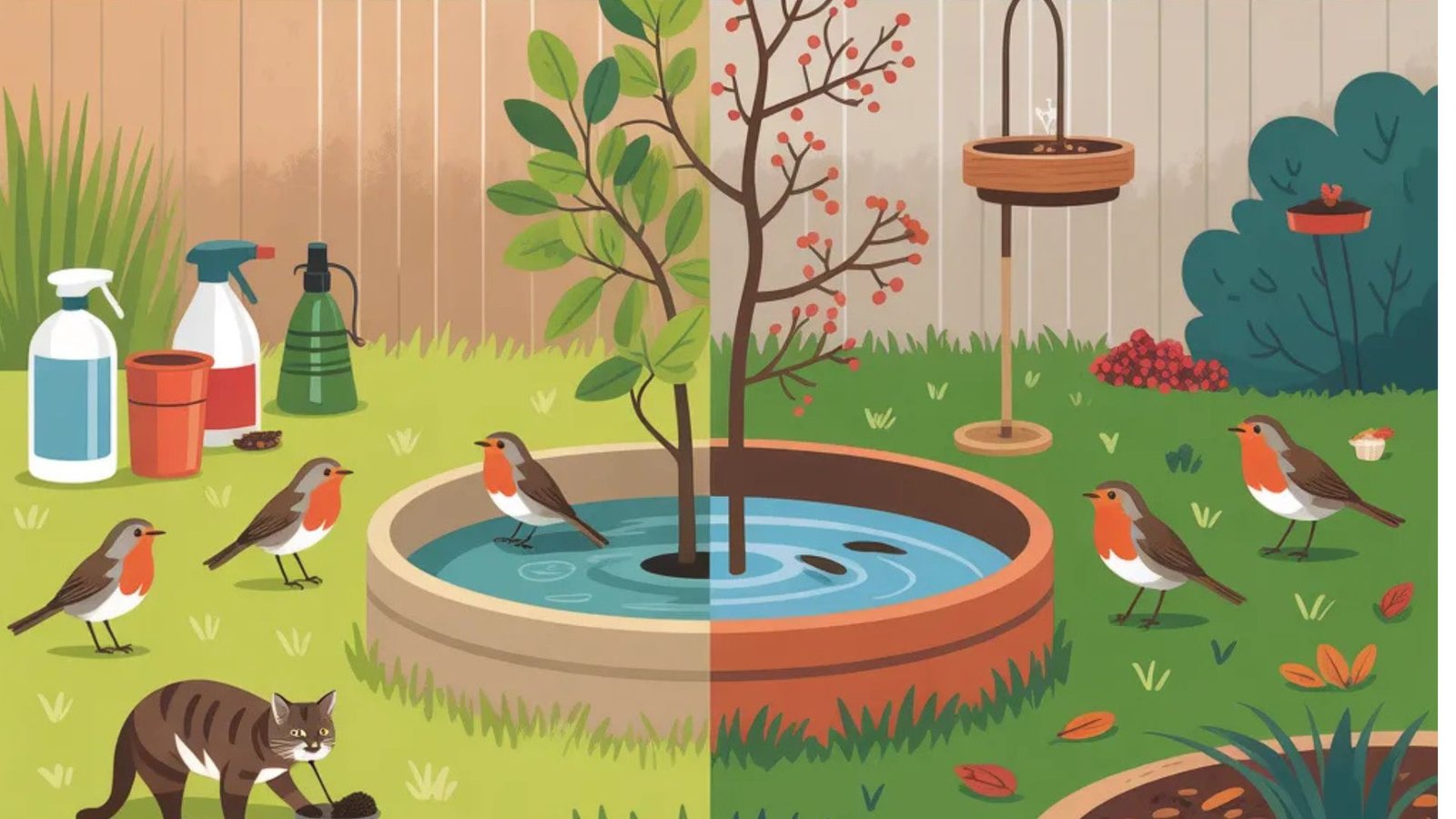
Dense planting improves Robin survival in winter. It also protects them from predators like cats and hawks.
Keep Your Lawn Bird-Friendly
Robins depend on lawns for worms. A healthy lawn supports insect life. That means more food for birds.
Avoid heavy chemicals. Let grass grow naturally in patches. This helps improve Robin feeding habits in your yard.
1.Encouraging Earthworms and Insects
Healthy soil creates food. Worms and insects form the base of a robin’s diet. Moist soil attracts them naturally.
Reduce pesticide use. This protects Garden wildlife and improves soil health over time.
2.Safe Lawn Care Practices for Robins
Simple lawn care changes help robins survive. Avoid chemicals and over-fertilizing. Keep soil slightly moist.
These small steps support Robin conservation tips without extra cost or effort.
Robins Need a Reliable Water Source
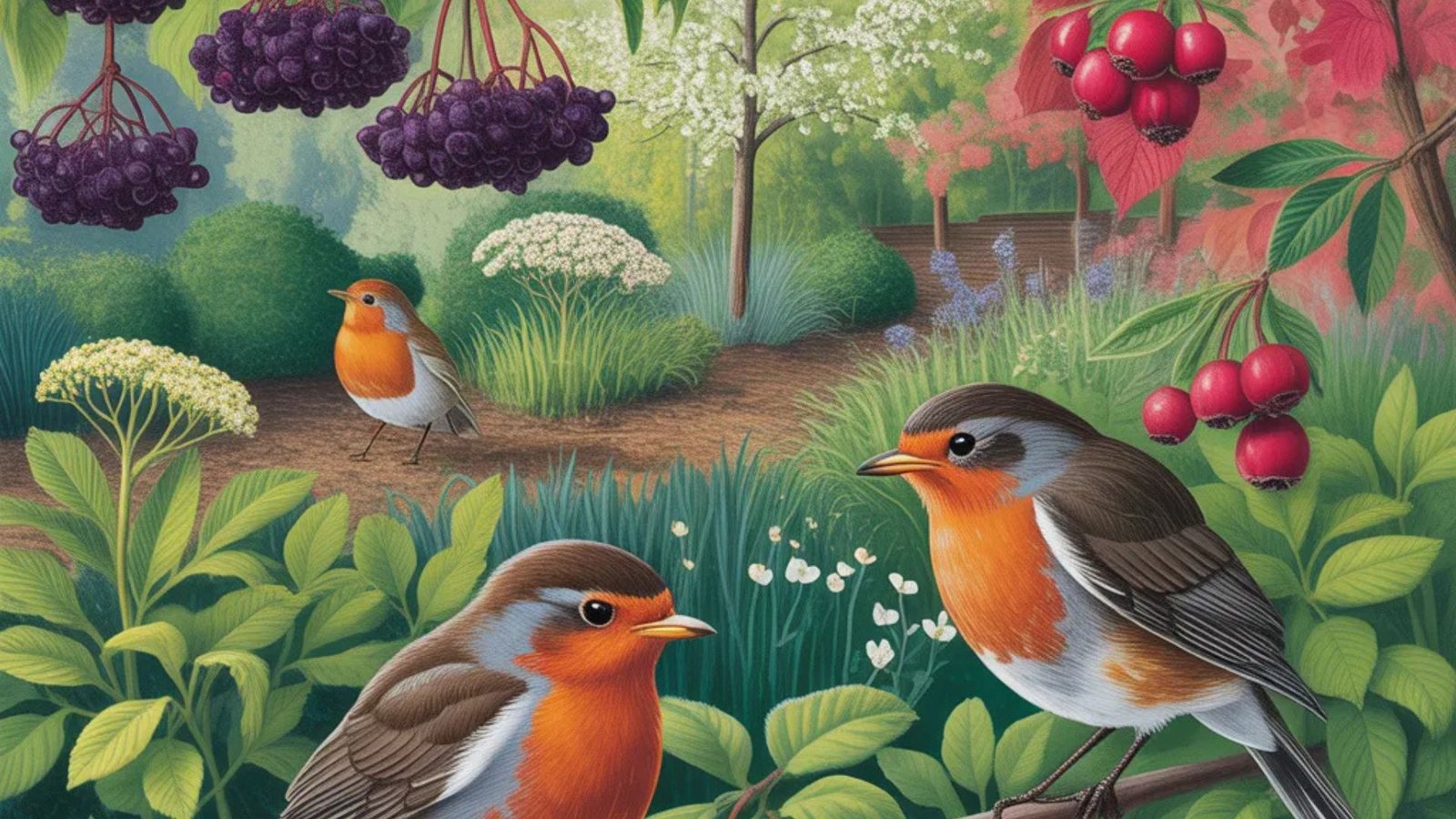
Water attracts birds faster than food sometimes. Robins drink and bathe daily. A shallow dish works well.
Clean water improves hygiene and supports Supporting robins in winter when natural water freezes.
1.Bird Baths and Water Features
A simple bird bath can transform your yard. Keep it shallow and safe.
Moving water attracts more attention. Even a dripping bottle setup works. This increases visits from Common garden birds too.
2.Winter Water Tips for Robins
Winter is harsh for birds. Ice blocks water sources. Break ice daily or use heated baths if possible.
This supports How to help robins survive winter in cold regions.
Create Safe Spaces for Nesting
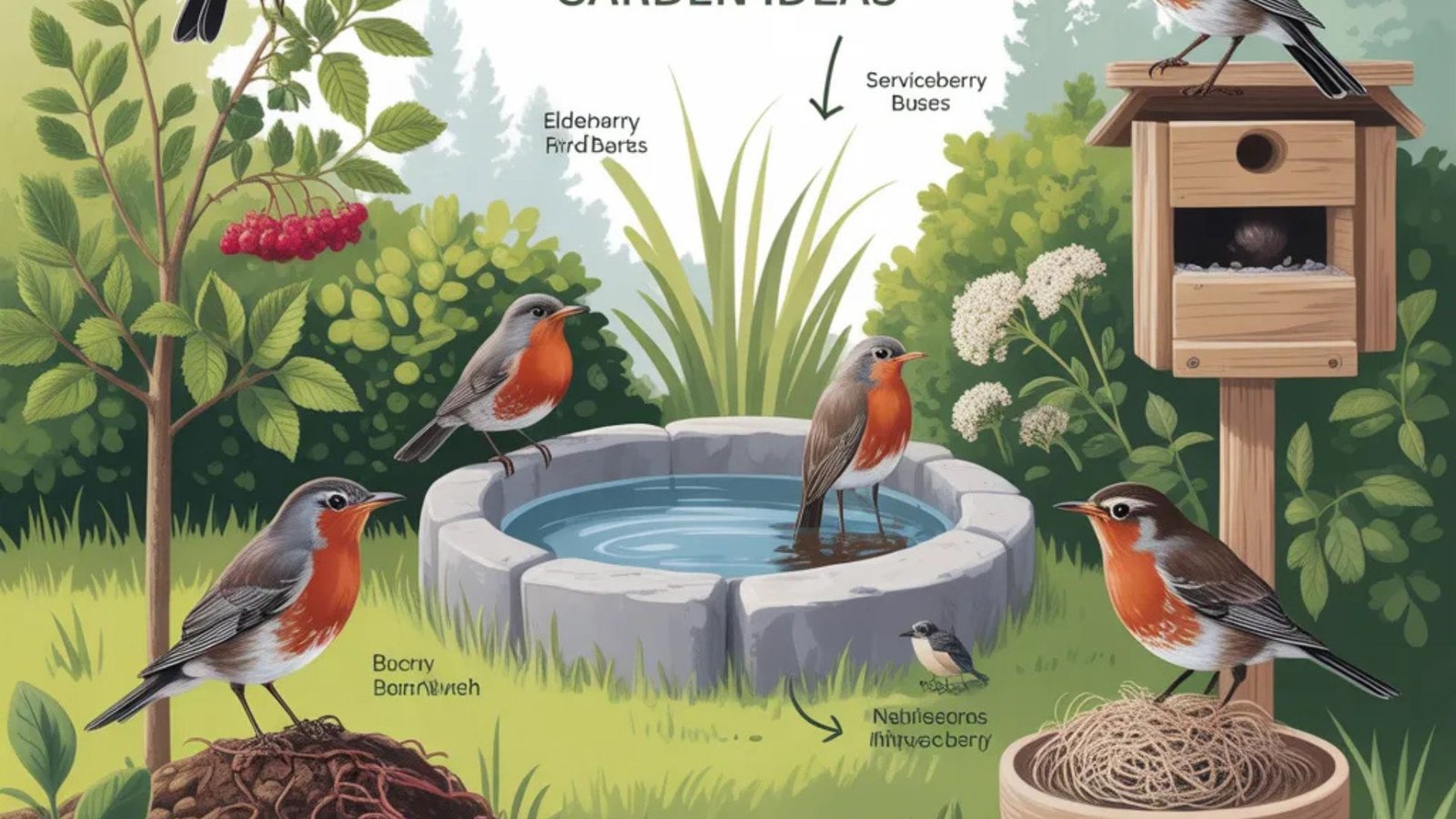
Robins look for hidden nesting spots. Dense shrubs and wall corners work best.
These spaces support Robin nesting habits and improve breeding success.
.Where Robins Prefer to Nest
Robins often choose low, sheltered areas. They avoid high branches.
This explains Where do robins build nests behavior in gardens and forests.
. Nest Boxes and Natural Nesting Sites
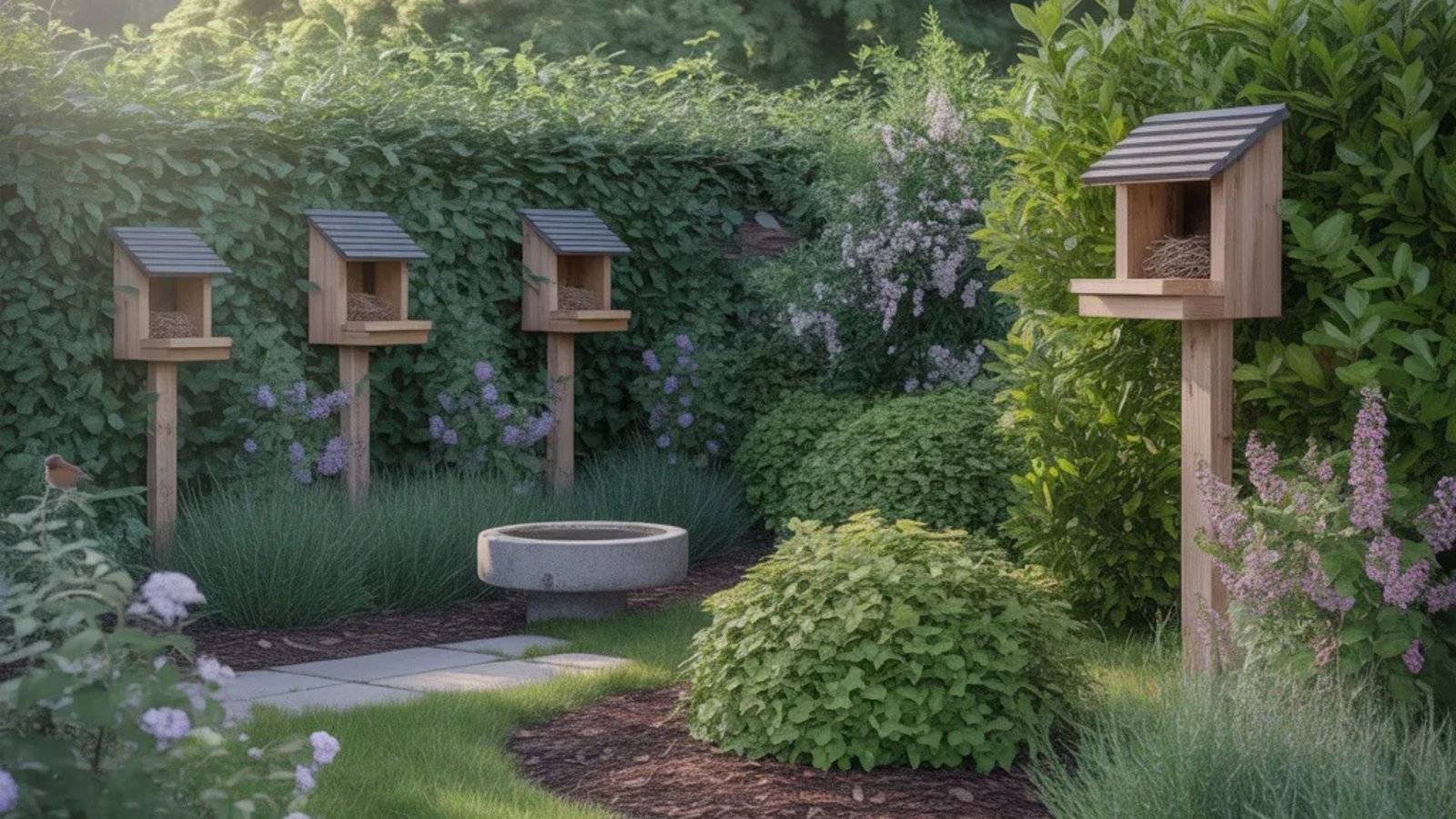
Robins like open-fronted designs. A wooden box with a wide opening works well.
An Open-fronted nest box for robins should stay hidden behind plants.
.Common Nesting Mistakes to Avoid
Avoid placing nests in open sunlight. Also avoid heavy traffic areas.
Disturbance leads to nest abandonment. Keep distance during breeding season.
Do Robins Migrate and Stay Year-Round?
Robins do not fully migrate. They shift based on food and weather. Some stay year-round.
This answers Do robins migrate with flexibility. Movement depends on survival needs.
1.Migration Patterns of American Robins
American robins often form flocks in winter. They travel short distances in search of food.
This behavior supports survival during cold months.
2.Seasonal Changes in Robin Behavior
In summer, robins defend territory. In winter, they gather in groups.
These changes reflect shifting food supply.
Common Robin Behaviors Explained
Robins are alert and active birds. They hop, pause, and tilt their heads to listen.
This is part of Robin territorial behavior and hunting style.
1.Do Robins Sing Through Winter?
Yes, robins sing in winter too. Their song marks territory, not just mating.
This makes them Garden birds that sing in winter, even in cold weather.
2.Why Robins Defend Their Territory
Robins protect food-rich areas. They chase away other birds.
This behavior ensures survival and stable feeding zones.
3.How Long Do Robins Live?
Robins have short lives. Many live only a few years.
This explains How long do robins live in nature. Survival depends on food and safety.
Seasonal Tips to Attract More Robins to Your Yard
Change your garden with seasons. Add food in winter. Add shelter in summer.
This keeps robins returning year-round.
.Spring and Summer Attraction Tips
In warm months, focus on nesting areas. Avoid disturbance.
Fresh insects help feed chicks.
.Fall and Winter Feeding Strategies
Offer high-energy foods like mealworms and seeds. Keep water available.
This supports Supporting robins in winter effectively.
Common Mistakes That Keep Robins Away
Many people over-clean gardens. Others use too many chemicals.
These actions reduce insects and push robins away.
1.Overusing Chemicals
Pesticides kill food sources. This directly impacts robin survival.
Avoid them for better results.
2.Poor Feeder Placement
Poor feeder placement can stop robins from visiting your yard even if food is available. When learning how to attract robins to your yard, remember they avoid hanging feeders because they feel unsafe there.
Robins prefer open, flat ground where they can easily spot worms and insects. This makes feeding more natural and comfortable for them.
To improve results in how to attract robins to your yard, always place food on bird tables or flat trays instead of hanging setups
3.Lack of Shelter and Water
Without cover and water, robins leave quickly.
Balance is key.
Benefits of Having Robins in Your Yard
Robins help control insects naturally. They also improve garden life balance.
They support Garden wildlife and ecosystem health.
1.Natural Pest Control
2.Increased Backyard Biodiversity
When robins settle into your yard, they don’t come alone. Their activity signals that your garden is safe, rich in food, and well balanced. Soon, other common garden birds like sparrows, finches, and chickadees begin to appear too. This creates a natural chain reaction where one species supports another.
As bird variety grows, your yard turns into a living ecosystem. More birds mean better pest control, healthier soil, and improved plant growth. You start noticing fewer insects harming plants because birds help manage them naturally. In the long run, this balance builds a stronger and more resilient outdoor environment that feels alive in every season.
Conclusion
Attracting robins is simple when you focus on nature. If you truly understand how to attract robins to your yard, you only need food, water, and safe shelter. Once you apply how to attract robins to your yard correctly, your space quickly becomes more welcoming for birds. Many gardeners see that how to attract robins to your yard works best when the environment stays chemical-free and natural.
With time, how to attract robins to your yard turns your garden into a living ecosystem full of sound and movement. Robins feel safe, return often, and bring more life with them. Soon, you enjoy not just birds but a balanced outdoor space that grows richer every season.
FAQ’s
1. How to get robins to come to you?
You attract robins by offering mealworms, fresh water, and open lawn areas where they can find worms. Keep your yard quiet and avoid chemicals so natural food sources stay available.
2. What is the best food to attract robins?
The best food includes mealworms, earthworms, sunflower hearts, and soft berries. These foods match their natural Robin diet and give quick energy in all seasons.
3. What is robin’s biggest predator?
Cats are the biggest predators of robins in most gardens. Hawks, snakes, and larger birds also hunt them depending on location.
4. Do robins come back to the same yard every year?
Yes, many robins return to the same yard if they find reliable food, water, and shelter. They remember safe feeding spots and often reuse them yearly.