

Lettuce is a versatile and nutritious vegetable, perfect for both indoor and outdoor gardens. Understanding the 7 lettuce growth stages is essential for ensuring a successful harvest, whether you’re cultivating romaine, buttercrunch, or oakleaf varieties. Each stage, from germination to harvesting, plays a crucial role in the plant’s development, influencing the final taste and texture of your lettuce. Whether you’re planting lettuce seeds directly in the garden or growing them indoors, knowing how to care for your plants at every stage can help prevent issues like bolting and ensure a bountiful crop. In this guide, we’ll explore each stage in detail, offering tips for growing healthy, delicious lettuce.
Stage 1 – Planting Lettuce Seeds
The first step in growing lettuce is planting the seeds. The best time to plant lettuce is typically in the early spring or late summer, depending on the variety. You can also plant lettuce in containers indoors, which allows you to control environmental factors like temperature and light. This makes growing lettuce indoors especially useful for people with limited garden space.
When planting, ensure the soil is loose and well-draining, as lettuce plants prefer this type of soil. The seeds should be scattered evenly across the surface and lightly pressed down. Lettuce seeds do not need to be buried deeply – they just need to make contact with the soil to germinate.
Lettuce Growth Stages 2 – Germination Stage
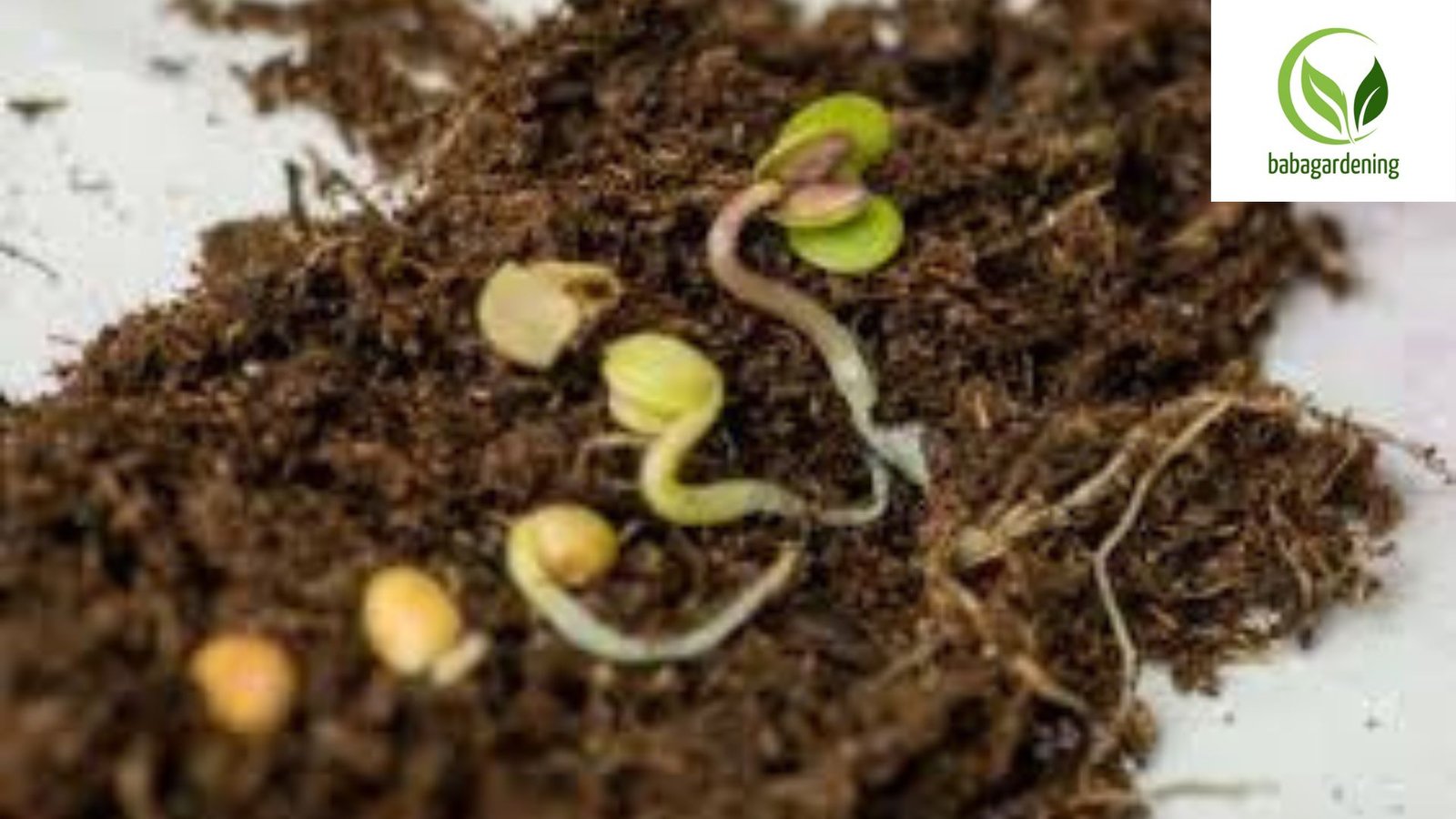
The lettuce germination process begins when the seeds absorb water and begin to sprout. This stage typically lasts 5 to 10 days, depending on the lettuce variety and environmental conditions. During this stage, the seeds need consistent moisture and a temperature of around 60°F to 70°F for optimal growth.
After germination, tiny leaves called cotyledons will appear, signaling that the seeds are on their way to becoming seedlings. If you’re growing lettuce indoors, you can use grow lights to ensure the seedlings receive enough light. Be sure to keep the soil moist but not soggy during this period.
Lettuce Growth Stages 3 – Seedling
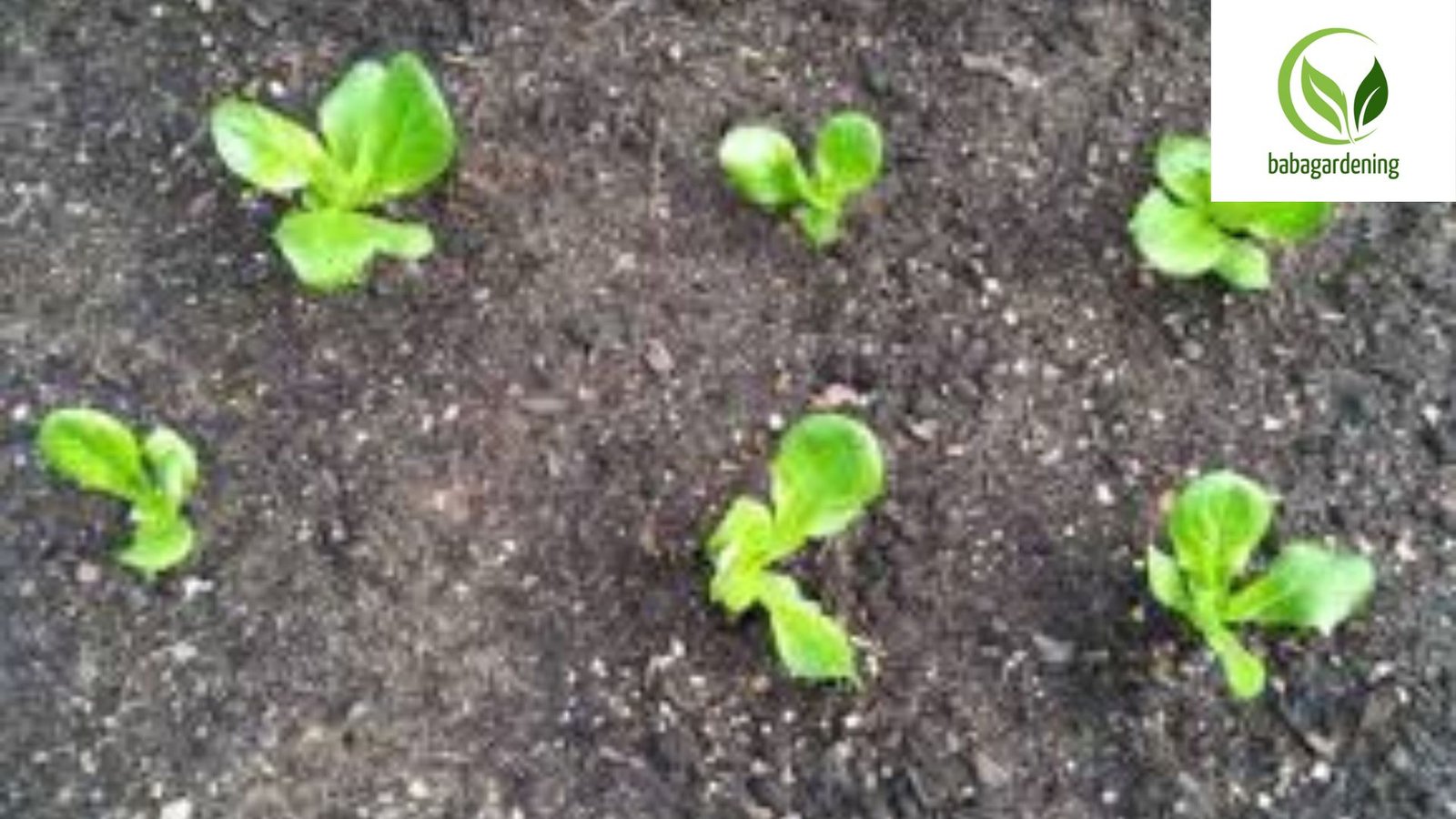
Once the lettuce seedlings appear, they will develop their first set of true leaves. These leaves are different from the cotyledons that initially emerged from the seed. Lettuce seedling care is important at this stage because they need the right amount of light, water, and space to grow strong.
If the seedlings are too crowded, you’ll need to thin them out. This means removing some of the weaker or closer-growing plants to give the remaining seedlings enough space to develop. Proper lettuce seedling thinning ensures that the plants won’t compete for nutrients and light.
Lettuce Growth Stages 4 – Vegetative Growth
The vegetative growth in lettuce begins when the plants start to grow rapidly. During this phase, the lettuce leaves increase in size, and the plant begins to form a rosette shape. Lettuce leaf formation is key during this time, as it signals that the plant is healthy and developing properly.
The ideal lettuce plant temperature needs during vegetative growth are between 60°F and 70°F. Too much heat can cause the plant to bolt (go to seed), so make sure to keep the plant in a cool environment, especially if you are growing lettuce indoors.
Sub-stages of Vegetative Growth
Rosette Stage
The rosette stage is when the lettuce forms a circular pattern of leaves. This is a sign of healthy growth, especially for varieties like oakleaf and buttercrunch.
Cupping Stage
After the rosette, the leaves will start to curl inward, a stage known as cupping. This usually lasts only a few days but is a critical part of the lettuce heading and bolting process.
Heading Stage
During the heading stage, lettuce leaves start to form a dense head. The outer leaves will curl inward, covering the smaller, more delicate inner leaves. This is a sign that the plant is almost ready for harvesting.
Lettuce Growth Stages 5 – Bolting Stage (Premature Flowering)
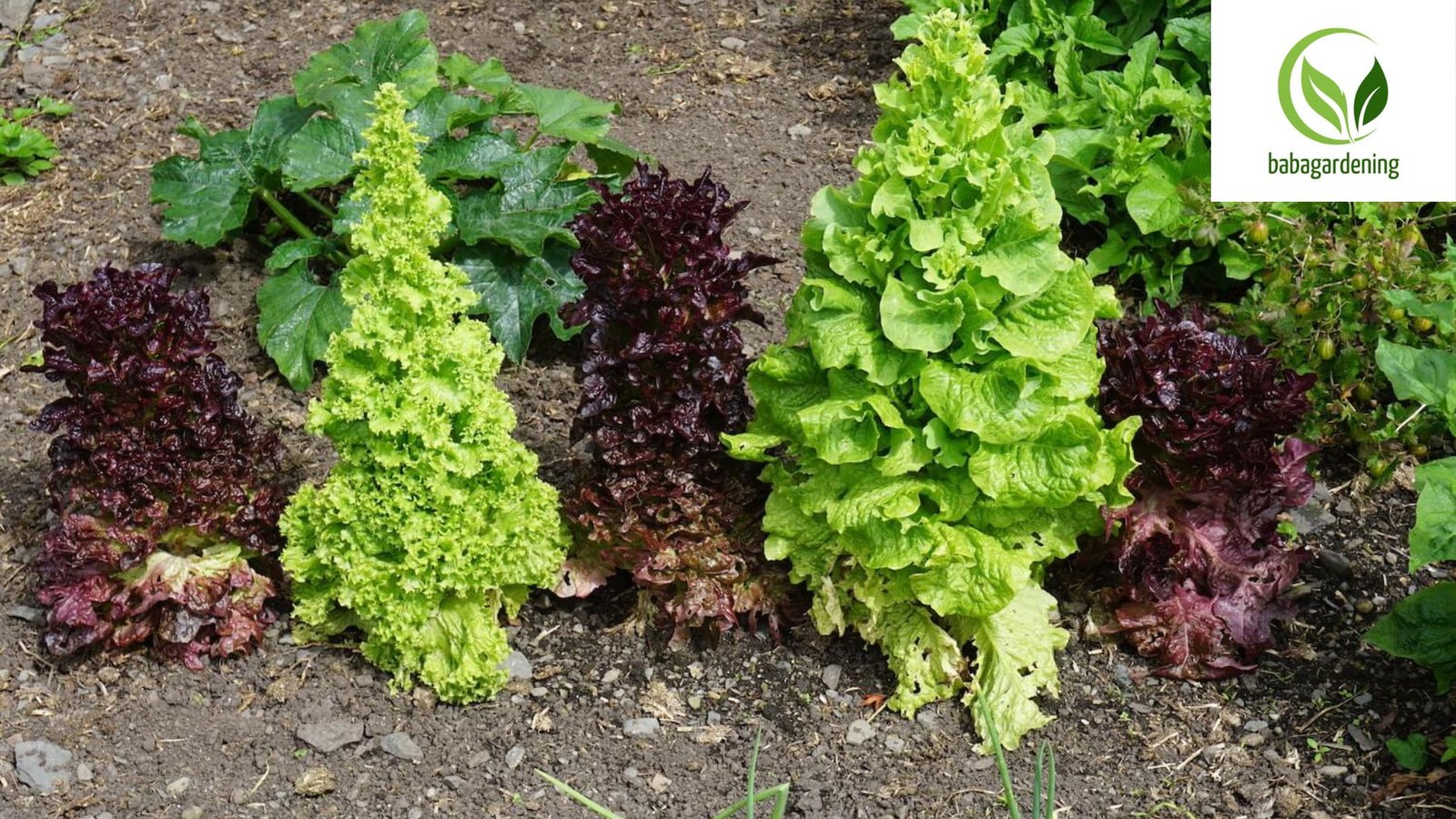
Bolting happens when lettuce plants start to grow a tall, rigid flower stalk. This typically happens when the plant experiences stress from high temperatures or other environmental factors. Bolting in lettuce leads to bitter-tasting leaves and is often undesirable for gardeners who want to harvest the leaves for eating.
To avoid bolting, keep the temperature cool and ensure the plant has enough water. Bolting prevention in lettuce is key if you want a tasty, non-bitter harvest.
Stage 6 – Harvesting Lettuce
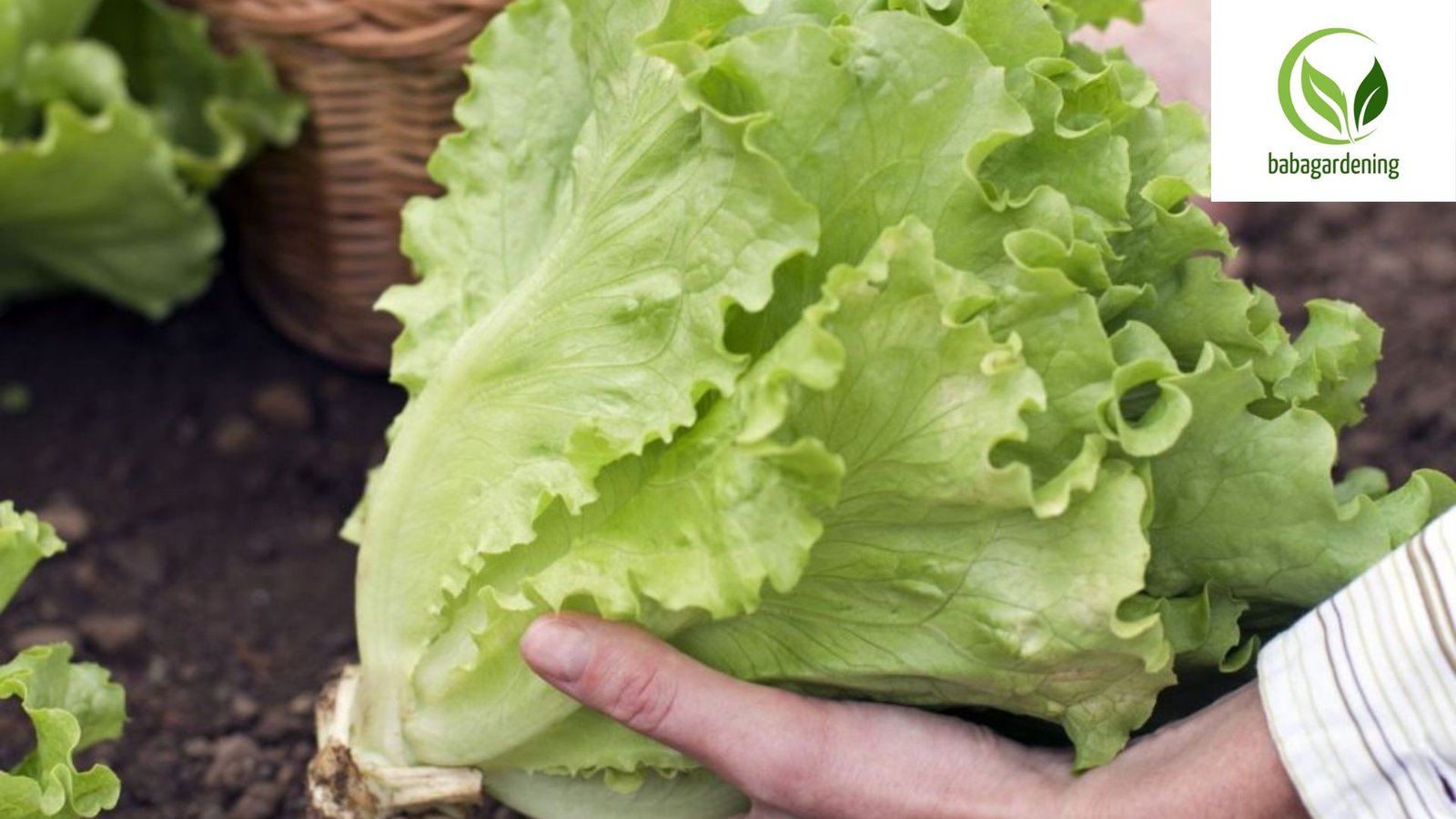
Once the lettuce reaches maturity, it’s time to harvest. The best time to harvest lettuce leaves is early in the morning when they are fresh and crisp. Use a sharp knife or scissors to cut the leaves just above the base of the plant. This method is especially useful for leaf lettuce varieties, as they can regrow after the leaves are cut.
For head lettuce varieties like romaine, harvest when the head feels firm to the touch, indicating that the plant is fully mature. Make sure to store the harvested lettuce properly to maintain its freshness.
Essential Growing Tips for Every Stage
Throughout all lettuce plant stages, providing the right environment is crucial. To promote healthy growth, ensure your lettuce receives the proper light, water, and fertilizer at each stage. Indoor growers can use grow lights to mimic sunlight, while outdoor gardeners need to pay attention to soil for lettuce growth and moisture levels.
Regularly check for pests like aphids and slugs, which can damage your lettuce. Early intervention can save your crop from serious damage.
Lettuce Growth Timeline Recap
The lettuce growth timeline spans from seed to harvest, typically taking between 45 to 70 days, depending on the variety and growing conditions. By understanding the lettuce growth cycle, you can plan your planting and harvest to ensure a steady supply of fresh, homegrown lettuce.
Here’s a quick overview of the 7 lettuce growth stages:
| Stage | Duration | Key Points |
| Planting Lettuce Seeds | 1–2 weeks | Plant in well-drained soil. |
| Germination | 5–10 days | Keep soil moist and warm. |
| Seedling Stage | 1–2 weeks | Provide adequate space. |
| Vegetative Growth | 3–4 weeks | Ensure proper light and water. |
| Bolting | 1–2 weeks | Prevent by keeping cool. |
| Harvesting | 45–70 days | Harvest in the morning. |
Conclusion
FAQ’s
Q1. What are the stages of lettuce growth?
Lettuce grows through 7 stages: planting, germination, seedling, vegetative growth, bolting, heading, and harvesting.
Q2. Do coffee grounds help lettuce grow?
Yes, coffee grounds can improve soil fertility, add nitrogen, and help with water retention, promoting healthy lettuce growth.
Q3. How long does it take for lettuce to fully grow?
Lettuce typically takes 45 to 70 days to fully grow, depending on the variety and growing conditions.
Q4. What cannot be planted next to lettuce?
Avoid planting lettuce next to cabbage, broccoli, or kale, as they can compete for nutrients and attract similar pests.
Q5. What happens if you plant lettuce too close together?
Planting lettuce too close together can lead to crowded conditions, restricting airflow and light, causing weak growth and potential diseases.