
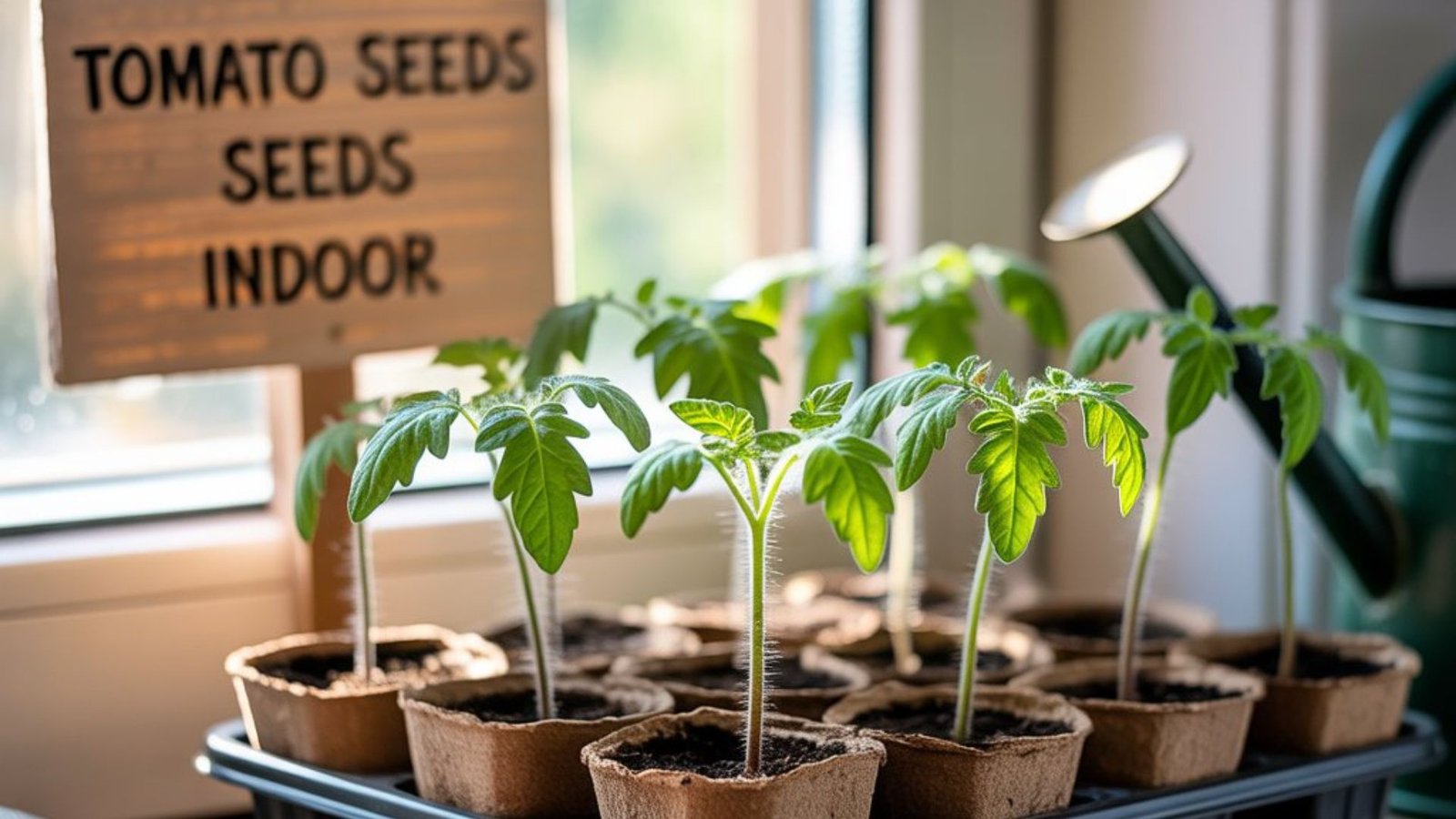
Starting tomato seeds indoor is one of the most effective ways to get a head start on your gardening season. By timing it correctly, you can have fresh, ripe tomatoes earlier in the year. However, knowing when to start tomato seeds indoor is key to ensuring your plants thrive. Tomatoes are a warm-season crop, and growing tomatoes from seed indoors helps you bypass the unpredictability of outdoor temperatures.
Starting seeds indoors gives you the chance to carefully monitor their growth, ensuring healthy seedlings for a bountiful harvest. In this guide, we’ll explore the best tomato seed starting mix, techniques for tomato seedling care, and tips for transplanting your seedlings outdoors successfully.
Why Timing Matters: Understanding the Best Time to Start Tomato Seeds Indoor
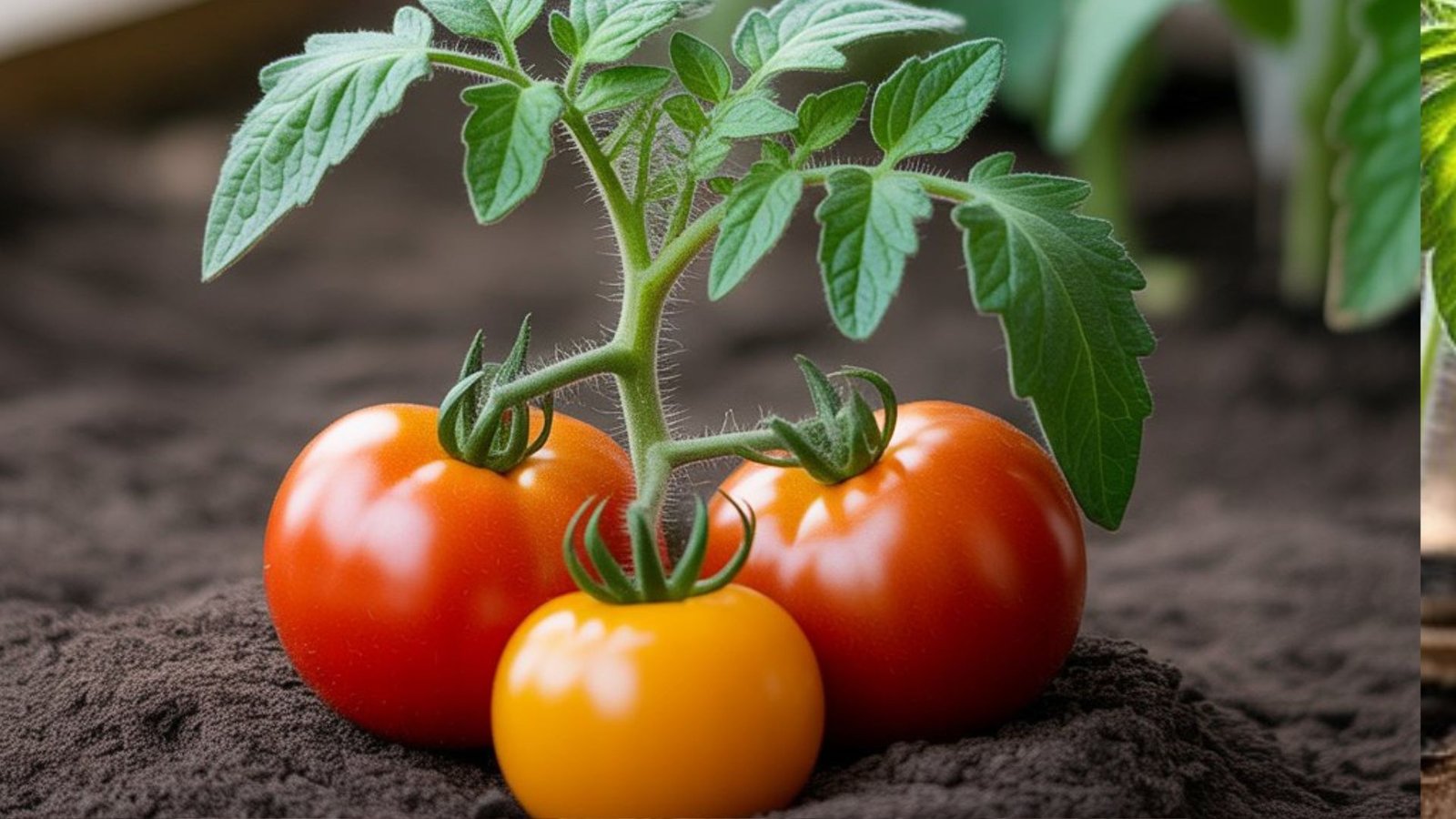
Timing is crucial when it comes to starting tomato plants indoors. Tomatoes need a long growing season to mature, and starting seeds indoors gives them a head start. You’ll want to start your seeds 4-6 weeks before the last frost date in your area. This is because tomatoes cannot be planted outside until the soil is at least 60°F, and nighttime temperatures consistently stay above 50°F. If you start your seeds too late, you risk missing out on a full harvest.
Planting too early can also lead to problems. Leggy seedlings can form if the plants do not have enough light. This can result in weak, unhealthy plants. Therefore, understanding the optimal conditions for tomato seed growth is essential. The right timing ensures that your plants mature properly without any setbacks.
How Early Should You Start Tomato Seeds Indoor?
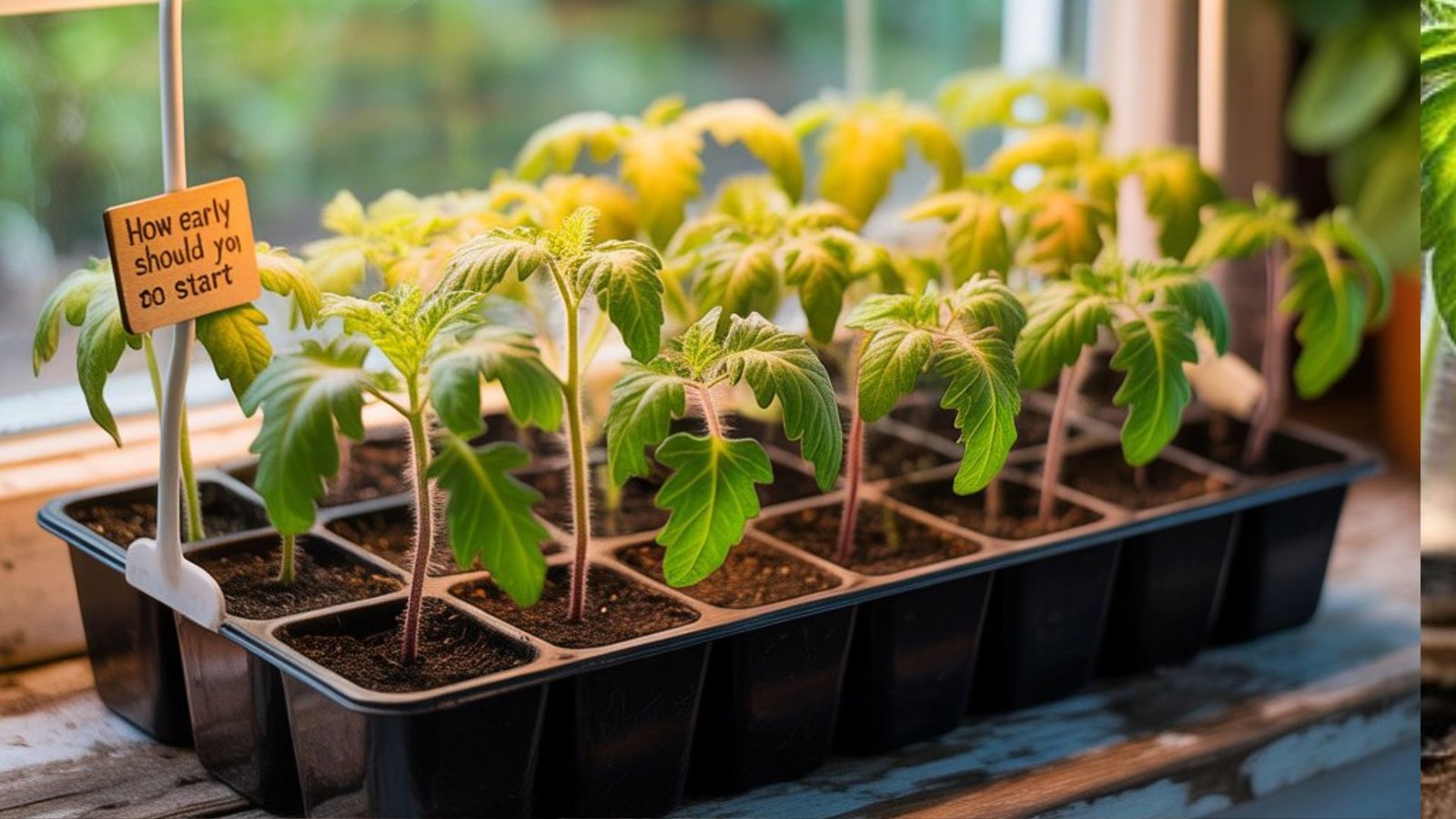
In general, starting tomato seeds indoors around 6-8 weeks before the last expected frost is ideal. However, the exact time depends on your USDA hardiness zone. For example, in colder regions, it’s better to start seeds earlier so they have plenty of time to grow before transplanting outdoors. In warmer climates, you may not need to start them as early. Check your local last frost date and count back 6-8 weeks to determine the best time to start your seeds.
Remember, the key is to ensure your tomato seedlings have enough time to grow strong before moving them outside. Starting too early could result in leggy seedlings, which can be difficult to transplant successfully. On the other hand, waiting too long could shorten your growing season and reduce your tomato yield.
Choosing the Right Containers and Soil for Starting Tomato Seeds Indoor
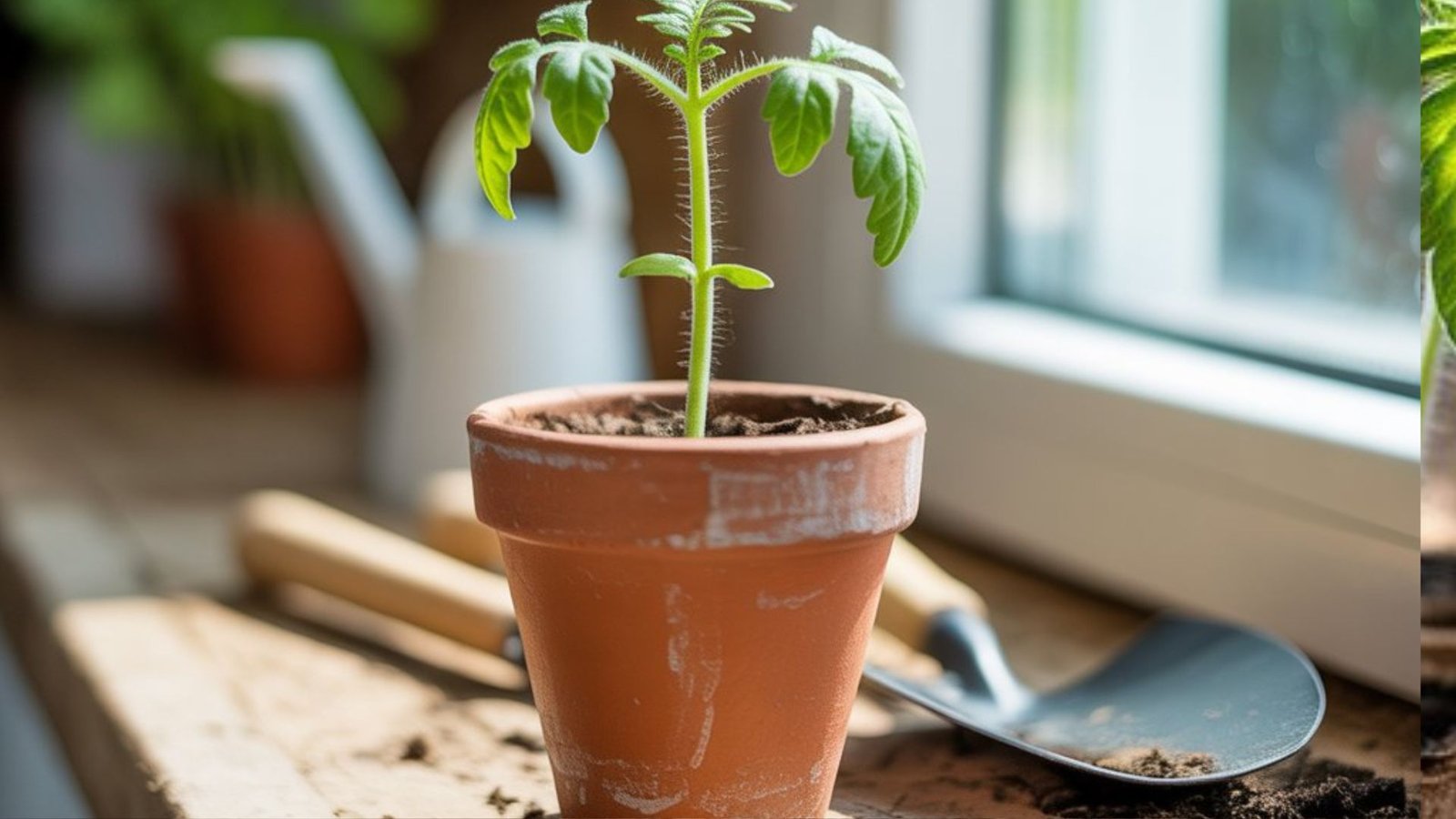
Choosing the right seed-starting containers and tomato seed starting mix is vital for healthy plant growth. You can use anything from recycled yogurt cups to seed trays, but make sure they have proper drainage. Drainage holes are essential to prevent overwatering, which can lead to root rot and other tomato seedling problems. Ensure the containers are large enough to accommodate the tomato plant root development as it grows.
The soil you use also plays a significant role in the growth of your tomato plants. A seed-starting mix is ideal because it’s light and provides excellent drainage. This mix is different from regular garden soil, which is heavier and can hold too much moisture, suffocating the delicate roots. You can find pre-made seed-starting mixes at most garden centers, or you can make your own with equal parts of perlite, peat moss, and vermiculite.
Essential Tools and Equipment for Starting Tomato Seeds Indoor
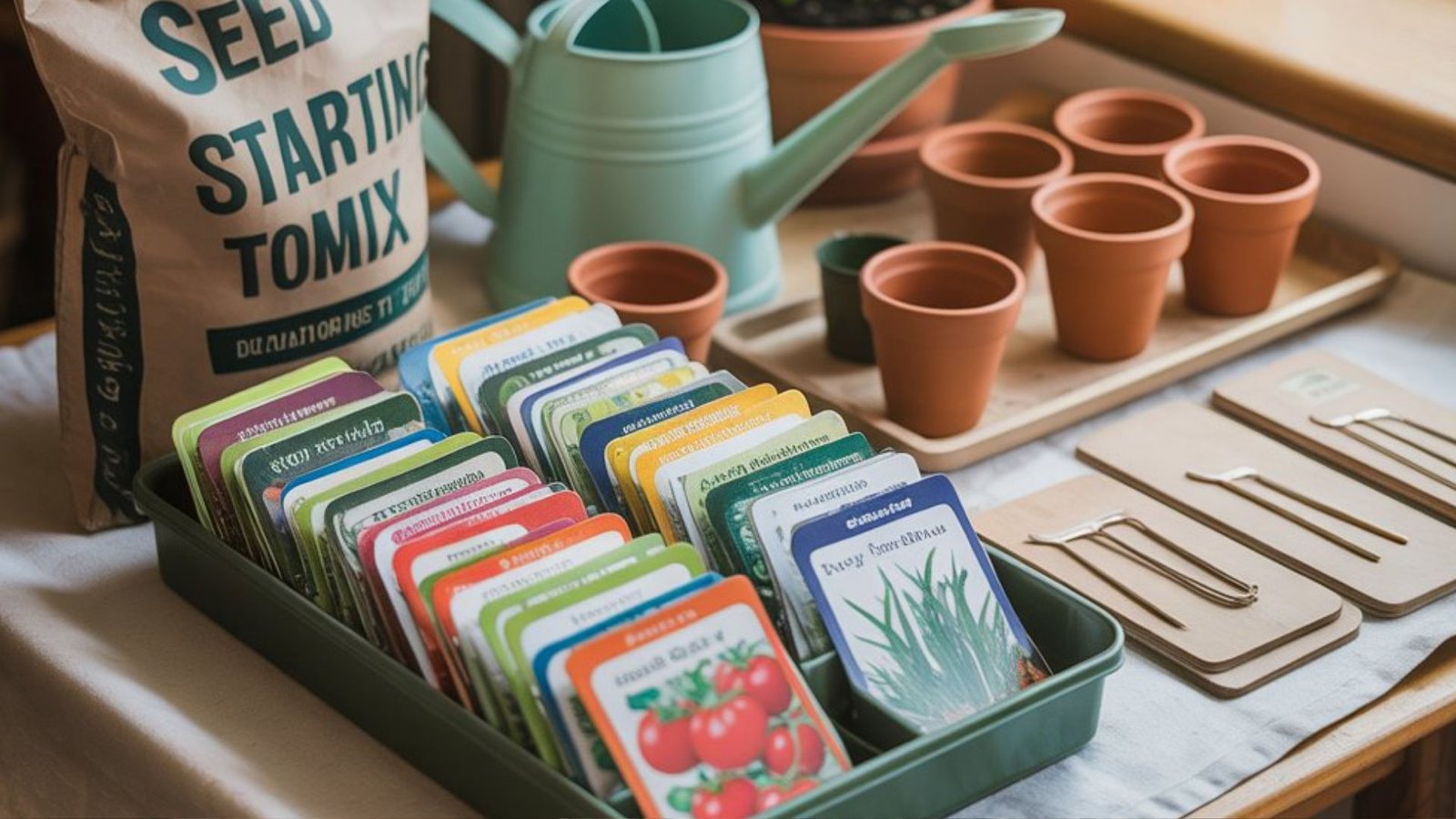
To successfully grow tomatoes from seed, you’ll need the right tools and equipment. The most important ones include grow lights, a heat mat, and spray bottles. Grow lights are necessary if you don’t have a sunny windowsill. Tomato seedlings need 16-18 hours of light a day to thrive, which is why growing tomatoes from seed indoors under artificial lights is often the best option.
A heat mat can help maintain the germination temperature for tomatoes. Tomatoes like warm conditions to germinate, typically between 65°F and 85°F. If the temperature is too low, germination may be slow, or seeds may fail to sprout altogether. Using a heat mat provides consistent warmth, which speeds up the germination process and ensures your plants start off strong.
Step-by-Step Guide: How to Start Tomato Seeds Indoor
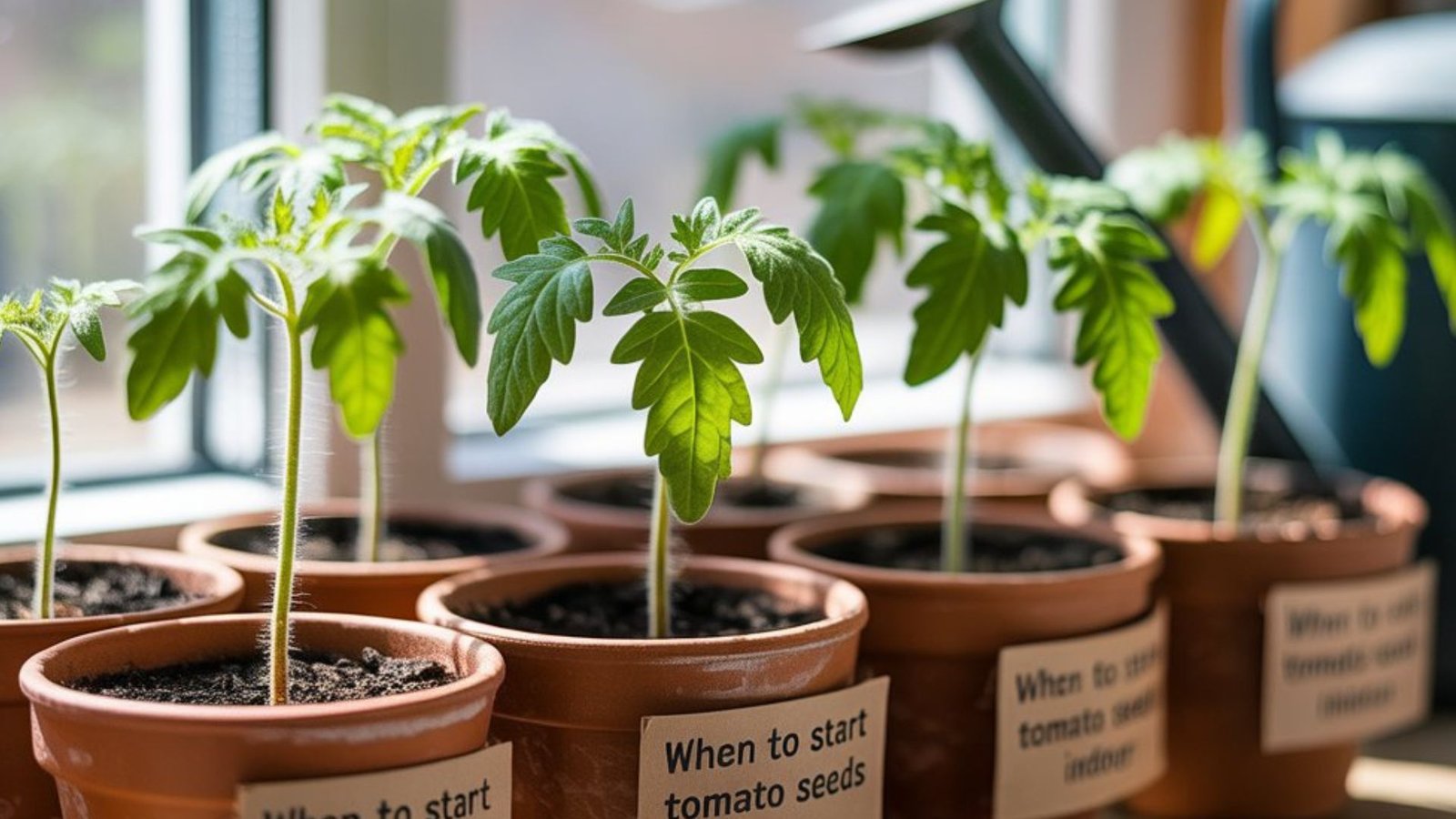
Starting tomato seeds indoors can seem tricky, but following a simple step-by-step guide can make it easy. First, prepare your containers and fill them with the tomato seed starting mix. Moisten the soil lightly, then plant your seeds about 1/4 to 1/2 inch deep. After planting, gently water the soil using a spray bottle to avoid disturbing the seeds. Cover the containers with plastic wrap to keep moisture in and place them in a warm spot.
Once the seeds have sprouted, remove the plastic wrap and place the containers under grow lights. Make sure the lights are 2-4 inches above the seedlings and provide 16 hours of light a day. When your seedlings grow their first true leaves, it’s time to pot them up into larger containers. This helps the plants develop stronger roots and prepares them for transplanting tomatoes into the garden later on.
Understanding Tomato Varieties: Which Types Are Best for Indoor Starting?
Not all tomato varieties are suited for indoor gardening. Smaller cherry tomato varieties like ‘Tiny Tim’ or ‘Tumbling Tom’ are perfect for growing in containers or small spaces. Heirloom varieties such as ‘Amish Paste’ or ‘Pineapple’ are excellent choices for gardeners who want to try something unique. These tomatoes can be started indoors and then transplanted into larger containers or the garden once they are established.
When choosing a variety, consider your space and growing conditions. Heirloom tomato varieties often take longer to mature but offer rich, complex flavors. If you have a shorter growing season or limited space, smaller varieties or hybrid tomatoes may be better options.
The Importance of Light: Using Sunny Windows and Grow Lights for Tomato Seedlings
For tomato seedlings, light is critical. Growing tomato seedlings under grow lights can ensure they receive the right amount of light, even if you don’t have a sunny windowsill. If you’re growing tomatoes in containers indoors, a sunny spot near a south-facing window may suffice, but during cloudy months or winter, grow lights become essential.
Tomatoes need bright light for 16-18 hours daily to grow strong and healthy. Without enough light, they may become leggy and weak, making it difficult to transplant them later. Inadequate light will also delay their growth and result in smaller harvests. Keep the lights about 2-3 inches above the seedlings and adjust as they grow to maintain the ideal distance.
Watering and Temperature: Key Factors for Healthy Tomato Seedlings Indoor
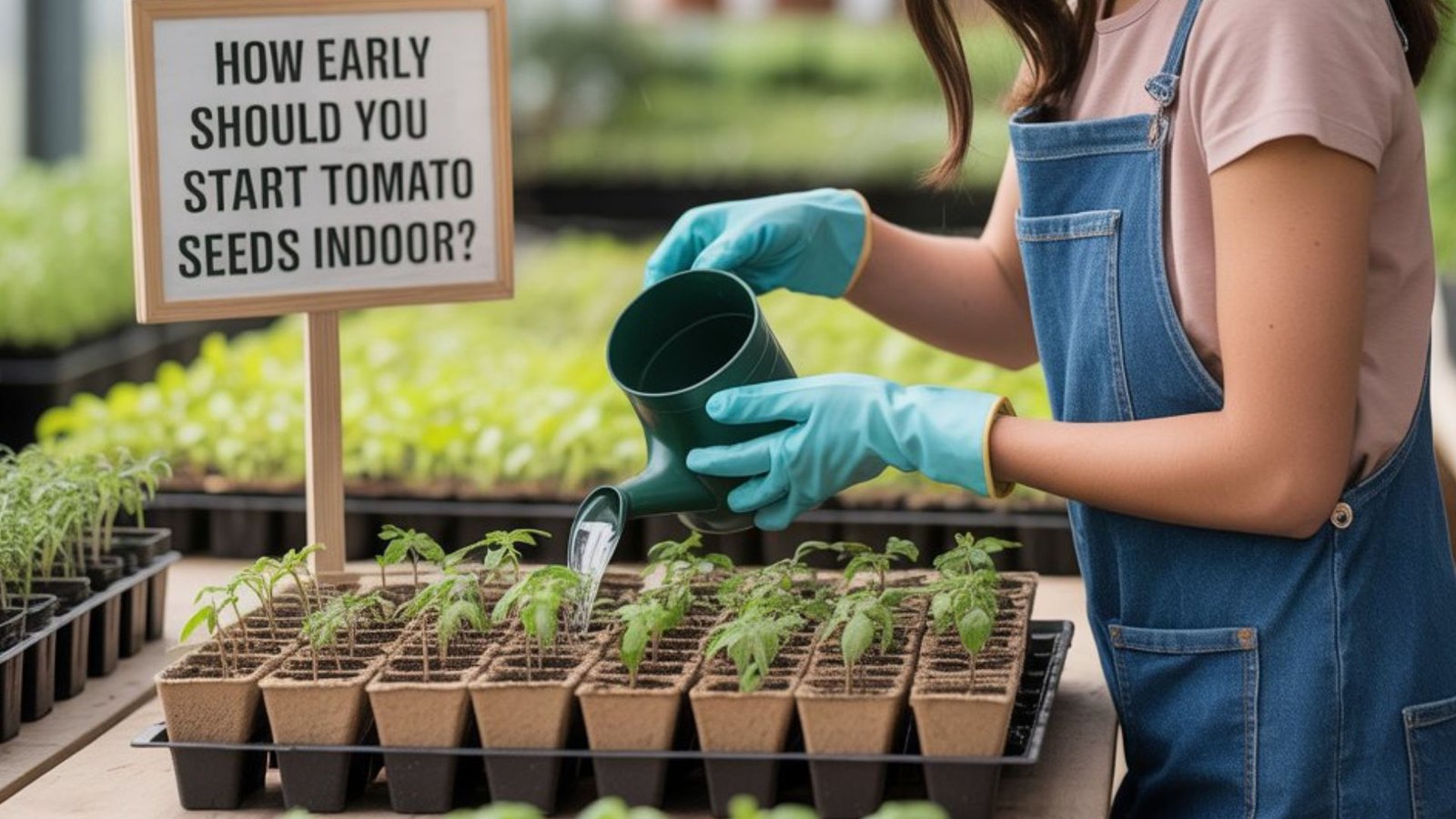
Proper watering and maintaining the right temperature are crucial for tomato seedling care indoors. Tomatoes need consistent moisture but do not like to be soggy. Use a spray bottle to water your seedlings gently. Make sure the soil is moist but not waterlogged. Overwatering can cause root rot and other tomato seedling problems.
In terms of temperature, the germination temperature for tomatoes should be between 65°F to 85°F. After germination, the temperature can be lowered to 50°F to 70°F for stronger plant growth. Ensure that the seedlings aren’t exposed to cold drafts, which can stunt their growth. If you’re using heat mats, make sure they don’t overheat the soil, as this can lead to poor tomato plant growth stages.
When to Transplant Tomato Seedlings: Signs Your Plants Are Ready for the Outdoors
The best time to transplant tomato seedlings outdoors is when they have developed at least two sets of true leaves and the weather has warmed up. Before transplanting, you’ll need to harden off your seedlings. This means gradually exposing them to outdoor conditions, starting with just a few hours of shade each day. Over a period of 7-10 days, slowly increase the time they spend outside, eventually exposing them to direct sunlight and wind.
The ground should also be at least 60°F before transplanting. Transplanting tomatoes into the garden too early, while the soil is still too cool, can cause transplant shock and stunt growth. Pay attention to weather forecasts and make sure nighttime temperatures stay above 50°F.
Troubleshooting Common Issues When Starting Tomato Seeds Indoor
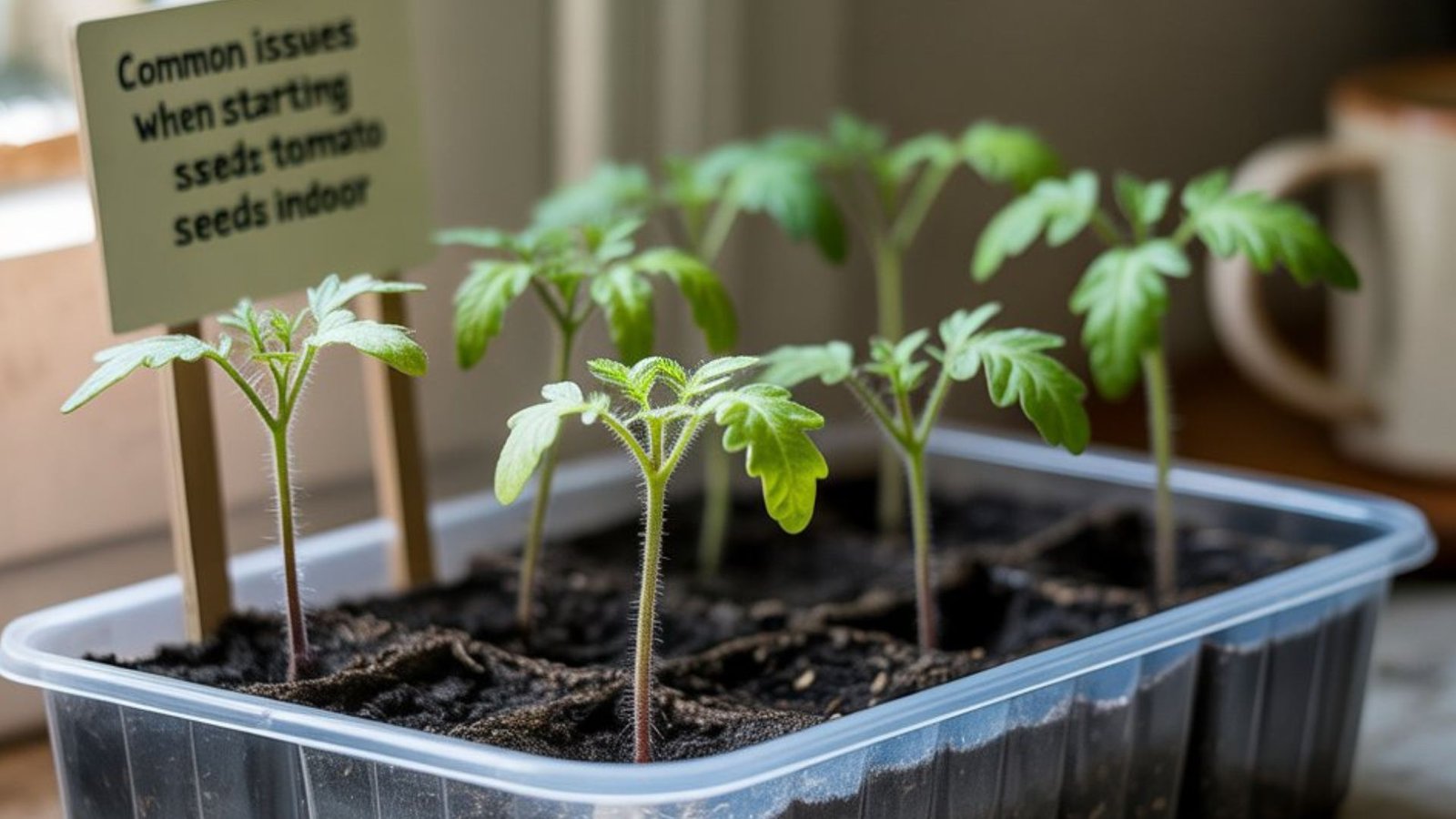
While starting tomato seeds indoors can be rewarding, it’s not without its challenges. One common issue is leggy seedlings. This happens when your tomato plants stretch towards the light and become weak. To prevent this, provide strong light for 16-18 hours per day and keep the lights as close to the plants as possible. You can also gently brush the seedlings with your hand to encourage thicker stems.
Another issue is damping-off disease, which causes seedlings to wilt and die. This is typically caused by too much moisture and poor air circulation. To avoid this, don’t overwater your seedlings and ensure they’re placed in a well-ventilated area. If you’re having trouble with seedling diseases, consider using mycorrhizal fungi for tomato seeds to boost their immunity.
Conclusion: Mastering the Art of Starting Tomato Seeds Indoor for a Thriving Garden
Starting tomato seeds indoors is a rewarding and enjoyable experience. By understanding the best time to start tomato seeds, providing the right light, water, and soil, you can grow healthy, strong tomato plants. Remember to carefully monitor your seedlings as they grow, and be mindful of common issues like leggy growth or damping-off. With these tips, you’ll be well on your way to a thriving garden and an abundant tomato harvest.
FAQs
Q1. What month do you start tomato seeds indoors?
You should start tomato seeds indoors about 6-8 weeks before your last expected frost, typically around February or March in many parts of the U.S.
Q2. Should I soak tomato seeds before planting indoors?
Soaking tomato seeds is generally not necessary, as they typically germinate well without soaking. However, soaking can help speed up germination if desired.
Q3. Is February too early to start seeds indoors?
February can be the right time to start seeds indoors, depending on your region’s last frost date, usually around 6-8 weeks before it.
Q4. Can I start tomatoes in February?
Yes, starting tomatoes in February works well for many areas, especially if the last frost is in late April or early May, allowing ample growing time indoors.
Q5. What happens if you start seeds too early indoors?
Starting seeds too early indoors can lead to leggy seedlings, which are weak and less likely to thrive when transplanted outdoors.