
When it comes to successful gardening in Florida, one of the first things to consider is what zone Florida is for plants. Florida is divided into several planting zones, each with its unique climate conditions that affect which plants thrive.
Knowing your Florida hardiness zone is essential for making informed decisions about the types of plants, trees, and grasses that will grow best in your garden. The USDA plant hardiness zone map helps identify these zones by assessing the region’s lowest annual temperatures. By understanding Florida’s growing zones, gardeners can ensure that their plants are not only suited to their environment but also have the best chance for growth and longevity.
What is the USDA Plant Hardiness Zone Map?
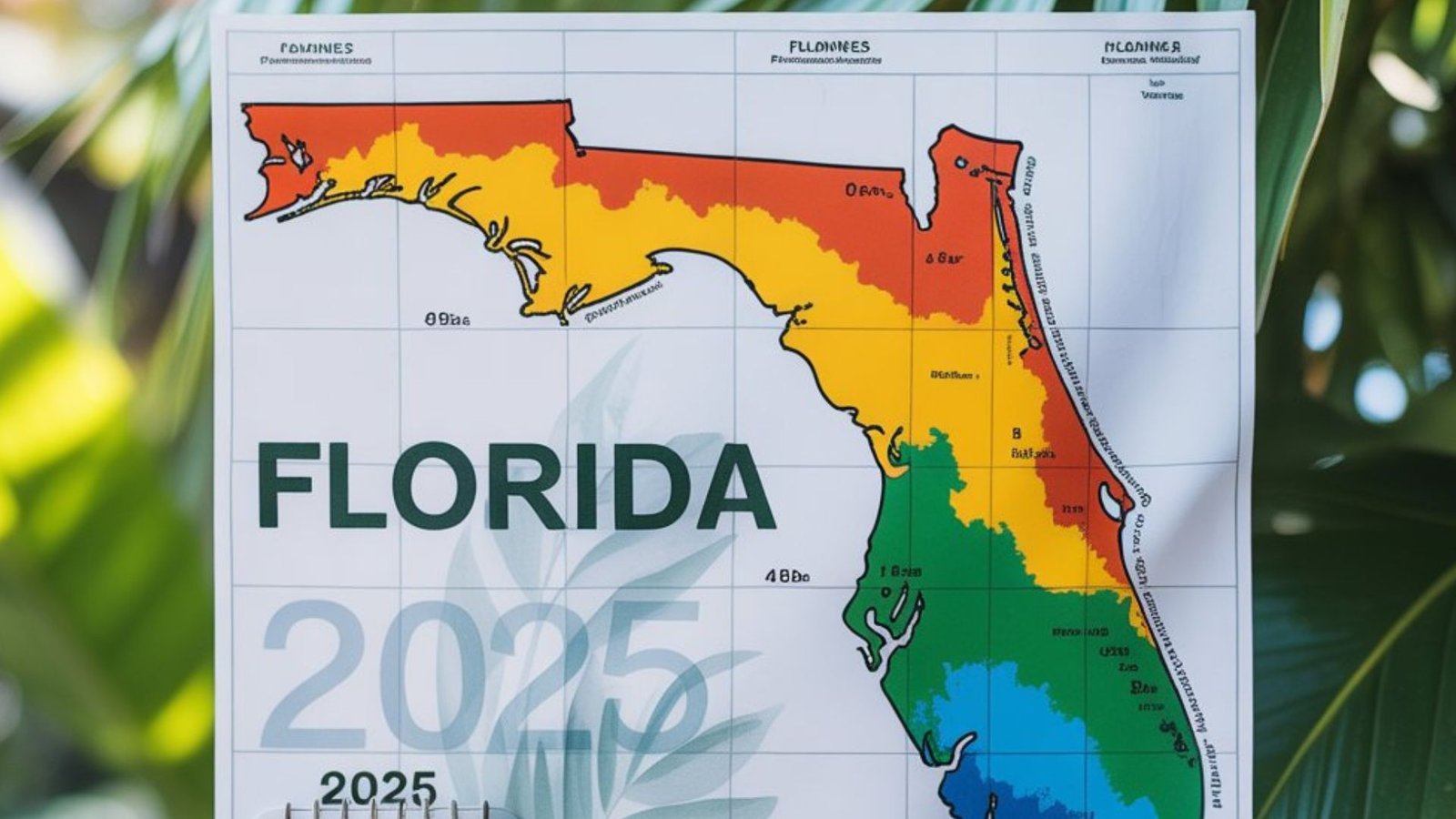
The USDA Hardiness Map Florida is a color-coded map that divides the country into different zones based on the lowest average temperatures. Florida’s zones range from Planting Zone 8b in the northern part of the state to Zone 11b in the tropical south. This map helps gardeners know which plants can survive in their specific location. For example, Bermudagrass for Florida thrives in zones 8 through 11, while some tropical fruits are only suitable for Zone 11.
Each planting zone has a unique climate, influencing which plants will grow best. In Florida, the zones are divided based on the typical minimum temperature in winter. It’s crucial for gardeners to understand this map to prevent planting something that may not survive the colder months.
What is My Planting Zone in Florida?
To figure out your planting zone in Florida, you can use the USDA’s interactive map. By entering your zip code, you can find your exact zone. Florida is divided into several different zones, ranging from Zone 8b to Zone 11b. For instance, Zone 8b is found in the Panhandle, while Zone 11b is located in Miami and the Florida Keys. Knowing your zone will help you choose the best plants for your area.
Once you know your hardiness zone, you can select plants that will thrive in that environment. For example, St. Augustine Grass for Florida is ideal for zones 9 and 10, while tropical plants like mango trees are suited to zones 11a and 11b. This ensures your plants have the best chance of growing healthy and strong.
Florida’s Plant Hardiness Zones in 2025: An Updated Overview
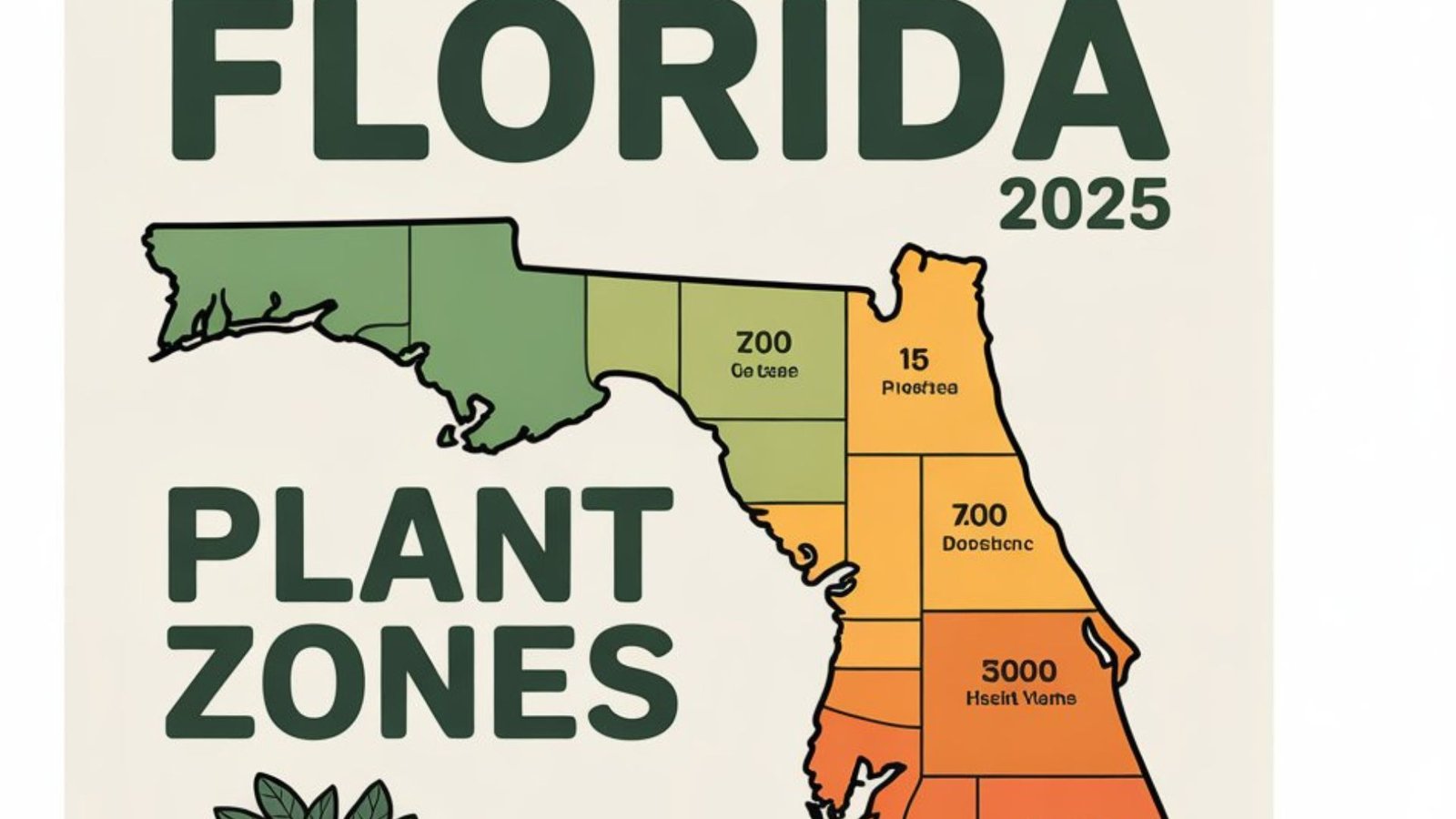
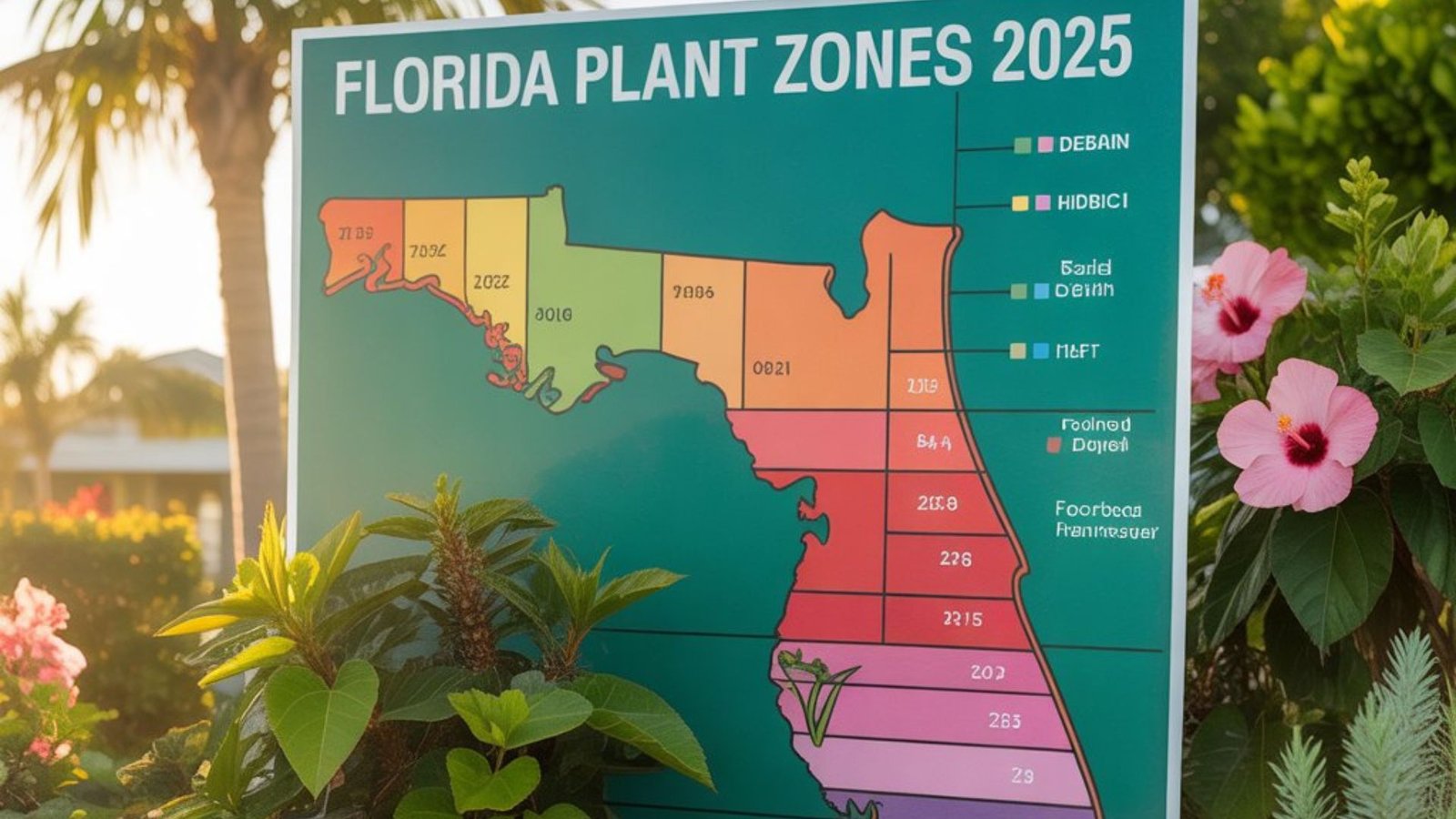
In 2025, the USDA Plant Hardiness Zones have been updated to reflect changes in temperature patterns. Florida’s zones are impacted by climate shifts, meaning some areas may experience warmer winters or more frequent frosts. The Florida Planting Zones now have clearer boundaries, making it easier for gardeners to select appropriate plants.
Florida’s hardiness zones are divided as follows: Zone 8b covers much of the Panhandle, while Zone 9a and 9b include most of Central and North Florida. Zones 10a and 10b are found in South Florida, and the warmest zone, Zone 11a and 11b, covers Miami and the Keys. It’s essential to stay updated on these zones to make the right plant selections.
Growing Grass in Florida: Tips for Each Zone
Warm-season grasses like Bermuda, St. Augustine, and Zoysia are ideal for Florida’s climate. For gardeners in Zone 8b, Bermudagrass for Florida is a great option as it tolerates drought and heat. In Zone 9a and 9b, St. Augustine Grass for Florida thrives, especially in coastal areas with more moisture. In Zone 10a and 10b, Zoysia grass is a solid choice because it performs well in heat and moderate shade.
When planting grass in Florida, it’s important to consider the amount of sunlight and water the grass will receive. Zoysia Grass Florida is known for being low-maintenance and able to withstand both sun and shade, making it versatile for different Florida landscapes. By selecting the right grass for your zone, you can ensure your lawn looks lush and healthy year-round.
Florida’s Growing Zones: Zone 8b to Zone 11b
Florida’s growing zones are crucial for choosing the best plants for your garden. Zone 8b, the northernmost zone, experiences colder winters and is perfect for cold-tolerant plants such as certain perennials and shrubs. Zones 9a and 9b cover a large portion of Central Florida, making it ideal for growing a mix of vegetables, flowers, and fruit trees, such as citrus.
In Zones 10a and 10b, you’ll find tropical plants thriving, such as avocados and mangoes. Finally, the warmest zones in Florida, Zones 11a and 11b, are perfect for the most sensitive tropical plants like orchids and palms.
Factors That Affect Plant Growth in Florida
Several factors influence plant growth in Florida. The Florida climate plays a significant role, with temperature, humidity, and rainfall varying across the state. For example, growing citrus trees in Florida requires a warm climate, but certain varieties can only grow in the southernmost regions. Soil type is another crucial factor. Florida’s sandy soil in some areas requires additional soil amendments to help plants thrive.
In addition, salt exposure and wind can impact plant health, especially in coastal regions. Understanding how these elements affect your garden will help you choose the best cold-tolerant plants for Florida and grow a successful garden, regardless of the zone.
Common Florida Plants for Each Zone
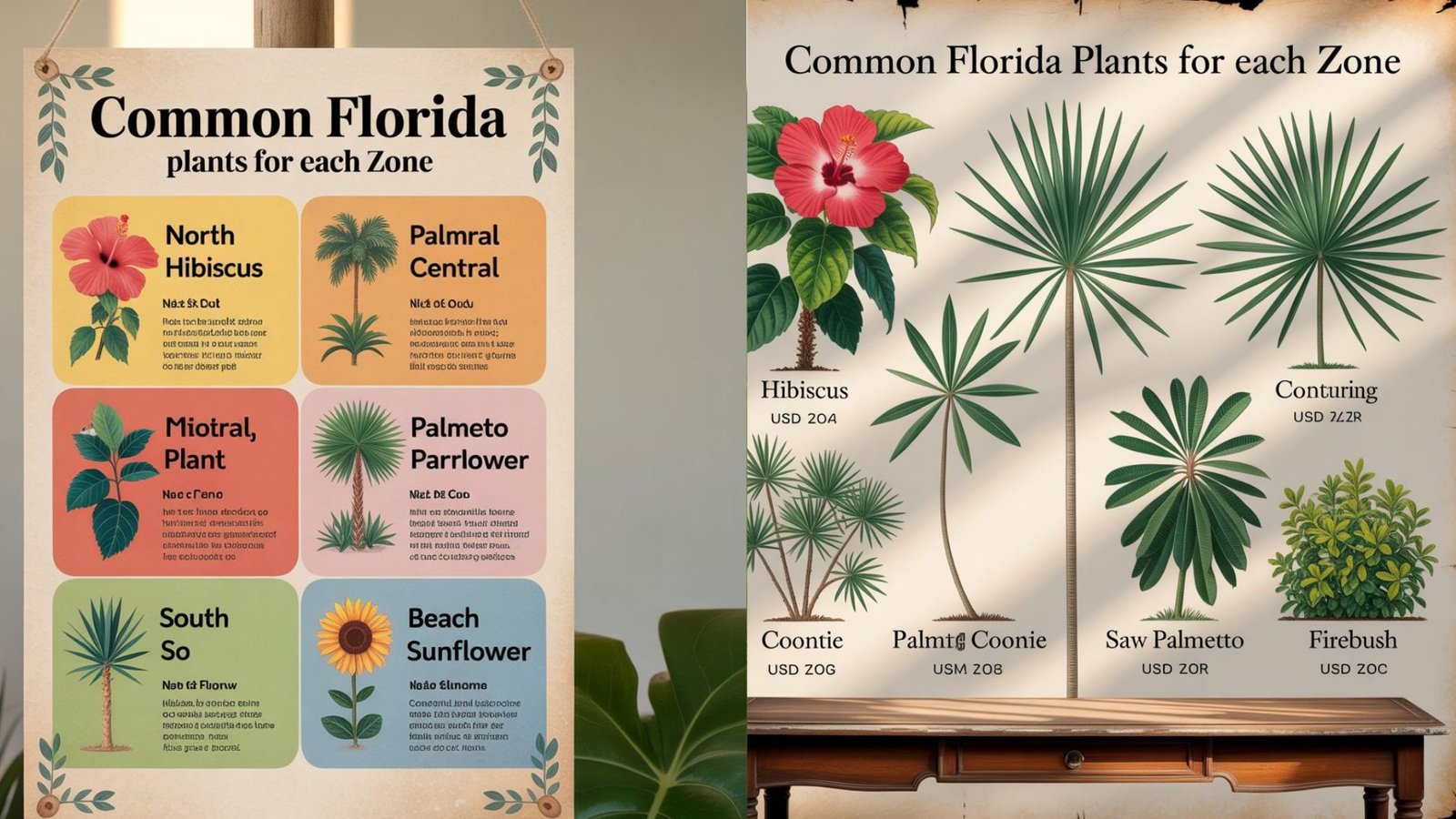
In Zone 8b, you’ll find hardy plants such as azaleas, camellias, and gardenias, which can handle the cooler temperatures. Zone 9a and 9b are great for growing a variety of vegetables, such as tomatoes and peppers, along with citrus trees Florida like oranges and grapefruits. Zone 10a and 10b allow for the growth of tropical fruits such as bananas, mangoes, and pineapples.
In Zone 11, gardeners can plant the most delicate tropical species like palms, orchids, and bird-of-paradise. By choosing plants that are suited to your Florida planting zone, you can create a diverse and thriving garden.
Landscaping and Lawn Care Tips for Florida Gardeners
Landscaping in Florida requires special consideration of the state’s unique climate considerations. Choosing the right plants for your Florida landscaping zones will ensure a successful garden. For lawns, consider planting warm-season grasses Florida like St. Augustine or Zoysia, which can handle the summer heat and Florida’s humidity. Regular irrigation is key, but it’s also important to avoid overwatering.
For tropical gardens, it’s essential to select plants that thrive in the Florida climate. Creating a tropical garden in Florida means choosing plants like hibiscus, bougainvillea, and palms that will flourish in the heat and humidity. With the right landscape design for the Florida climate, your garden will not only survive but thrive.
Conclusion: Choosing the Right Plants for Your Florida Zone
Understanding Florida’s plant hardiness zones is essential for creating a healthy and thriving garden. Whether you live in Zone 8b in the north or Zone 11b in the south, knowing your hardiness zone will help you select the best plants. From cold-tolerant plants for Florida to tropical fruits and warm-season grasses, Florida offers a wide variety of options.
By using the Florida zone guide for gardeners, you can make informed decisions about what to plant in 2025 and beyond. Whether you’re growing vegetables, flowers, or trees, selecting plants that match your Florida hardiness zone will ensure they grow strong and healthy. Happy gardening!
FAQs
Q1. What is my planting zone in Florida?
Your planting zone in Florida can be found by using the USDA map. You can enter your zip code to get the exact zone for your area.
Q2. What is Zone 8 in Florida?
Zone 8 in Florida includes parts of the Panhandle and North Florida, where minimum temperatures range from 10 to 20°F. It’s suitable for cold-tolerant plants and some perennials.
Q3. How do I tell what plant zone I live in?
You can determine your plant zone by using the USDA Plant Hardiness Zone Map. Enter your zip code on their website to find your specific zone.
Q4. When to plant in Zone 8?
In Zone 8, the growing season typically starts in spring after the last frost date, usually around mid-to-late March. Cool-weather crops like peas and lettuce can be planted early.
Q5. What grows in Zone 10a?
In Zone 10a, you can grow tropical fruits, such as mangoes, avocados, and papayas, along with flowering plants like hibiscus and bougainvillea.