
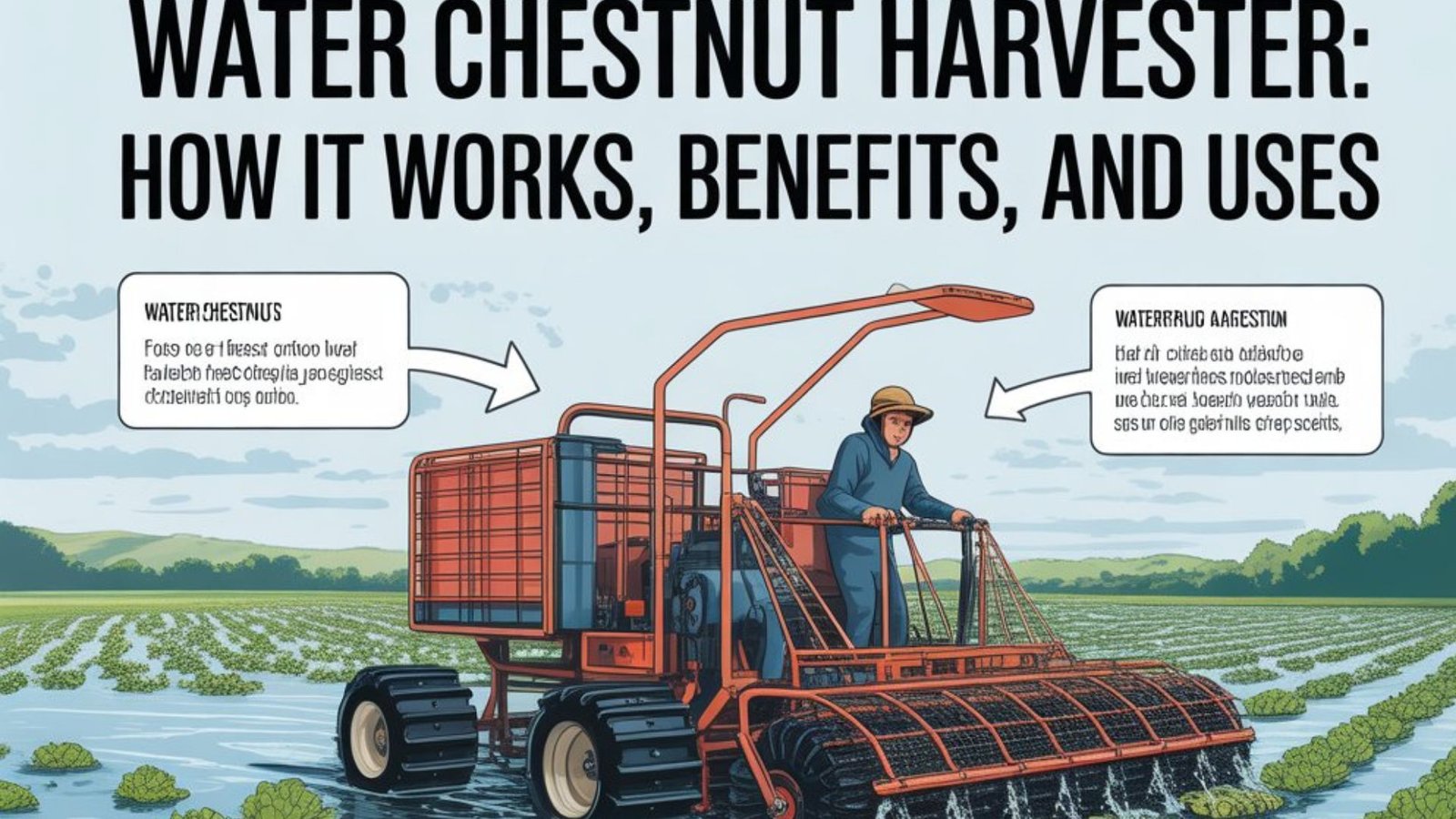
Waterways across the United States are facing serious pressure from fast-spreading aquatic weeds, and the water chestnut harvester has become a vital solution. This machine is designed to remove thick plant growth that blocks sunlight and harms aquatic life. The European water chestnut spreads quickly in calm waters and forms heavy surface layers that restrict movement. As a dangerous aquatic invasive species, it damages ecosystems and reduces water quality. Using modern mechanical water chestnut harvesting methods helps restore balance without heavy chemical use. For lakes, rivers, and ponds dealing with severe water chestnut infestation, this approach offers an effective and environmentally responsible path forward.
What Is a Water Chestnut Harvester?
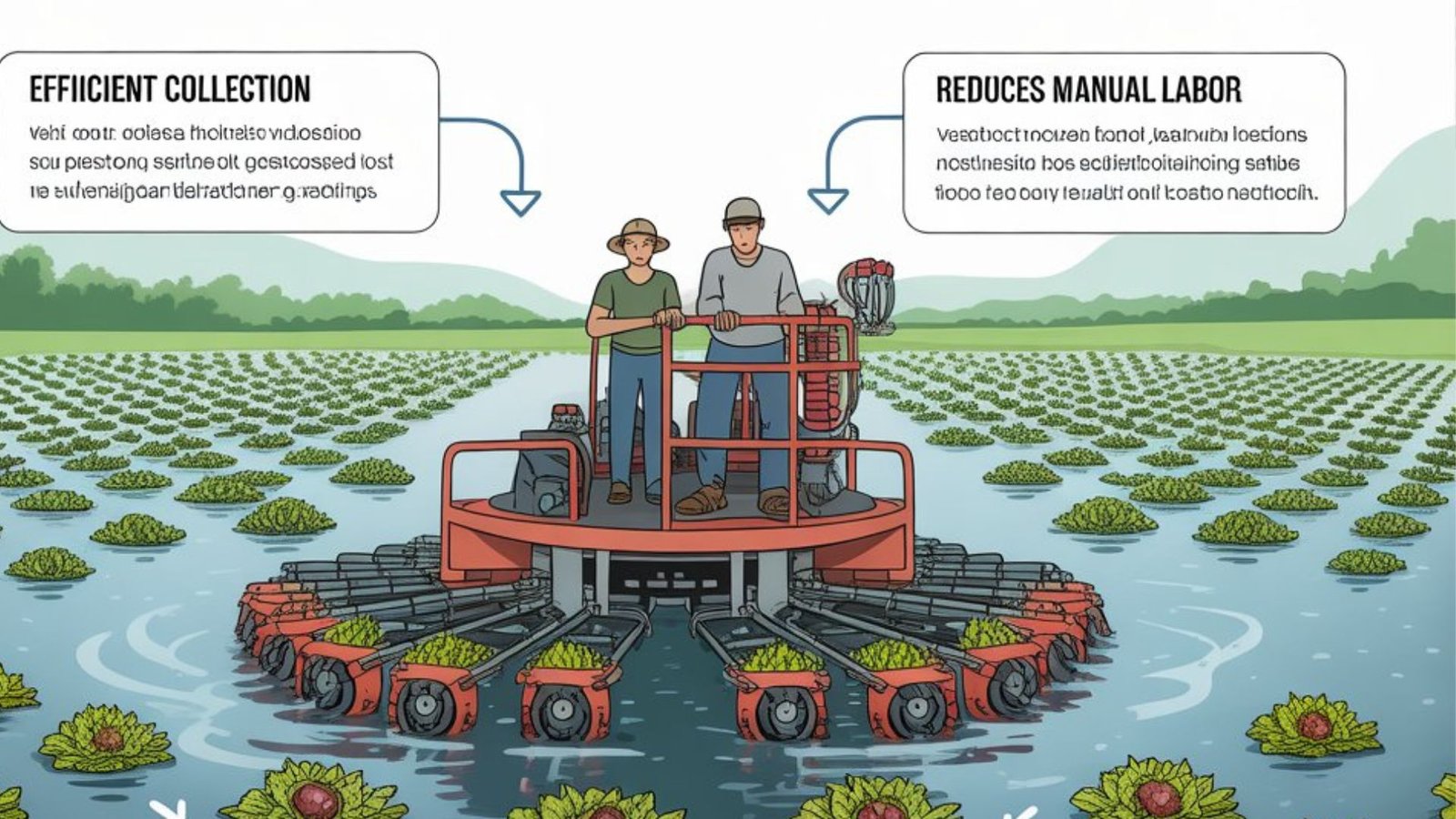
A water chestnut harvester is a floating machine designed to remove invasive plants from water bodies. It targets surface growth and root structures at once. Unlike manual methods, it clears large areas efficiently while protecting surrounding ecosystems. This approach supports safe water chestnut removal in public waterways.
The harvester works best in freshwater lakes and ponds and also in slow-moving rivers and streams. It cuts plants below the surface and collects them onboard. By removing biomass directly, it reduces the chance of regrowth from fragments.
Origin and Spread of Water Chestnut Plants
The European water chestnut was introduced to North America in the late 1800s. It escaped cultivation and spread rapidly. Today, it dominates waterways as a dangerous invasive aquatic plant species. The plant thrives in calm waters and warm summers.
Its expansion is severe in the Northeast. The water chestnut spread New York waterways rapidly. Infestations are well known in water chestnut Lake Champlain and the water chestnut Hudson River. Each season adds pressure to fragile ecosystems.
Why Water Chestnut Harvesting Is Important
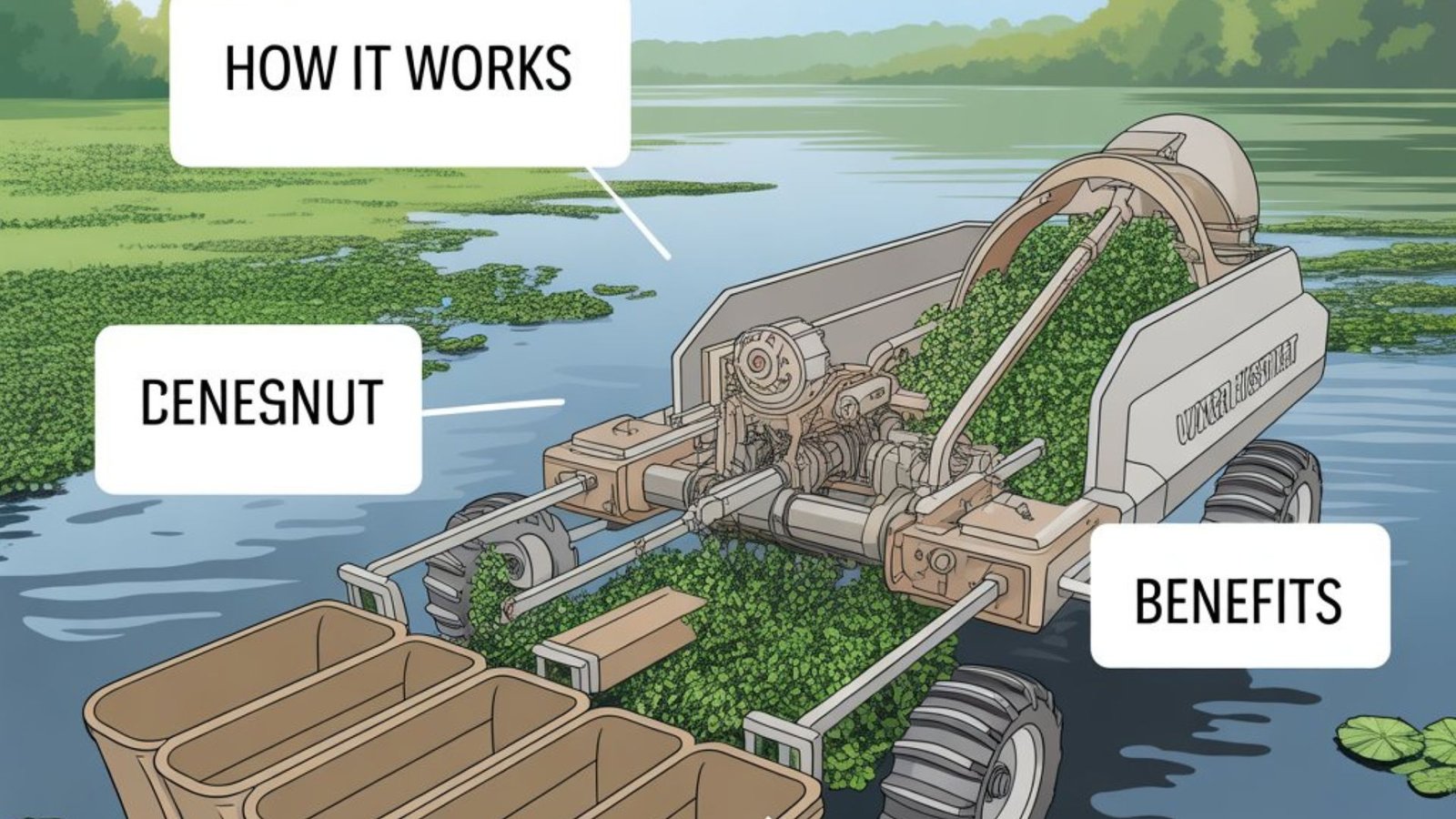
Unchecked growth creates dense floating vegetation mats that block sunlight. This causes aquatic ecosystem disruption and leads to reduced dissolved oxygen levels. Fish and insects suffer quickly.
Harvesting prevents native aquatic plant loss and limits fish habitat degradation. It also reduces boating and swimming hazards. Shorelines face erosion and shoreline property damage when infestations grow unchecked.
How a Water Chestnut Harvester Works
Modern systems use advanced mechanical water chestnut harvesting techniques. The machine moves slowly across the water surface. Cutting bars slice through stems. Conveyors lift plants onboard for storage.
Step-by-Step Harvesting Process
First, submerged blades cut plants below the crown. Next, conveyors collect water chestnut floating mats. Finally, plants unload at shore for disposal. This prevents seed drop and limits future growth.
Types of Water Chestnut Harvesters
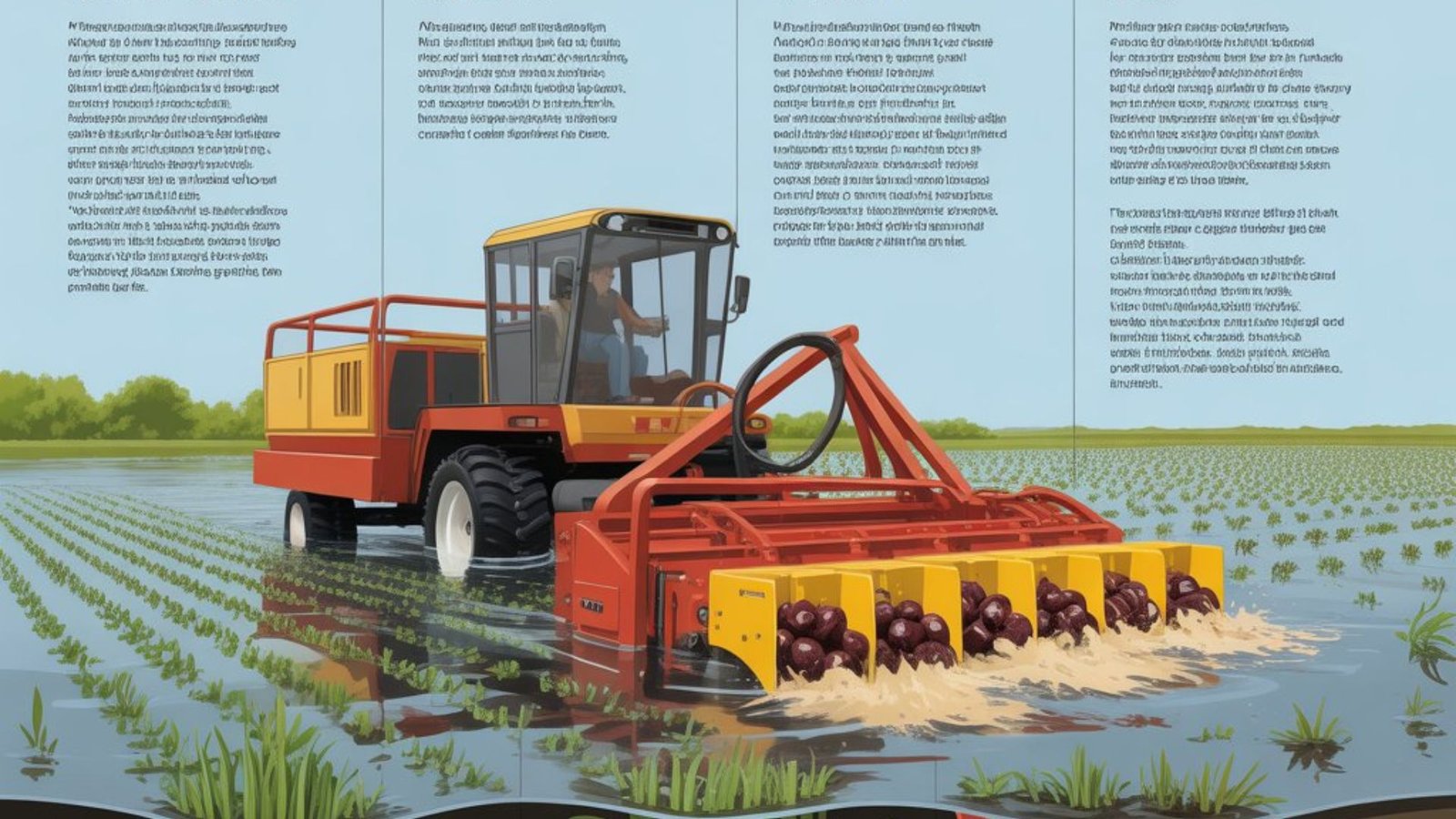
Harvesters vary in size and power. Smaller units serve ponds and marinas. Large-scale machines clear lakes and rivers efficiently. All rely on durable mechanical harvesting equipment.
Some systems combine harvesting with hand pulling water chestnut in sensitive zones. Others integrate limited aquatic herbicide treatment when permitted. This blended approach improves long-term results.
Benefits of Using a Water Chestnut Harvester
Mechanical removal delivers immediate visual improvement. It avoids chemical dependency and supports sustainable invasive species management. The process reduces risks of puncture injuries from spiny nuts along shorelines.
Harvesting also disrupts the water chestnut seed bank. By removing plants before seed drop, managers reduce long-term seed viability and slow future infestations significantly.
Uses of Harvested Water Chestnuts
Removed biomass does not go to waste. Many programs compost it for soil enrichment. Some municipalities use it in erosion control projects. Research teams study plant material for biological control agents.
The key benefit is prevention. Removing plants before overwintering aquatic seeds mature breaks the annual aquatic plant lifecycle and limits spread through wildlife dispersal of seeds.
Economic and Environmental Impact
The water chestnut economic impact is significant. Infested lakes lose tourism and property value. Harvesting restores recreational use and supports local economies.
Environmentally, the water chestnut ecological impact declines with removal. Reduced water chestnut aquatic habitat damage allows native plants and fish to recover naturally over time.
| Impact Area | Without Harvesting | With Harvester Use |
| Water Quality | Declines rapidly | Improves steadily |
| Recreation | Restricted access | Safe boating restored |
| Biodiversity | Species loss | Native recovery |
Water Chestnut Management and Regulations in the USA
Many states operate a water chestnut management program under environmental agencies. These programs regulate harvesting schedules and disposal methods. Compliance protects wildlife and water quality.
In regions with invasive aquatic plants Northeast, coordinated efforts matter. Programs monitor waterfowl seed transport and limit accidental spread through equipment cleaning and education.
Conclusion
A water chestnut harvester is more than a machine. It is a frontline defense against invasive plants. Through responsible water chestnut removal, communities protect ecosystems, recreation, and property. When combined with monitoring and education, harvesting offers lasting relief. For lakes and rivers under threat, this solution restores balance where it matters most.
FAQs
Q 1 : How do you harvest water chestnuts?
Water chestnuts are harvested by hand pulling or with mechanical harvesters that cut and collect plants before seeds mature.
Q 2 : Who is the largest producer of water chestnut?
China is the world’s largest producer of water chestnuts, supplying most of the global food market.
Q 3 : What is the biggest problem with water chestnuts?
The biggest problem is their rapid spread, which creates dense mats that damage aquatic habitats and block waterways.
Q 4 : How to farm water chestnuts?
Water chestnuts are farmed in shallow freshwater ponds with warm temperatures and harvested after the plants mature.
Q 5 : How long do water chestnuts take to grow?
Water chestnuts usually take about four to six months to fully grow and be ready for harvest.