

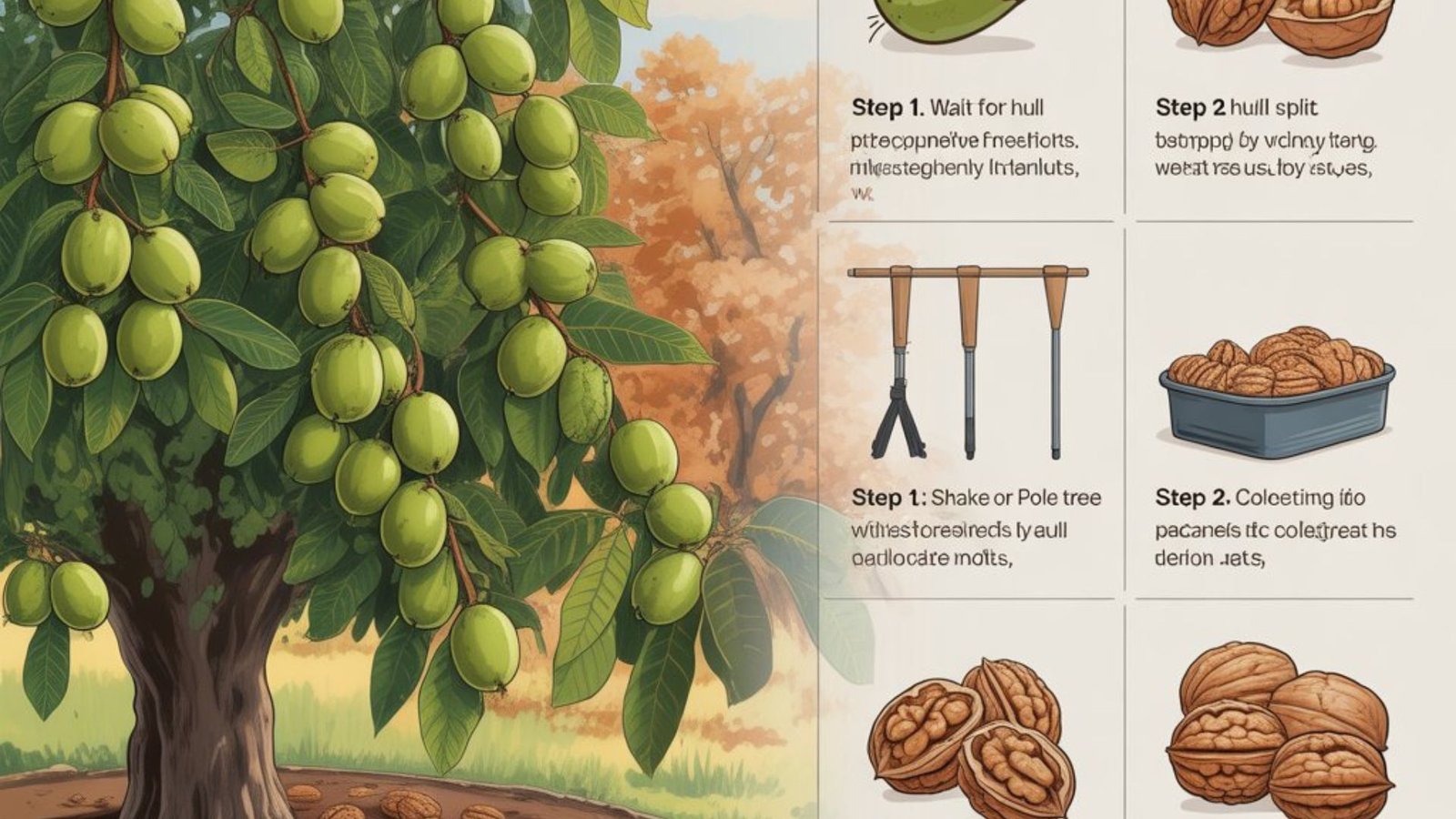
Harvesting walnuts can be both exciting and rewarding, especially when you understand the full walnut tree harvest process. Knowing when to pick black walnuts and how to handle them ensures the best flavor and quality. From black walnut harvesting to black walnut husk removal, every step matters.
Beginners often wonder how to harvest black walnuts safely, avoiding mess and damage. With the right timing, tools, and techniques, you can enjoy fresh, delicious walnuts straight from your tree. This guide will walk you through each stage, from recognizing ripe nuts to curing and storing them, so your walnut tree harvest is successful every season.
When Are Walnuts Ready to Harvest?
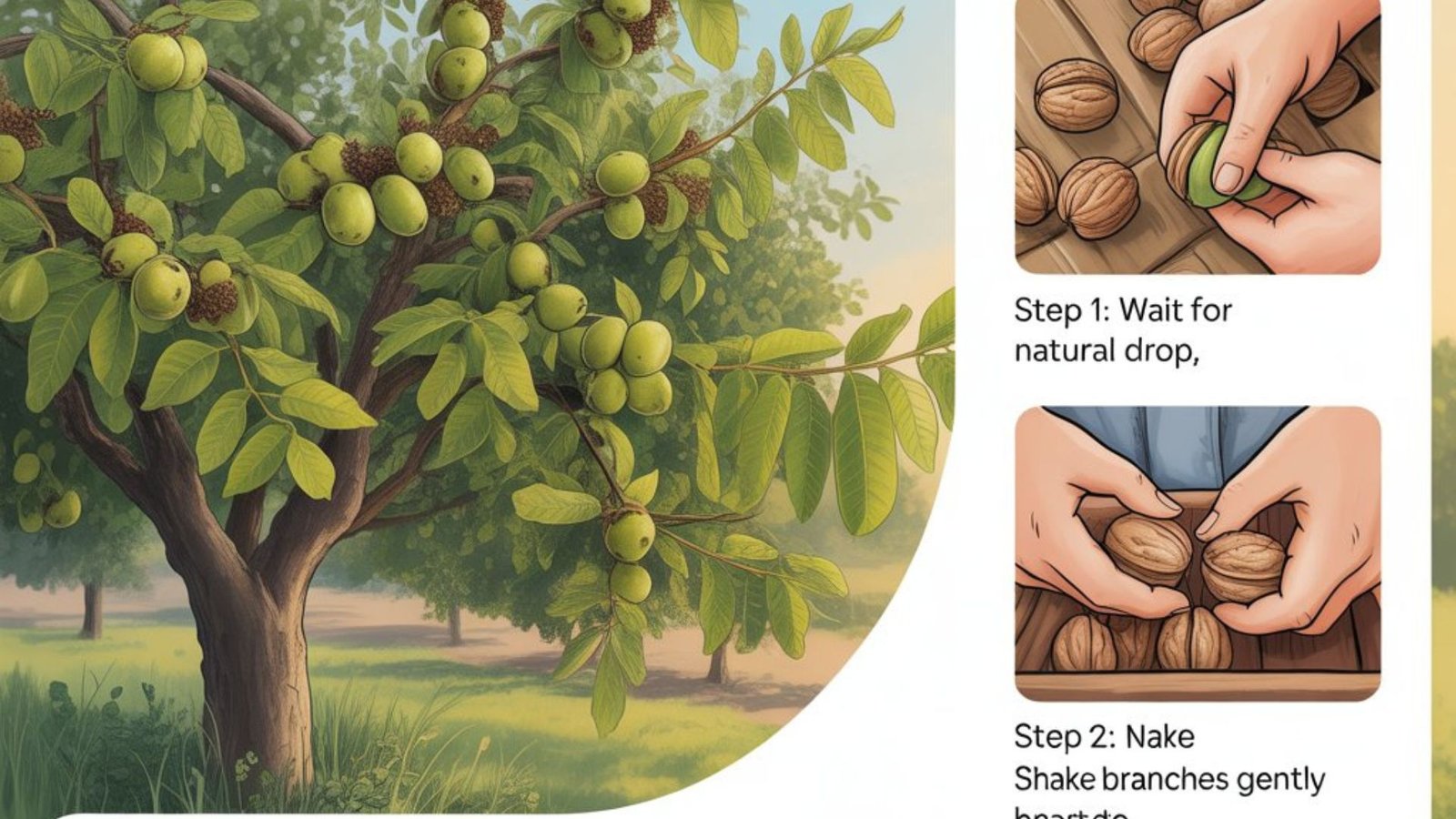
You can tell walnuts are ready when the husks start splitting and falling from the tree. Identifying ripe black walnuts and checking for firmness ensures you avoid damaged or bitter nuts. Timing varies by region, but most USA growers harvest in late September and October.
Pressing the husk gently helps decide ripeness. If it leaves a dent, the nut is ready. Understanding signs that black walnuts are ripe prevents mistakes. Picking too early results in bitter nuts, while waiting too long can invite walnut husk fly larvae and black walnut worms.
How to Harvest Walnuts Properly
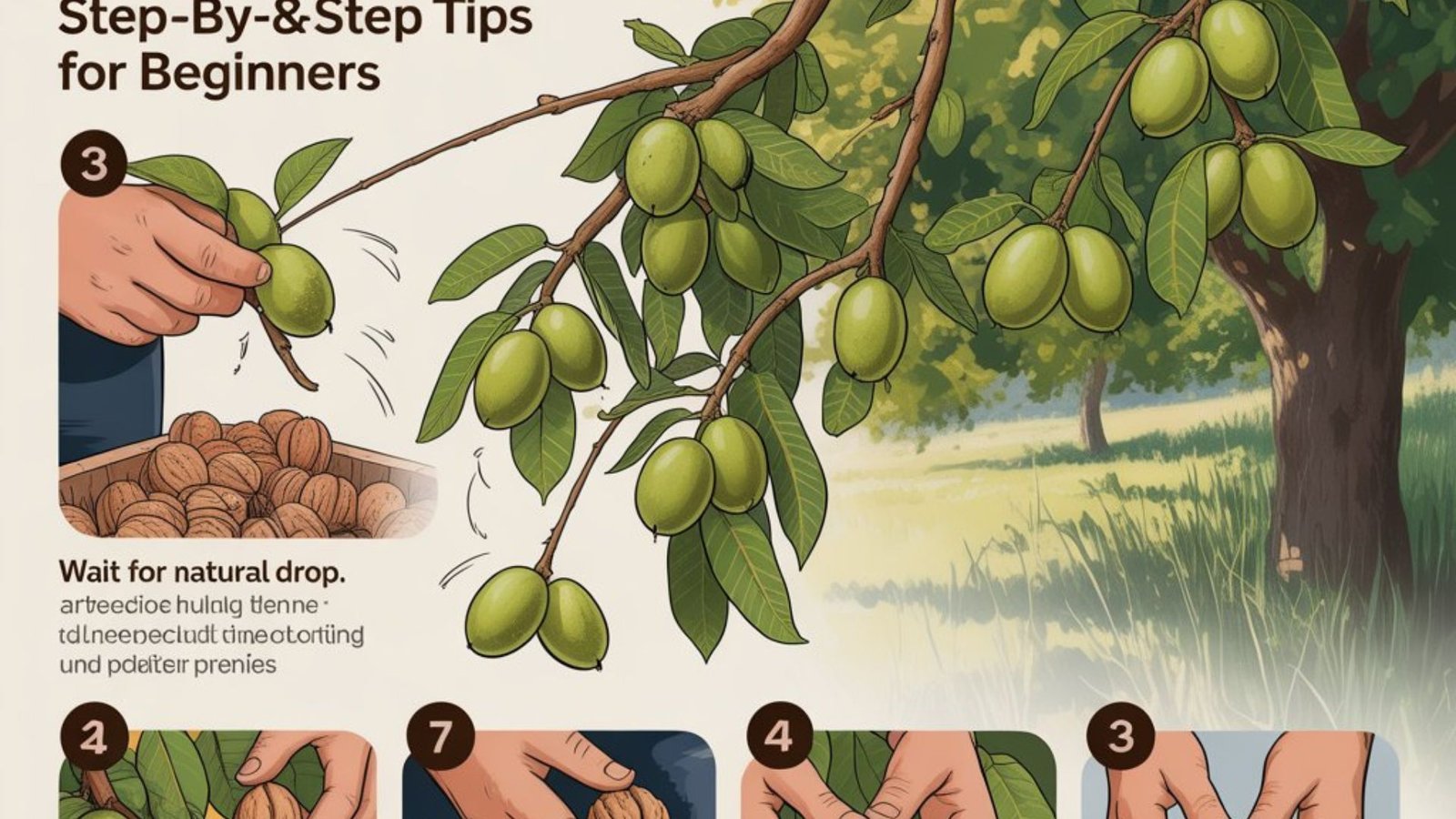
To harvest walnuts safely, use gloves and a tarp under the tree to catch falling nuts. Learning how to harvest black walnuts properly avoids bruising. Some growers shake branches gently, while others collect nuts that naturally fall. Walnut tree harvest season is best observed closely to avoid spoiled nuts.
Always check the ground and remove debris. Using proper tools keeps the black walnut processing steps simple and safe. Preparing your collection area and handling nuts carefully reduces waste. Knowing what to do after harvesting black walnuts ensures the highest quality nutmeat.
Are There Worms in Walnuts? Causes and Prevention
Sometimes when opening walnuts, you may notice black walnut worms or signs of walnut husk maggots. Don’t worry, these pests live in the husk and rarely affect the nut inside. Understanding that you can eat black walnuts with worms helps beginners avoid fear and waste.
Preventing infestations starts with timing and inspection. Collect nuts promptly during walnut harvesting season and remove husks quickly. Monitoring for walnut husk fly larvae and cleaning the area reduces pest problems. Knowing what to do after harvesting black walnuts ensures your nuts stay safe and edible.
How to Process Black Walnuts After Harvest
Processing begins with black walnut husk removal. Wearing gloves, cut or twist off the green husks carefully. Using water helps with washing black walnuts and removes sticky residue caused by juglone toxicity walnuts, which can stain hands or surfaces.
After husking, perform the float test for walnuts. Nuts that sink are healthy; floating ones are bad. Learning black walnut processing steps like drying and sorting ensures high-quality nuts. Knowing the easiest way to remove walnut husks saves time and prevents spoilage.
Why Black Walnuts Need to Be Cured
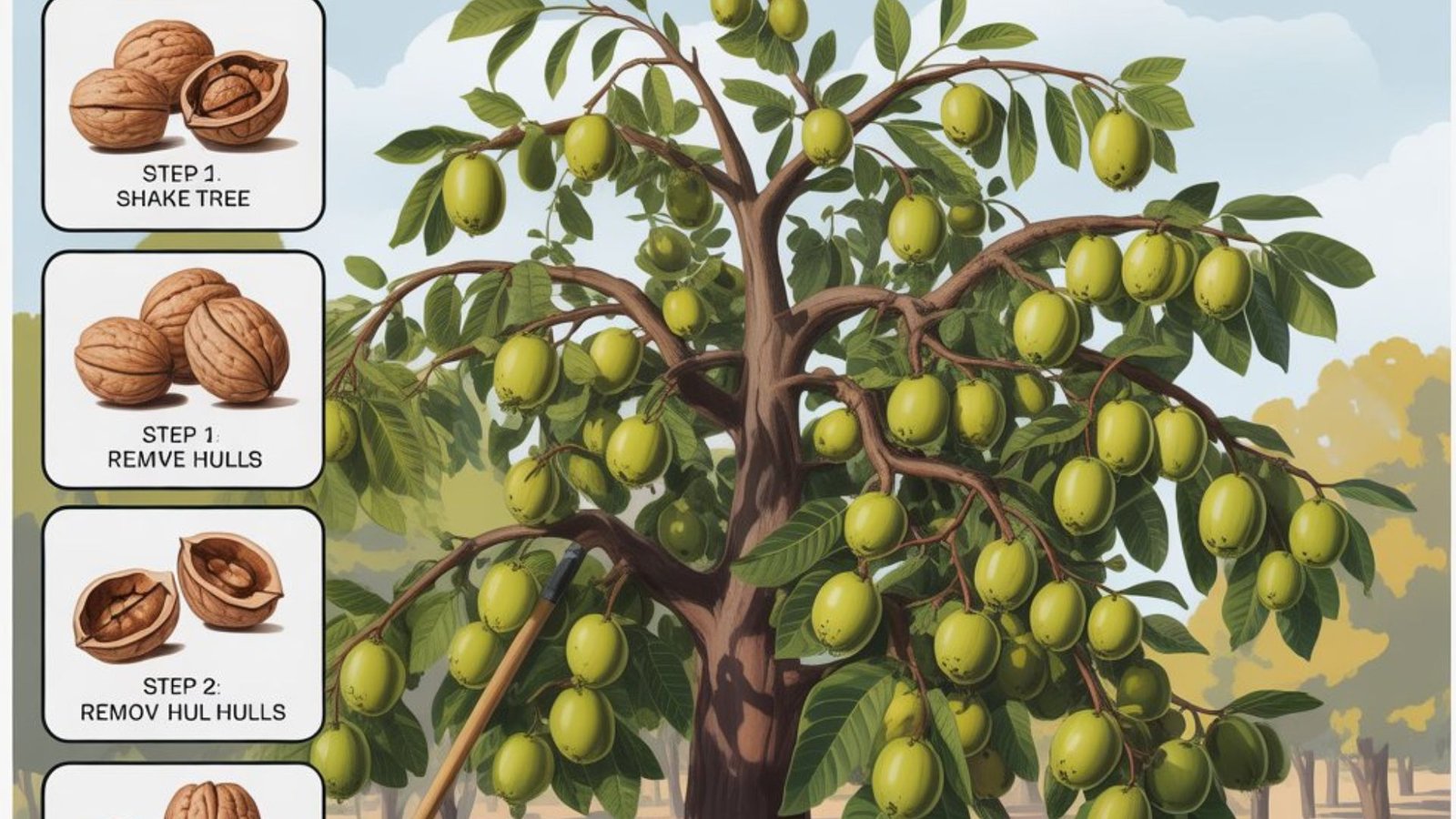
Curing walnuts draws moisture from the nutmeat, improving flavor. The black walnut curing process is essential for beginners. Proper curing also determines how to cure black walnuts and prevents mold or bitterness.
Spread nuts in a dry area for several weeks. Checking how long to cure black walnuts ensures the nutmeat is firm and ready for storage. Skipping curing can lead to poor taste and difficulty in preparing black walnuts to eat.
Storing Cured Walnuts Safely
Once cured, proper storage extends walnut shell life. Keep nuts in a cool, dry place or in the refrigerator. Learning black walnut storage tips ensures they remain fresh for months, and knowing how to store walnuts long term prevents rancidity and flavor loss.
Use airtight containers for shelled nuts, or freeze for longer periods. Avoid moisture, which accelerates spoilage. Understanding if walnuts go bad and checking for unusual odors helps maintain quality. Following these tips guarantees your storing cured walnuts process keeps nuts safe and tasty.
How Long Walnuts Can Stay in the Shell
Unshelled walnuts can last up to a year if stored correctly. Knowing how long walnuts can stay in the shell helps plan usage and storage. Temperature and humidity control are crucial for extending walnut shell life.
Check for signs of spoilage. What do bad walnuts look like and smell? Soft shells or off odors mean discard immediately. Properly stored nuts allow you to enjoy them throughout the year and maintain the benefits of preparing black walnuts to eat anytime.
How to Crack Black Walnuts Easily
Black walnut shells are very hard, so you need the right tools. Using black walnut cracking methods like a hammer or specialized cracker makes the process easier. Understanding how to crack hard black walnut shells ensures you don’t damage the nut inside.
Work on a firm surface to avoid injuries. Learning the best tools for cracking black walnuts helps beginners extract the nutmeat cleanly. How to separate nutmeat from walnut shell becomes simple with practice, and avoiding crushed nuts preserves flavor and texture.
Common Mistakes to Avoid During Walnut Harvesting
One common error is picking walnuts too early or too late. Knowing when walnuts are ready and signs that black walnuts are ripe prevents harvesting poor-quality nuts. Leaving husks on too long can cause why black walnuts turn black and develop bitter flavors.
Another mistake is using weak tools on tough shells. Understanding why walnut shells are so hard and using proper methods avoids damage. Improper curing or storage can also ruin the nutmeat. Following black walnut storage tips and how long to cure black walnuts ensures a safe and tasty harvest.
Conclusion
Harvesting walnuts may seem intimidating, but with patience and knowledge, it becomes rewarding. Following the black walnut tree harvest process step by step guarantees high-quality nuts. Observing walnut hull color and knowing how to know when black walnuts are ready to harvest ensures success every season.
Remember to process, cure, and store carefully. Using correct tools for black walnut cracking methods and avoiding common mistakes ensures you enjoy the full flavor. By following these tips, you’ll master how to harvest black walnuts, creating a satisfying and safe nut harvest year after year.
FAQs
Q1 ; How old is a 20 inch walnut tree?
A 20-inch diameter walnut tree is typically around 40–60 years old, depending on growth conditions and species.
Q2 ; Can I eat walnuts straight from the tree?
No, walnuts cannot be eaten straight from the tree; the husk must be removed, and the nuts need curing.
Q3 ; How to prepare fresh walnuts from the tree?
Remove the green husks, wash the nuts, dry them, and cure for several weeks before cracking and eating.
Q4 ; How much is a 20 inch diameter black walnut tree worth?
A 20-inch black walnut tree can be worth several hundred to a few thousand dollars, depending on timber quality and market demand.
Q5 ; How valuable is a walnut tree?
Walnut trees are highly valuable for both their wood and nuts, offering long-term economic and ecological benefits.