
If you’ve ever grown tomatoes and faced the frustration of them not turning red , you’re not alone. Many gardeners experience this issue, especially when their tomatoes seem to stall at the green or yellow stage. The problem can arise from various factors, including temperature fluctuations, insufficient sunlight, or improper **tomato plant care**. Understanding why your tomatoes aren’t ripening is the first step in solving the issue.
In this post, we will explore the most common reasons behind **tomato ripening problems** and provide practical tips to help your tomatoes ripen more quickly. By addressing these issues, you’ll be able to enjoy the rich, vibrant red fruits you’ve worked so hard to grow.
Why Tomatoes Won’t Turn Red: Understanding the Problem
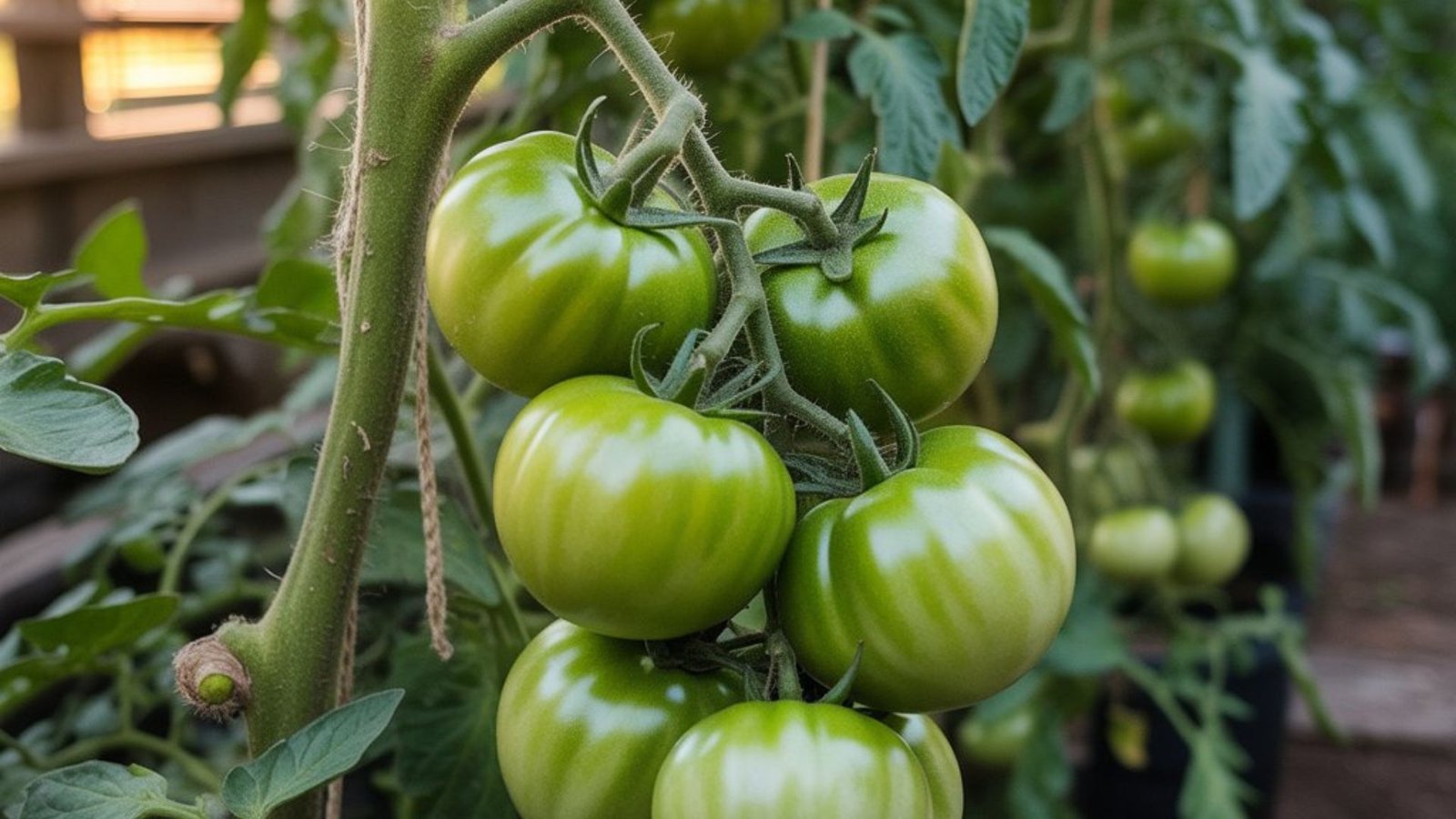
Tomatoes are a warm-season crop, and they ripen best under specific conditions. When things go wrong in the growth process, **tomato plant care** can become more challenging. Tomatoes need the right combination of temperature, sunlight, and nutrients to produce the chemical compounds that lead to ripening. If one of these elements is missing, the process can stall, leaving you with unripe fruit.
The **tomato ripening process** involves a number of changes. Chlorophyll, which makes tomatoes green, breaks down and is replaced by red pigments, like **lycopene** and **carotene in tomatoes**. These pigments give ripe tomatoes their signature color. But without the right conditions, these chemical reactions may not take place. So, understanding what causes this delay is crucial for solving the problem.
What Causes Tomatoes to Turn Red?
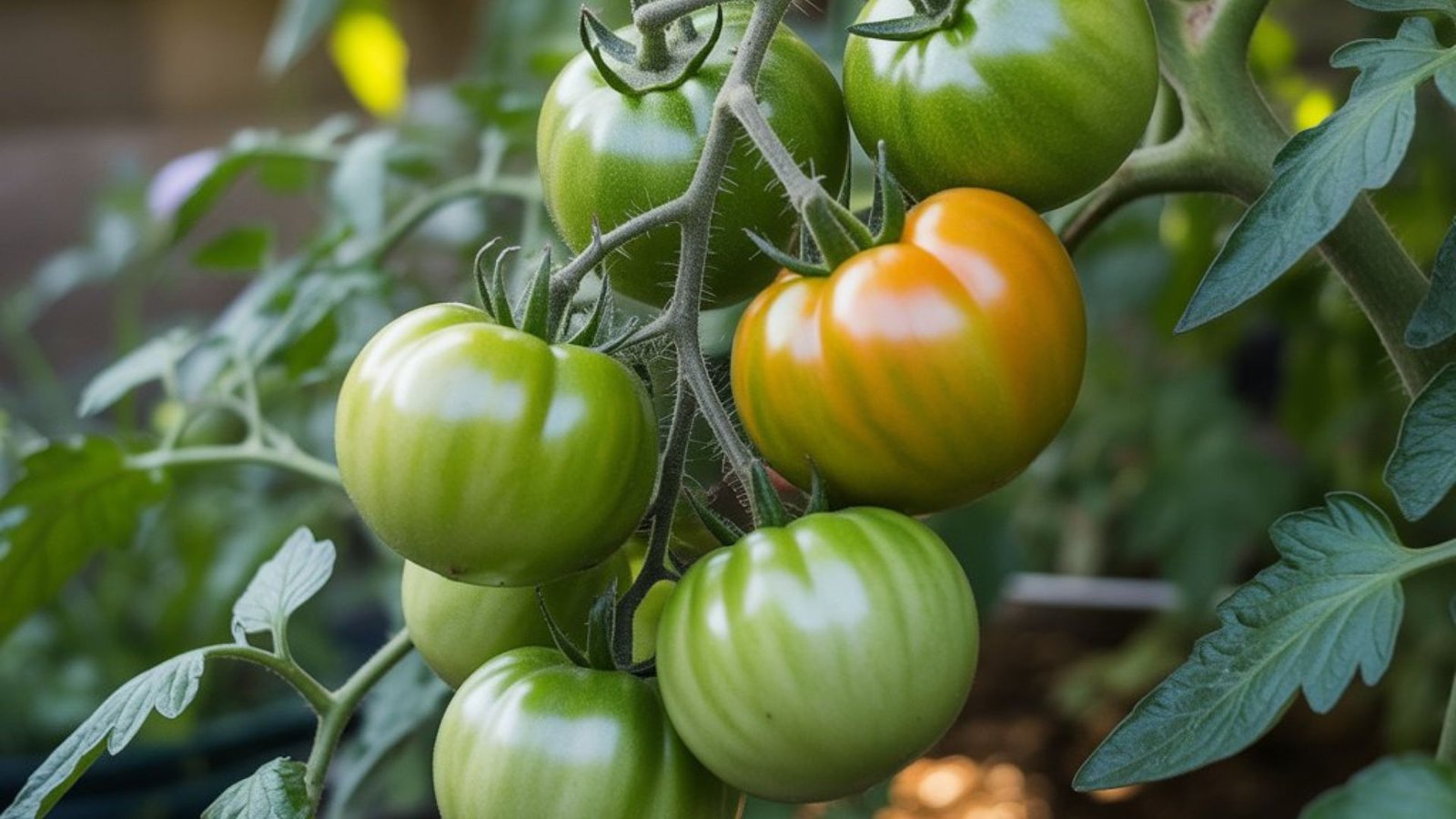
Before diving into the reasons your tomatoes not turning red, let’s first look at what causes tomatoes to ripen. **Ethylene gas**, a natural plant hormone, plays a key role in the ripening of tomatoes. It triggers the breakdown of chlorophyll and helps convert the sugars in the tomato into the rich, complex flavors we associate with ripeness. Tomatoes also need **full sun exposure for tomatoes**, which helps them generate the energy needed for ripening.
The ideal **tomato ripening temperature range** is between 70°F and 85°F (21°C to 29°C). Below or above this range, the plant struggles to produce the necessary **ethylene gas for fruit ripening**, slowing the process. Additionally, different **tomato plant varieties** ripen at different speeds, so knowing your specific variety can help you gauge when to expect your tomatoes to turn red.
Top 5 Reasons Tomatoes Won’t Ripen: The Key Factors
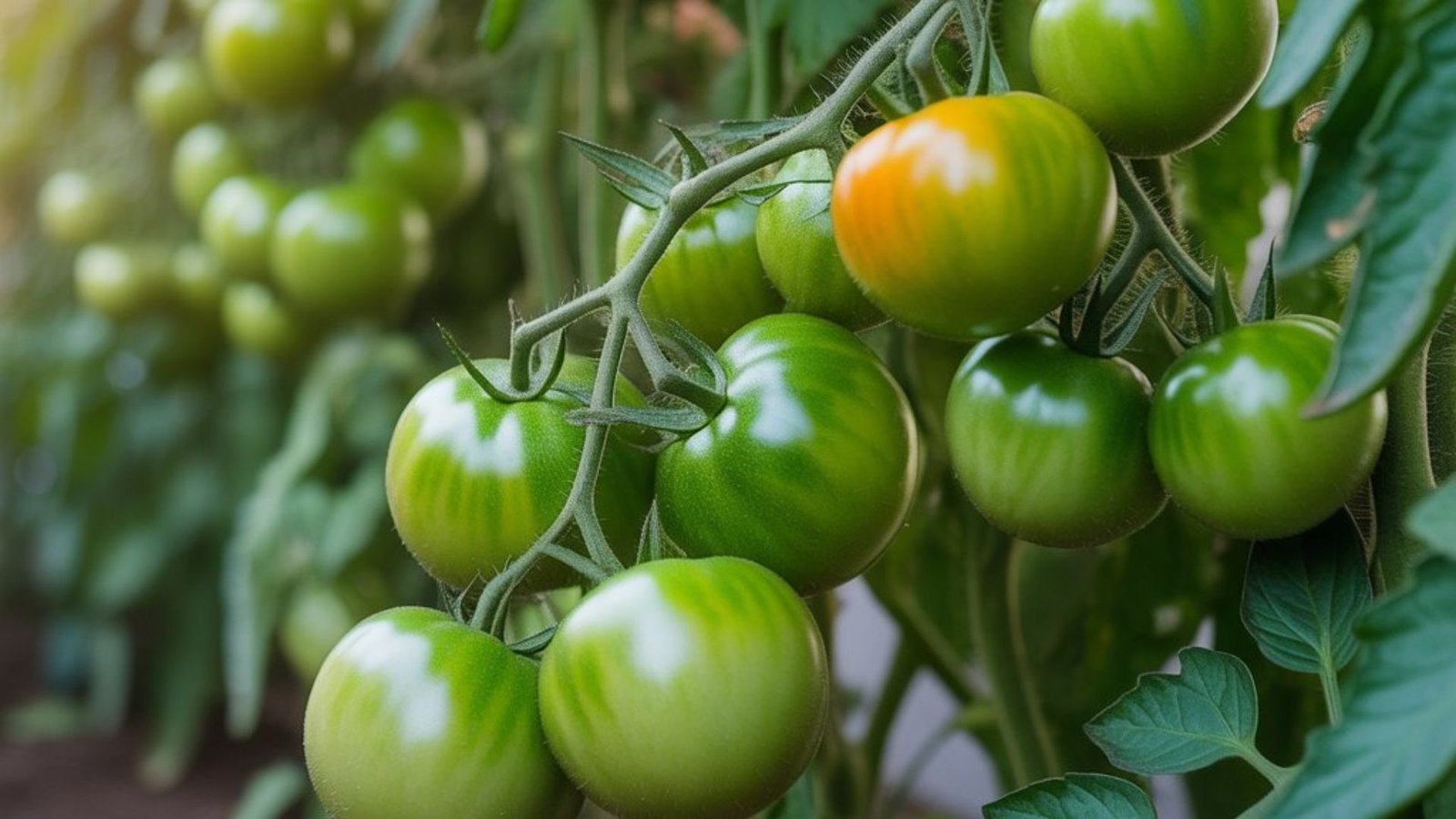
Understanding why tomatoes aren’t ripening is the first step to fixing the problem. Here are the top five reasons why your tomatoes may not be turning red.
1. Fluctuating Temperatures: The Impact on Tomato Ripening
One of the most common causes of ripening delays is **temperature control**. Tomatoes are sensitive to temperature changes. If it’s too cold or too hot, **tomato plant growth conditions** can be disrupted. Temperatures below 55°F (13°C) or above 90°F (32°C) will slow down the ripening process, making it hard for your tomatoes to develop that rich red color.
When temperatures fluctuate between hot days and cool nights, it can confuse the plant’s **ethylene gas** production, leading to slower ripening. To help your tomatoes, try to shield them from extreme weather, especially during the night. **Tomato temperature requirements** are essential for proper **tomato vine care**, and keeping your plants in a stable environment can encourage quicker ripening.
2. Immature or Underdeveloped Fruit: How Young Tomatoes Ripen
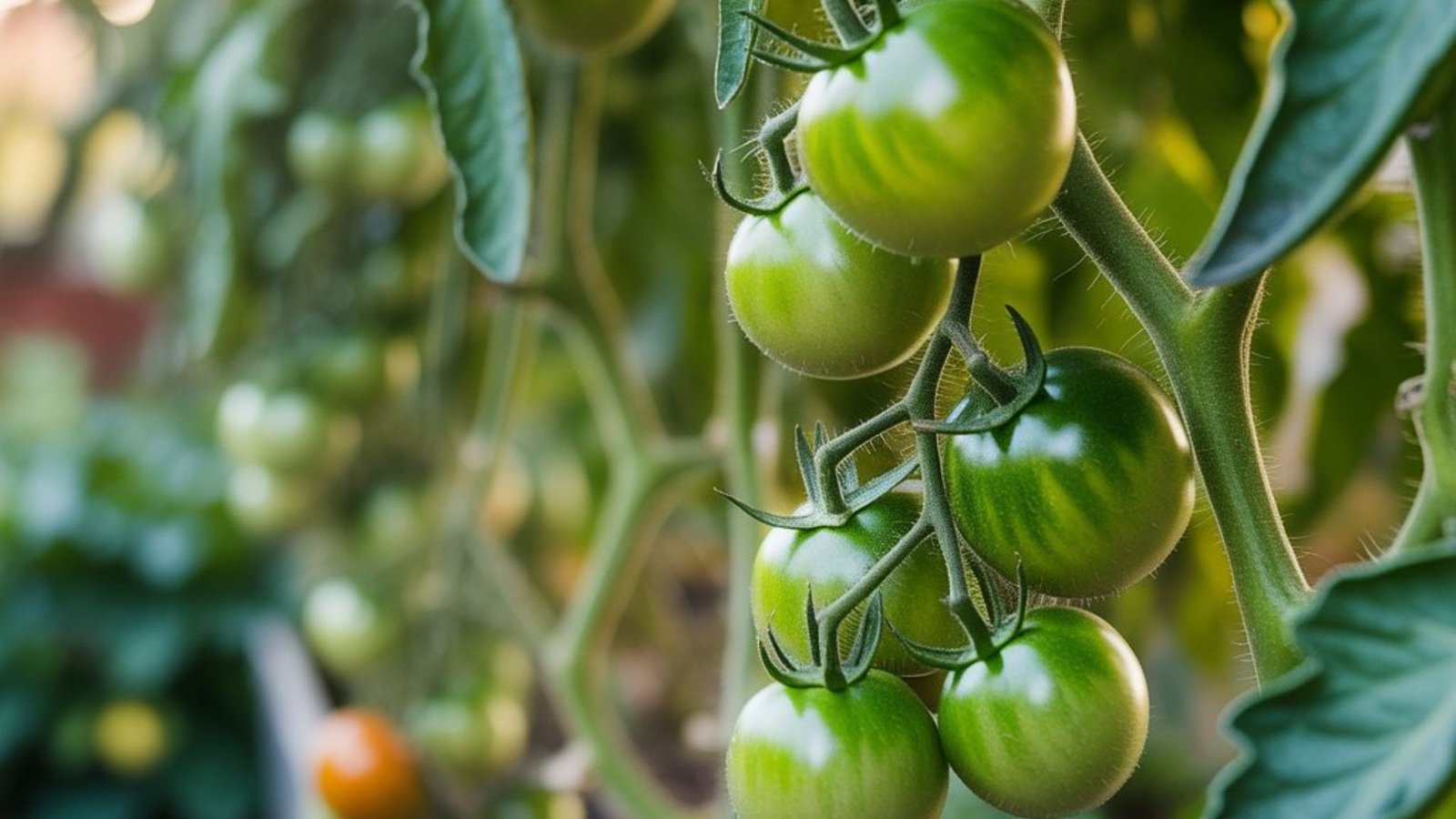
Another reason your tomatoes may not ripen is that they are still immature. Some tomatoes may look almost ready to ripen, but in reality, they are still in the early **tomato growth stages**. Immature tomatoes will never ripen properly, even under ideal conditions. This is often the case with early-season tomatoes or when plants have been stressed.
To avoid this, you should keep an eye on the size of your tomatoes. When they are still small and green, they are likely **immature tomatoes**, and it’s not time for them to ripen yet. If you find that your tomatoes haven’t reached the appropriate size for their variety, be patient and give them time to grow before expecting them to turn red.
3. Lack of Sunlight: The Role of Light in Tomato Ripening
Sunlight is a critical factor for **tomato ripening**. Tomatoes need **full sun exposure for tomatoes**—at least six to eight hours of direct sunlight each day—to ripen properly. Without enough sunlight, the process of converting sugars and **carotene in tomatoes** into the pigments that make them red slows down.
Inadequate sunlight also results in **sun scald in tomatoes**, a condition where the skin of tomatoes turns pale or yellowish, making it harder for them to ripen naturally. If you’re growing tomatoes in an area with limited sunlight, consider moving your plants or pruning any leaves that might block light from reaching the fruit. Giving your tomatoes as much sunlight as possible can help them ripen faster and develop their full flavor.
4. Improper Soil Nutrients: Can Soil Affect Tomato Ripening?
The health of your soil plays a significant role in **tomato growth and fruit production**. If your soil is lacking essential nutrients, it could slow down the ripening process. **Phosphorus in tomato fertilizer** is particularly important for promoting flower and fruit development, which are the first steps in **tomato growth stages**. If your soil is deficient in nutrients, the plant may focus more on growing leaves and stems, rather than ripening fruit.
A good balance of nitrogen, phosphorus, and potassium is crucial for healthy tomato plants. If your tomatoes aren’t ripening, consider testing your soil and adding the appropriate **tomato fertilizer types** to encourage ripening. Over-fertilizing with nitrogen, in particular, can promote leafy growth at the expense of fruit production, delaying ripening.
5. Lack of Pruning and Overcrowding: Preventing Proper Airflow
Pruning is another important part of **tomato plant care**. If your tomato plants are overcrowded or haven’t been pruned properly, they might not ripen well. Overcrowding can block airflow around the plant, trapping moisture and heat that can prevent the fruit from ripening evenly.
Pruning tomato plants** is essential for ensuring proper airflow, especially when you’re dealing with **indeterminate tomatoes** that keep growing throughout the season. By removing unnecessary leaves and branches, you allow more sunlight to reach the fruit, which can help it ripen more quickly. For **determinate tomatoes**, **indeterminate tomato pruning** methods will differ, but the principle remains the same: improving airflow and light exposure is key to faster ripening.
Expert Tips for Accelerating Tomato Ripening
Once you’ve identified the cause of your tomatoes not ripening, there are several strategies you can use to speed up the process. **Ethylene exposure for ripening** is one of the most effective methods. You can place green tomatoes in a paper bag with a ripe apple, as apples produce ethylene gas, which triggers ripening. You can also try placing tomatoes on a windowsill where they can receive warmth and sunlight.
If you’re looking to ripen tomatoes indoors, ensure they are stored in a warm area with good airflow. Avoid putting them in direct sunlight, as this can cause **sun scald in tomatoes**. Keep checking the tomatoes every few days, and as soon as they show signs of turning red, use them in your favorite recipes.
How Long Does It Take for Tomatoes to Turn Red?
On average, tomatoes take anywhere from 5 to 14 days to ripen, depending on the variety and environmental factors. However, certain **tomato varieties** ripen faster than others. For example, small cherry tomatoes ripen quicker than larger beefsteak varieties. **Tomato harvesting time** also varies based on the growing conditions, such as the amount of sunlight and the overall health of the plant.
In warmer climates, tomatoes can ripen faster, while cooler climates can extend the ripening process. If you notice that your tomatoes are taking longer than expected, it’s important to review the environmental conditions, such as temperature fluctuations and sunlight availability.
5 Ways to Help Tomatoes Ripen Indoors
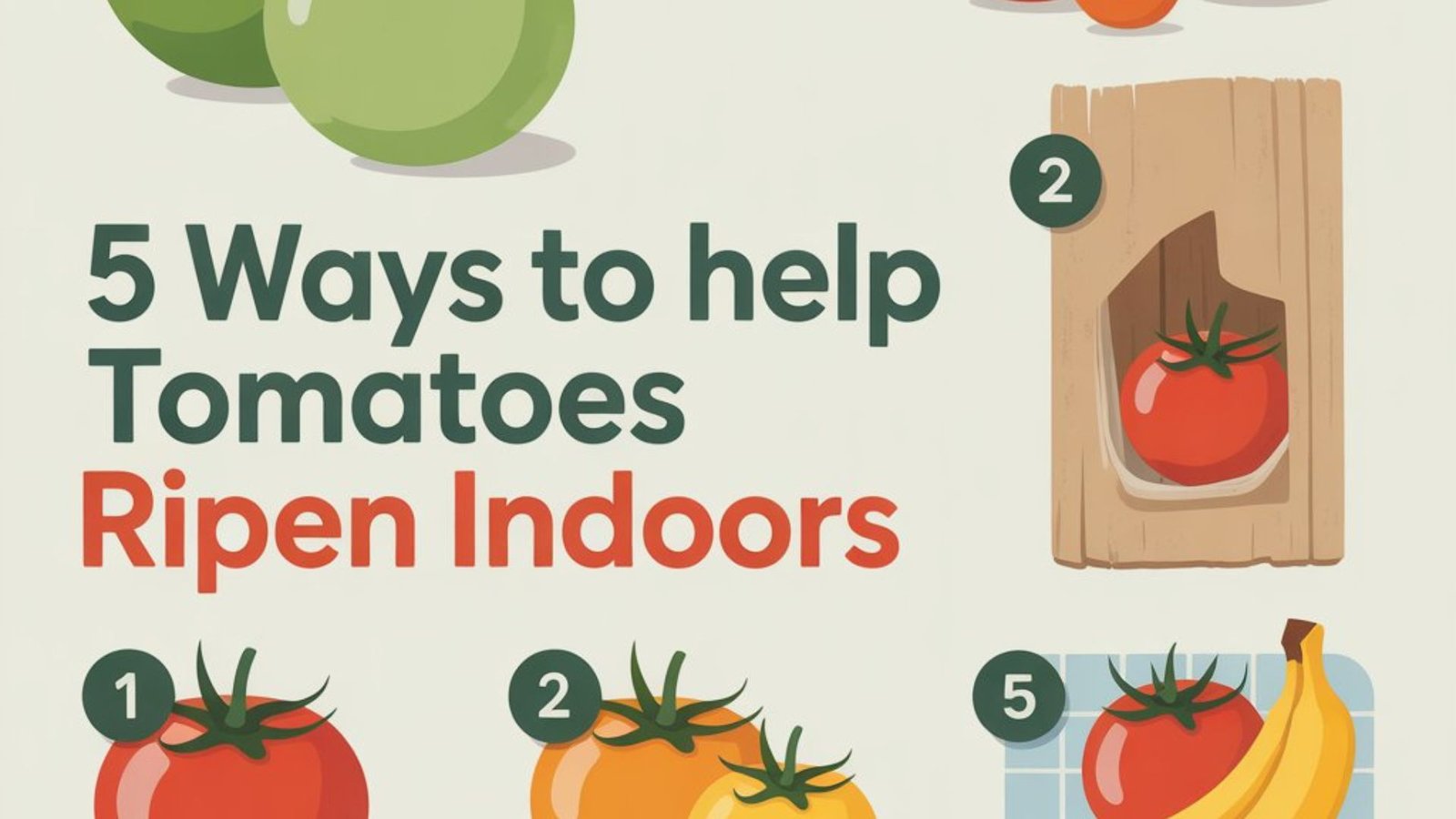
If outdoor conditions aren’t ideal, you can always ripen your tomatoes indoors. A warm, dry area with good airflow is essential for encouraging the ripening process. Using a **ripening box** or placing tomatoes in a paper bag can help concentrate ethylene gas and speed up the process.
Additionally, if you’re dealing with **immature tomatoes**, picking them off the vine and allowing them to ripen indoors is a great option. Keep in mind that tomatoes should only be picked **when they are mature enough**, so they have the necessary sugars to develop flavor once ripened indoors.
How to Properly Store Ripened Tomatoes for Maximum Freshness
Once your tomatoes have ripened, proper storage is essential to maintain their freshness. Store ripe tomatoes at room temperature and avoid placing them in the refrigerator, as cold temperatures can negatively impact their flavor and texture. If you have more tomatoes than you can eat at once, consider preserving them by freezing or canning.
For the best flavor, it’s recommended to use ripe tomatoes within a few days. Overripe tomatoes can be used in sauces, soups, or preserved for longer storage.
Creative Ways to Use Green Tomatoes Before They Ripen
If you have tomatoes that are still green and not showing any signs of ripening, don’t throw them away! There are many creative ways to use **green tomatoes**, such as making fried green tomatoes, chutneys, or pickles. These dishes are a great way to enjoy your harvest before the frost sets in.
What to Do Before and After Tomatoes Ripen
Before ripening, ensure your tomatoes are healthy and well-cared for. Regular pruning, proper watering, and fertilizing with the right nutrients are essential for healthy growth. After your tomatoes ripen, be sure to handle them gently to avoid bruising, and store them properly for maximum flavor.
Conclusion: Ensuring Your Tomatoes Turn Red and Ripen Properly
If your tomatoes are struggling to ripen, identifying the cause and taking action is the first step toward solving the problem. Whether it’s adjusting the **tomato temperature requirements**, ensuring proper **sunlight exposure**, or improving **tomato vine care**, there are many ways to help your tomatoes ripen faster. Tomatoes not turning red if sun light will be low . By applying these **tomato ripening tips** and practicing proper care techniques, you’ll be well on your way to a healthy and bountiful tomato harvest.
FAQs
1. What to do if tomatoes are not turning red?
Try moving them to a warmer, sunnier spot, or place them in a paper bag with a ripe fruit to speed up ripening.
2. Will tomatoes turn red in September?
Yes, but it depends on the weather—if temperatures are warm enough, they should ripen, especially in late summer.
3. Why is it taking so long for my green tomatoes to turn red?
Cool temperatures, insufficient sunlight, or the variety of tomato may be delaying ripening.
4. Can you pick green tomatoes and let them ripen?
Yes, you can pick them and place them in a warm area or use ethylene-producing fruits (like apples) to speed up ripening.
5. Why are my tomatoes still green on the vine?
Lack of warmth, too much rain, or the plant may be stressed, slowing down the ripening process.