
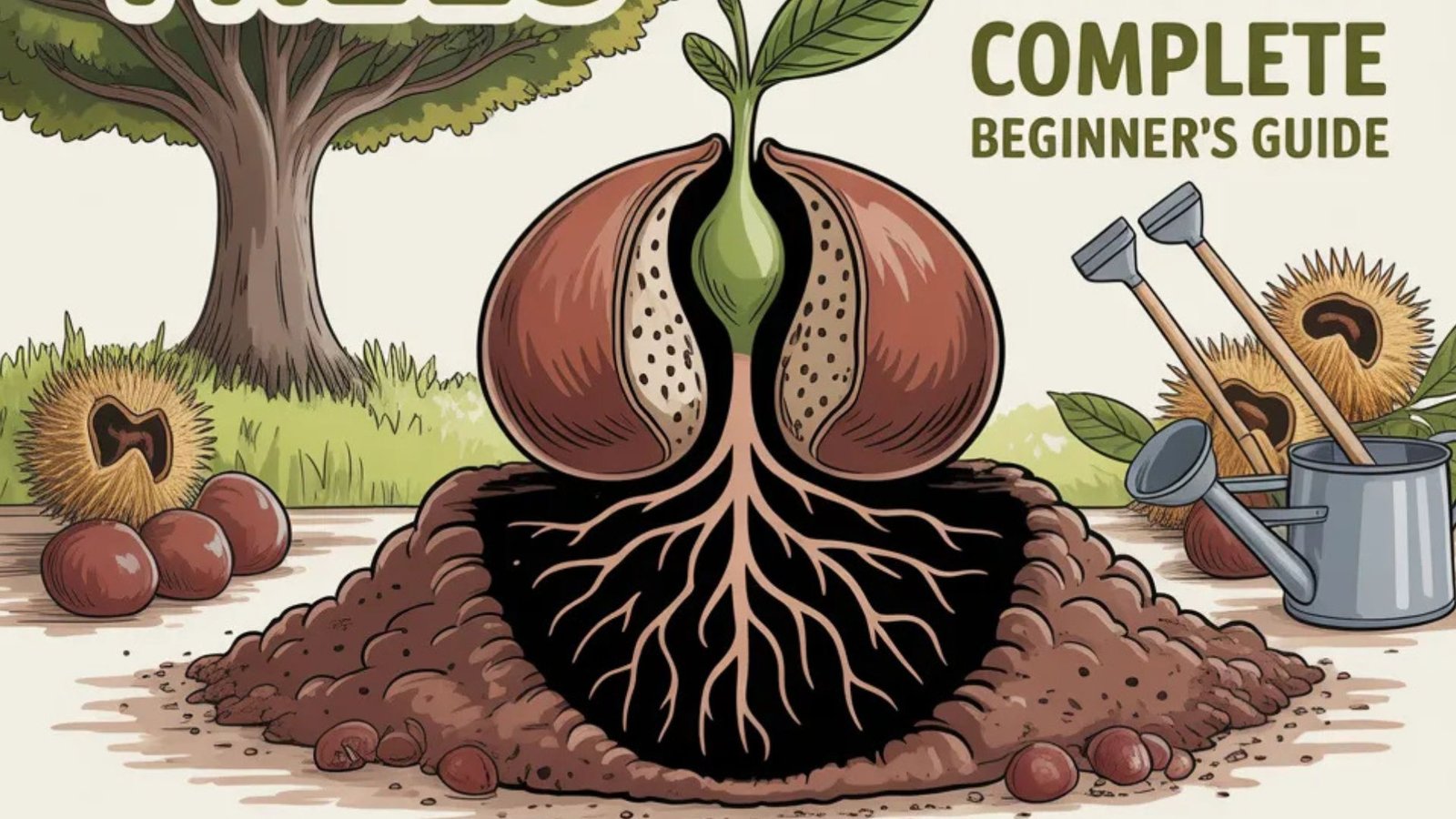
Propagating chestnut trees from seed is an exciting way to grow your own backyard chestnut trees while contributing to American forest restoration. Starting with seeds allows beginners to experience the full chestnut tree propagation process, from germination to chestnut tree seedlings that will eventually produce nuts.
By using resistant chestnut varieties, you can ensure your trees are protected from the chestnut blight fungus that once devastated native forests. Understanding how to select healthy seeds, prepare them properly, and care for young seedlings is crucial for long-term success. With patience and proper techniques, anyone can enjoy growing strong, productive chestnut trees in the United States.
Types of Chestnut Trees and Suitable Varieties
Several species of chestnut trees are suitable for propagation. The American chestnut is native to the USA and has historical importance in American forest restoration. Other species include the Chinese chestnut, known for its chestnut blight resistance, and hybrids that combine the traits of multiple species. Choosing the right species depends on climate, soil type, and your gardening goals. Native tree species like the American chestnut are ideal for restoration projects, while hybrids are often preferred in home gardens for their nut yield and disease resistance.
Selecting the correct variety ensures success in chestnut tree cultivation. For instance, some varieties produce larger mature chestnut nuts, while others are more drought-tolerant or resistant to chestnut blight fungus. Beginners should consider planting multiple varieties to increase pollination success and maximize chestnut nut germination rates.
How to Collect and Select Healthy Chestnut Seeds
Collecting mature chestnut nuts at the right time is critical for successful propagation. Look for nuts that fall naturally from the spiky chestnut husk, as they indicate ripeness. Avoid seeds that are cracked, moldy, or insect-infested. Using seeds from a healthy chestnut tree that is at least ten years old increases your chances of strong chestnut tree growth. Proper collection timing ensures that the nuts retain their nutrients for better germination.
When selecting seeds, inspect each spiky chestnut husk carefully and discard damaged ones. Healthy seeds are plump, firm, and free from blemishes. Storing them in a cool, ventilated place before planting preserves moisture and prevents mold. Many gardeners soak seeds in water for 24 hours to identify viable seeds, as those that sink are generally ready for planting in well-draining soil. propagating chestnut trees from seed is very easy way.
Preparing Chestnut Seeds for Germination
Before planting, chestnut seeds require preparation to boost the germination rate. Start by cleaning the seeds to remove husk remnants and dirt. Stratification, a process of cold treatment, mimics winter conditions and helps seeds break dormancy. Place seeds in a moist soil mixture or wrap them in damp paper towels inside a sealed bag in the refrigerator for 30–60 days. This step ensures strong root development and healthier chestnut tree seedlings.
Using a sand and peat mix in pots or trays during germination provides the ideal balance of moisture and drainage. Avoid waterlogged conditions that could cause mould growth or rot. Keep seeds in indirect sunlight during this period and check moisture regularly. Seeds should begin sprouting roots within a few weeks, indicating they are ready for planting.
Planting Chestnut Seeds in Pots
Planting seeds in pots gives you control over the early growth of your chestnut tree seedlings. Choose containers with drainage holes and fill them with a well-draining soil mix. Plant each seed about one inch deep, with the pointed end facing downward. Ensure the pots are placed in a sunny planting site with indirect light to prevent scorching young seedlings. Regular watering and misting keep the soil consistently moist without creating soggy conditions.
Using pots allows you to monitor root development closely. Once seedlings grow their first true leaves and develop strong roots, you can transplant them into larger containers or prepare them for outdoor planting. Starting in pots also protects young seedlings from pests and harsh weather, giving them the best chance to thrive. propagating chestnut trees from seed read this article .
Planting Chestnut Seeds Directly in the Ground
Direct seeding chestnuts outdoors is closer to natural propagation. Choose a location with full sun and well-draining soil. Dig a hole about 2 inches deep for each mature chestnut nut and cover it gently with soil. Proper spacing, usually 12–15 feet between trees, ensures room for chestnut tree growth and good airflow to reduce disease risk. Planting outdoors also encourages natural root establishment.
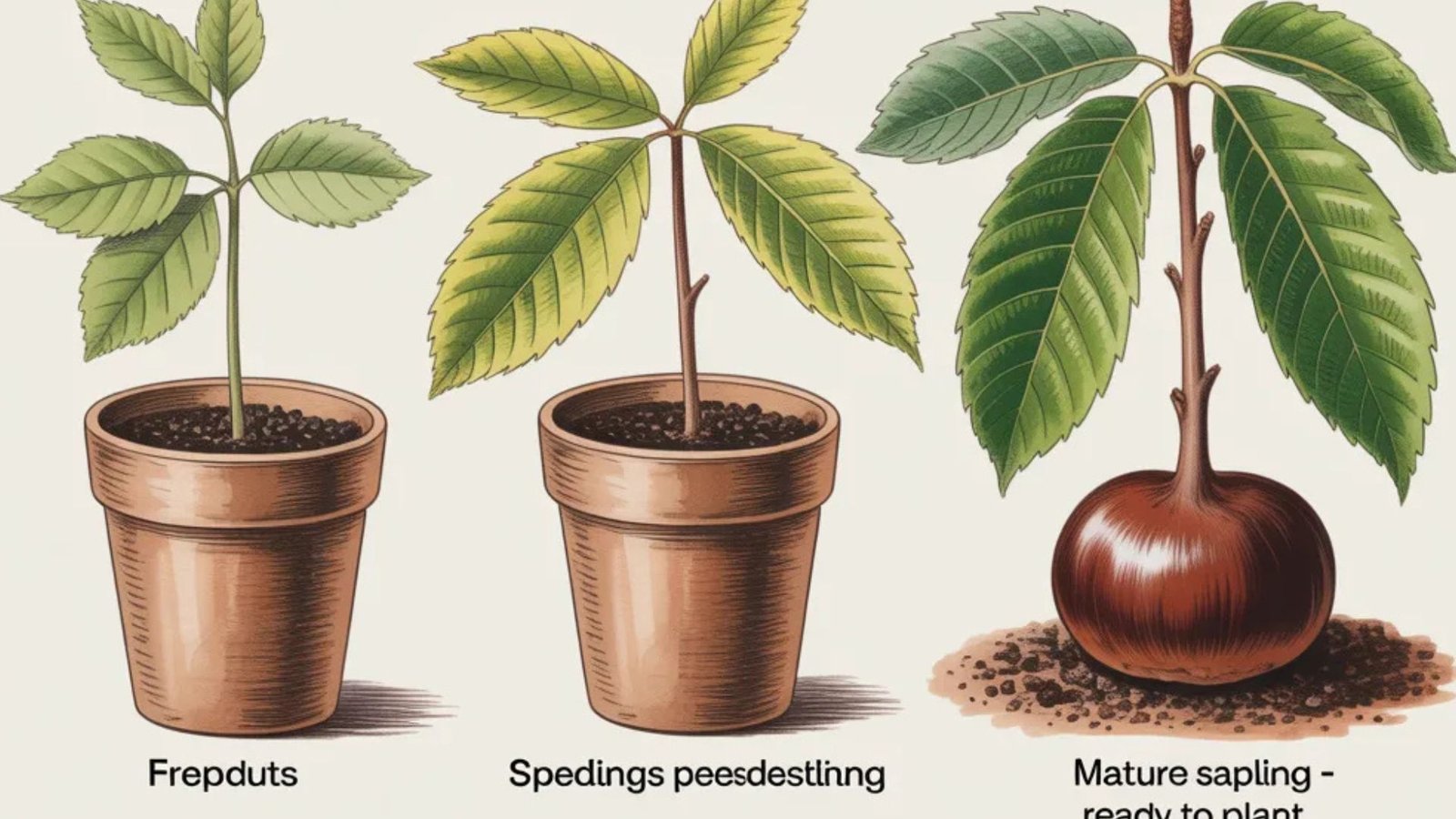
Monitoring soil moisture is important, especially during the first year. Avoid wet ground risk, as excessive water can lead to rancid nuts or seed rot. Protect seeds from wildlife that may eat them, and mark the planting locations to track progress. With time, your seeds will develop into strong chestnut tree seedlings, ready for long-term growth.
Caring for Chestnut Seedlings and Young Trees
Young chestnut tree seedlings need consistent care to develop into healthy trees. Regular watering and misting help maintain moisture, especially in dry climates. Mulching around seedlings retains soil moisture and prevents weeds. Fertilizing with balanced nutrients supports chestnut tree growth, while pruning encourages strong branches and good structure. For backyard chestnut trees, staking may be necessary to protect young seedlings from wind.
Sunlight is critical; place seedlings in areas with full sun exposure whenever possible. Protect trees from pests, including deer or insects, that may feed on leaves. Observing growth stages and adjusting care ensures that your healthy chestnut tree develops a strong root system, preparing it for transplanting into a permanent location.
Common Problems, Pests, and Diseases in Chestnut Trees
Chestnut trees can face challenges from chestnut blight fungus, insects, and root diseases. Pest and bird damage can affect young seedlings, while fungal infections may reduce nut quality. Using resistant chestnut varieties and good hygiene with sterilized garden tools minimizes risk. Monitoring trees regularly helps identify problems early.
Other issues include improper watering, soil compaction, or poor sunlight. Addressing these promptly can prevent mold growth and other diseases. Organic treatments and proper spacing improve air circulation and tree health, ensuring strong chestnut tree reproduction and long-term survival.
Chestnut Tree Growth, Harvesting, and Storage
Chestnut tree growth progresses over several years before reaching nut production. Most American chestnut restoration trees take 4–7 years to produce nuts. When mature chestnut nuts fall naturally from the spiky chestnut husk, they are ready for harvest. Harvest nuts promptly to avoid pest and bird damage or mold. Curing the nuts by spreading them in a well-ventilated area ensures proper drying and flavor development. propagating chestnut trees from seed is very easy modern way.
Storing chestnuts in cool, dry conditions prolongs shelf life. Whole nuts last longer than shelled nuts and can be kept for months in refrigeration and freezing. Proper storage preserves taste and nutrition for future use in cooking, baking, or propagation.
Tips for Successful Chestnut Tree Cultivation and Long-Term Growth
Successful cultivation relies on attention to detail. Choose resistant chestnut varieties, maintain well-draining soil, and plant in sunny planting sites. Protect young trees from pests and monitor water regularly. Regular pruning encourages strong branch structure, improving chestnut nut germination in future generations.
Avoid common mistakes, such as overwatering, poor soil, or planting seeds too close together. Combining chestnut seed propagation with knowledge of rooting chestnut cuttings can accelerate tree growth. With patience and proper care, you can enjoy a thriving backyard chestnut tree orchard and contribute to American forest restoration.
Conclusion
Propagating chestnut trees from seeds is simple, rewarding, and ideal for beginners. By selecting healthy chestnut tree seeds, preparing them correctly, and providing proper care, you can grow strong chestnut tree seedlings that produce nuts for years. Combining patience, proper planting, and attention to chestnut tree growth ensures a successful chestnut tree cultivation journey. With dedication, you contribute to American forest restoration while enjoying the benefits of homegrown, nutritious chestnuts.
FAQs
Q: Can I grow a chestnut tree from seed?
A: Yes, you can grow a chestnut tree from seed using healthy mature chestnut nuts and proper germination techniques.
Q: How long does it take for a chestnut tree to produce from seed?
A: Chestnut trees usually take 4–7 years from seed to start producing chestnut nuts.
Q: How do you propagate a chestnut tree?
A: You can propagate a chestnut tree by direct seeding chestnut or using chestnut tree cuttings with rooting hormone powder.
Q: Are chestnut trees easy to grow?
A: Yes, they are relatively easy if planted in well-draining soil with adequate sunlight and regular chestnut tree care.
Q: What is the lifespan of a chestnut tree?
A: Healthy chestnut trees can live 50–200 years depending on species, climate, and care.