
Gardening in clay soil can be both challenging and rewarding. While this type of soil retains nutrients well, its compact nature often leads to poor drainage, which can cause root rot and hinder plant growth. However, with the right plants and soil management, a clay soil garden can thrive. Many plants are naturally adapted to clay soil conditions and can flourish if given proper care. Plants that grow well in clay soil are here.
In this article, we’ll explore the best plants for heavy clay soil, focusing on those that tolerate compacted, waterlogged conditions. We’ll also share tips for improving your soil and selecting the right plants that grow well in clay soil ensuring your garden is both beautiful and healthy.
What is Clay Soil and Why Does It Matter for Gardening?
Clay soil is made up of very fine particles that are tightly packed together. When wet, it becomes sticky and heavy, and when dry, it becomes hard and compact. These conditions make it difficult for water to move through the soil, which can lead to poor drainage. Clay soil can retain a lot of nutrients, but because of its structure, it often holds too much water, which can suffocate plant roots.
Understanding how clay soil affects plant growth is crucial. Plants in clay soil can struggle with root development due to poor aeration and lack of water drainage. That’s why choosing the right plants that are adapted to clay soil conditions is essential. You also need to consider clay soil amendments to improve the soil’s texture and drainage.
How to Improve Clay Soil for Better Plant Growth
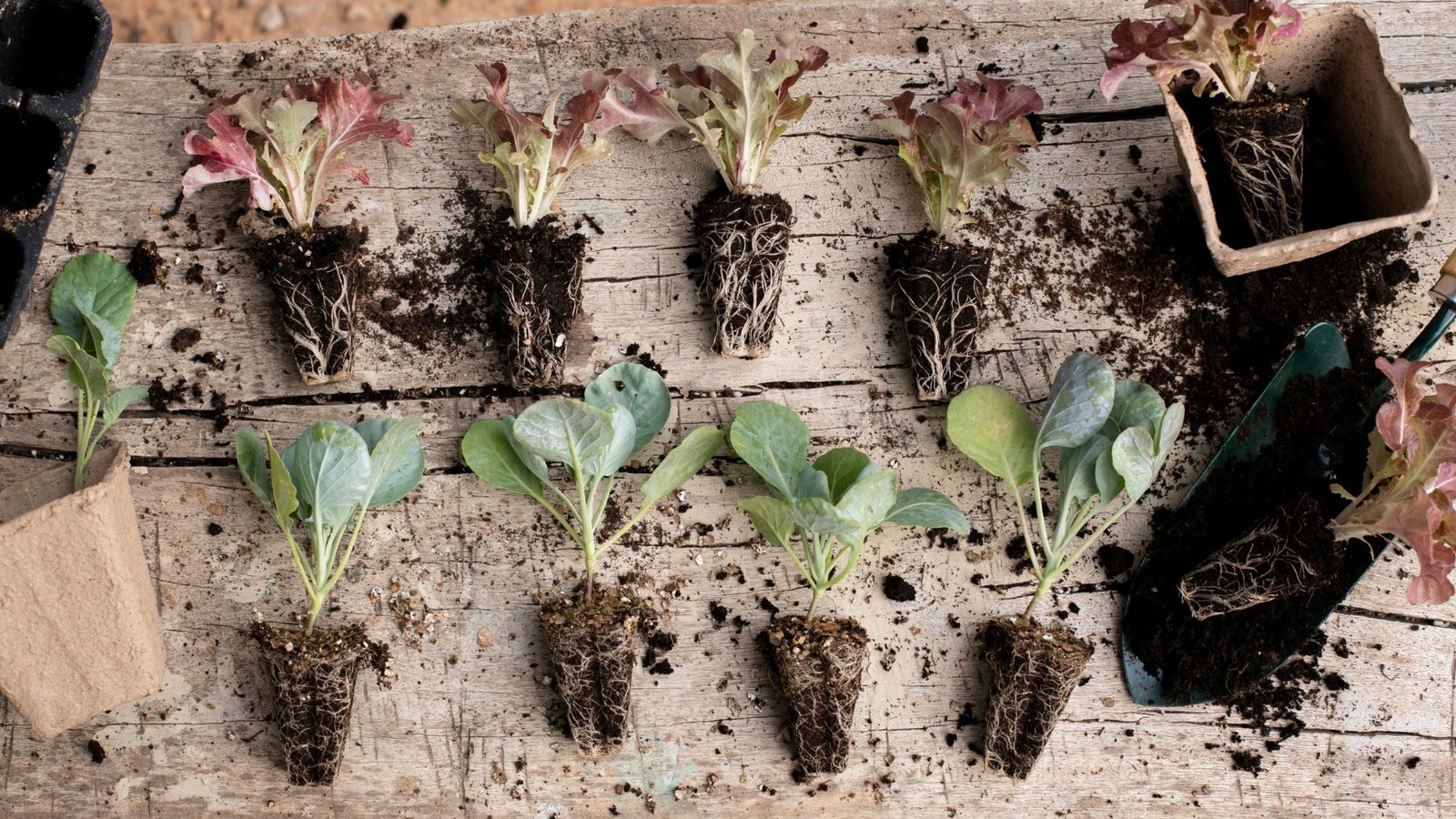
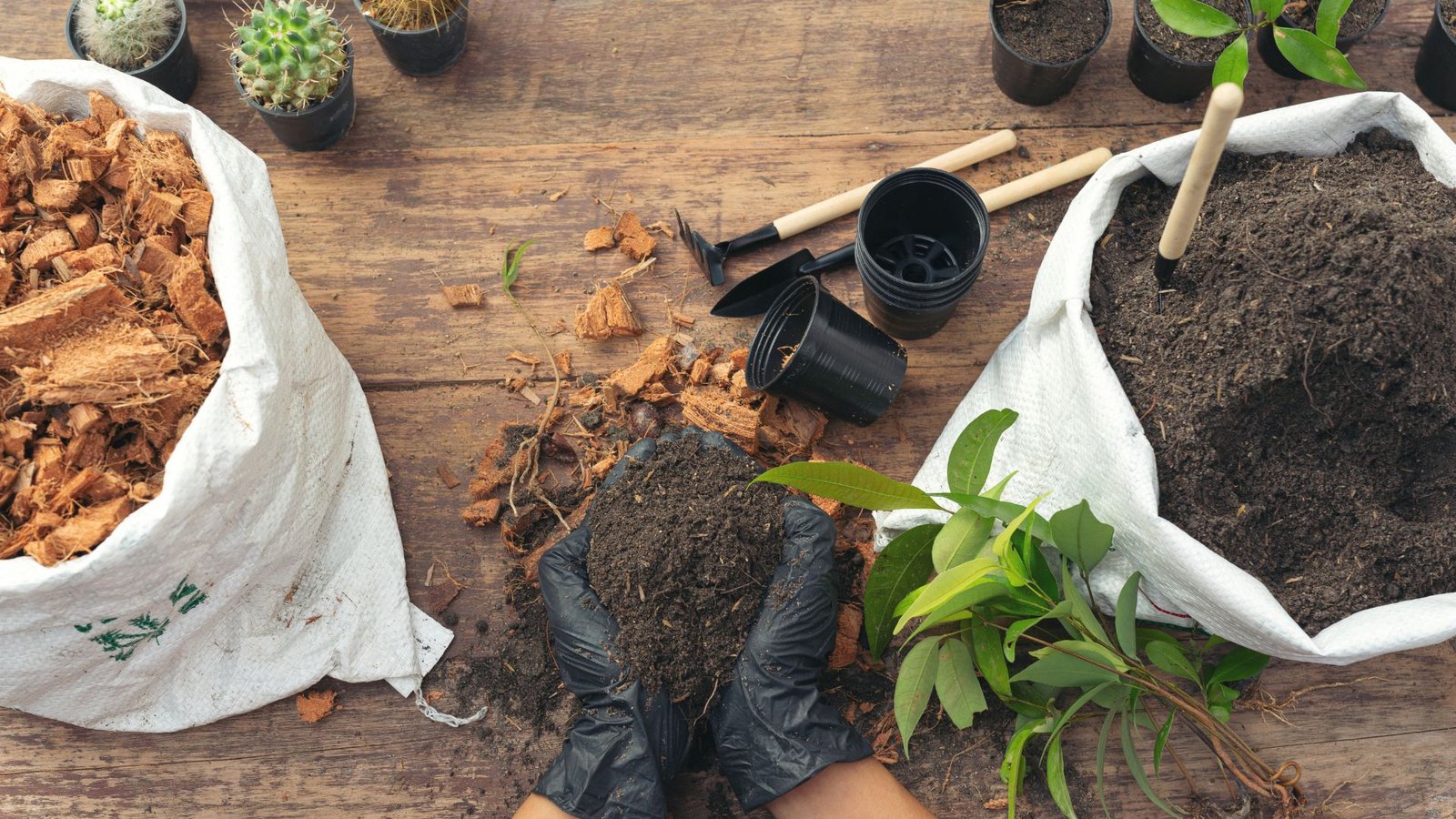
To successfully grow plants in clay soil, you’ll first need to amend clay soil to improve its structure. The best way to do this is by adding organic matter for clay soil, like compost, mulch, or well-rotted manure. These materials help break up the clay particles, improving soil structure and clay soil drainage solutions.
Improving clay soil for plants can also be done by aerating the soil. You can use a garden fork or tiller to loosen the soil and allow better airflow to the plant roots. A good mix of organic matter for clay soil not only enhances drainage but also provides essential nutrients that will benefit your plants.
Best Trees for Clay Soil Gardens
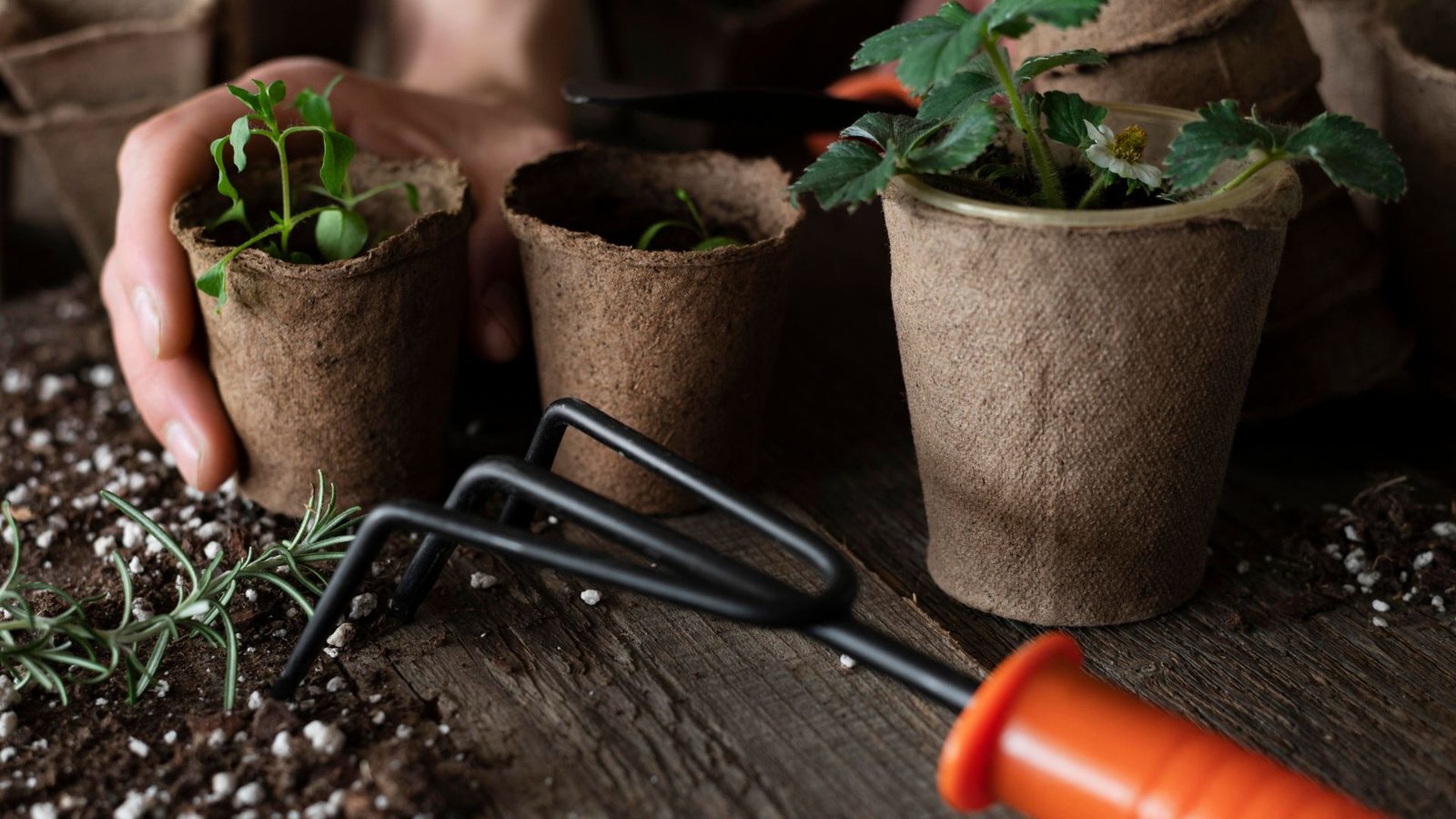
When planting trees in clay soil gardens, it’s important to choose species that can handle the challenges of clay. Some trees, like the Arborvitae and Crabapple, grow well in heavy, compacted soil. Trees that grow in clay soil are generally those that have deep root systems and can tolerate periods of wetness without rotting.
In addition to Arborvitae and Crabapple, trees such as Dogwood and Magnolia are also great choices for a clay soil garden. These trees can thrive in clay soil when properly amended, and they offer beauty, shade, and seasonal interest. It’s important to plant them slightly high to prevent waterlogging and root rot.
Best Perennials for Clay Soil
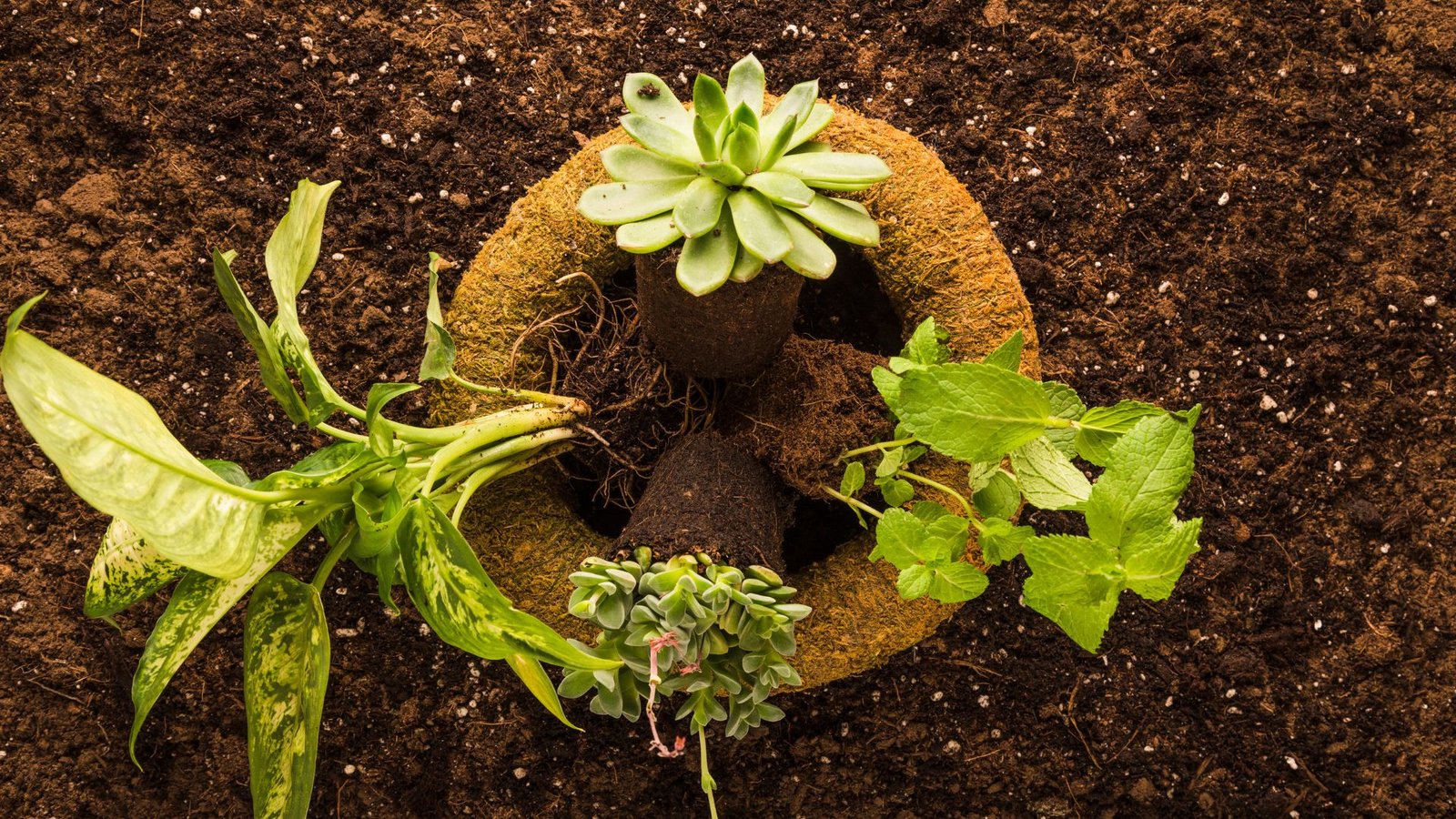
Perennials for clay soil are a great addition to your garden because they return year after year. Coneflower, Black-eyed Susan, and Aster are some of the best perennials for clay soil. These plants are not only beautiful but also hardy, able to tolerate the challenges of clay soil conditions.
To ensure healthy growth, it’s crucial to amend clay soil with compost and other organic matter. This will improve soil structure and help these perennials thrive. When growing perennials in clay soil, make sure the plants are spaced properly and that the soil is not too compacted to allow for root expansion.
Flowering Shrubs and Plants That Thrive in Clay Soil
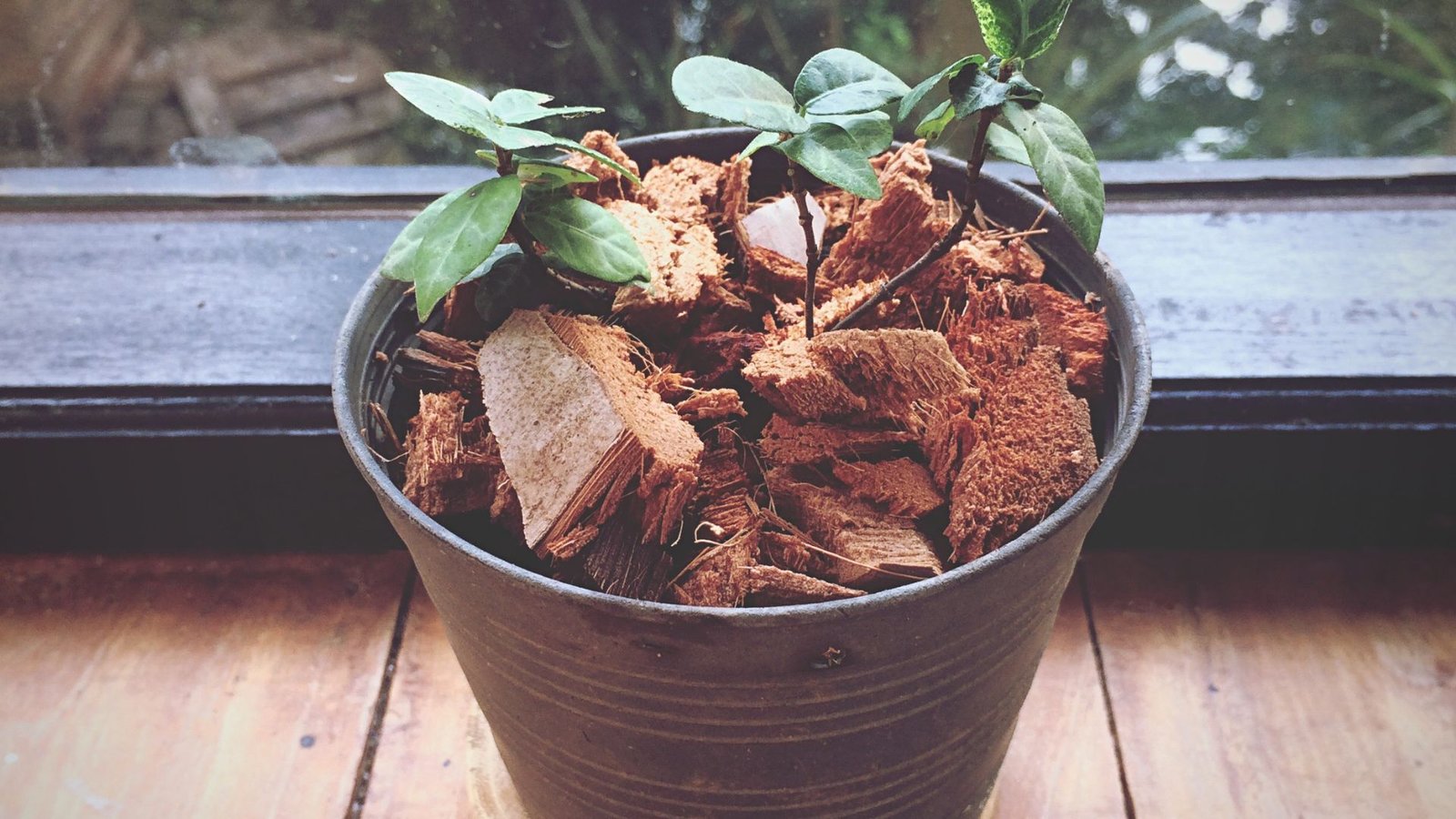
If you’re looking for best shrubs for clay soil, consider species like Chokeberry, Spirea, and Viburnum. These shrubs can tolerate clay’s heavy texture and offer vibrant blooms during the spring and summer months. Flowering shrubs not only beautify your garden but also provide seasonal color and interest.
For a clay soil garden, you’ll want to focus on plants that are adaptable to moisture retention. While these shrubs need good drainage, they will thrive if the clay soil is well-amended and not waterlogged. Consider mixing different shrubs to create a layered, diverse landscape.
Groundcovers and Low-Maintenance Plants for Clay Soil
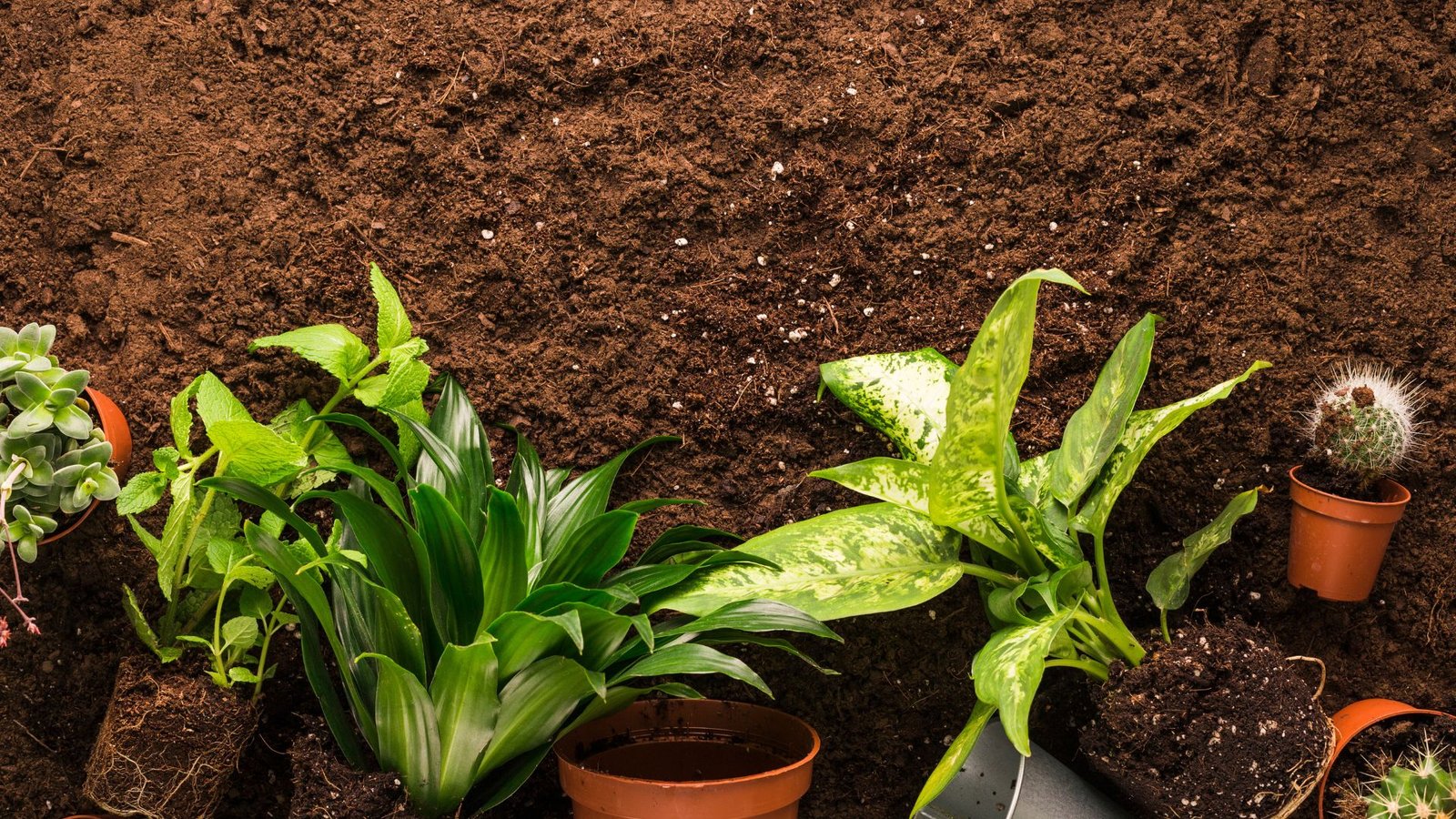
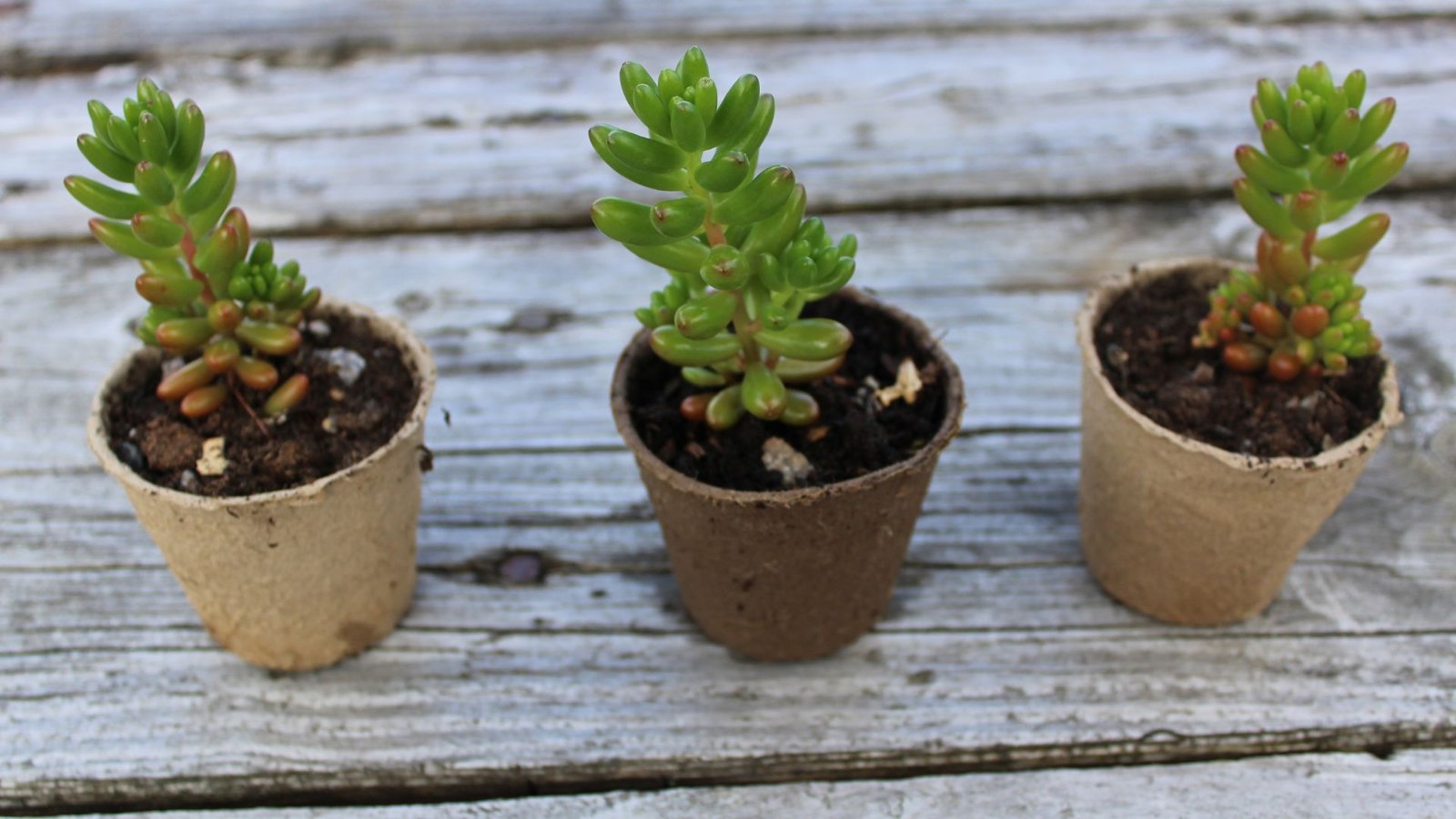
Ground covers for clay soil are perfect for filling in large areas without needing much maintenance. Plants like Creeping Jenny, Sedum, and Daylilies are excellent choices for covering the ground and preventing soil erosion. These plants are not only durable but can withstand the compacted nature of clay soil.
When choosing ground covers for clay soil, it’s important to consider water requirements and sunlight exposure. Some plants, like Sedum, are drought-tolerant and thrive in less fertile, compacted clay soil. These plants help improve the overall look of your garden while keeping it low-maintenance.
Best Drought-Tolerant Plants for Clay Soil
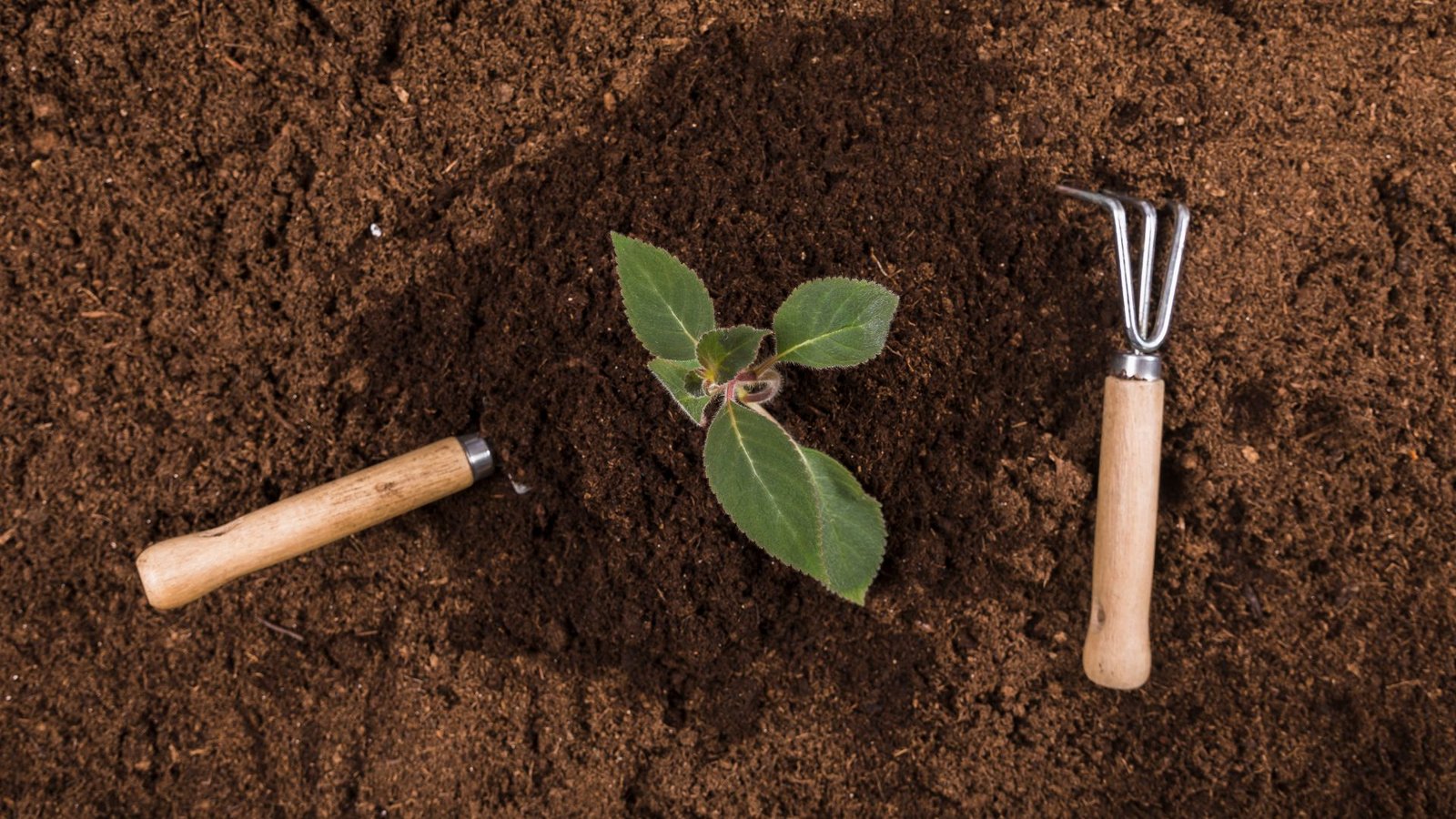
Even in clay soil, you can grow drought-tolerant plants. Russian Sage, Switchgrass, and Milkweed are perfect examples of drought-tolerant plants for clay soil. These plants need little water once established, making them an excellent choice for a low-maintenance garden.
Drought-tolerant plants like Russian Sage are adapted to lean, well-drained soil, so they can tolerate the slow-draining nature of clay soil as long as the soil isn’t overly waterlogged. For successful growth, it’s best to amend the soil with organic material and ensure proper drainage.
Best Flowering Plants for Clay Soil
Best flowering plants for clay soil include Hydrangea, Aster, and Blazing Star. These plants can handle the challenges of clay soil and still produce beautiful blooms. However, for optimal flowering, make sure the soil is amended properly to allow for good root development and drainage.
Many of these plants are also great for attracting pollinators, making them a good choice for a pollinator-friendly garden. A well-amended clay soil garden will help these flowering plants thrive and ensure vibrant blooms season after season.
How to Deal with Common Problems in Clay Soil Gardening
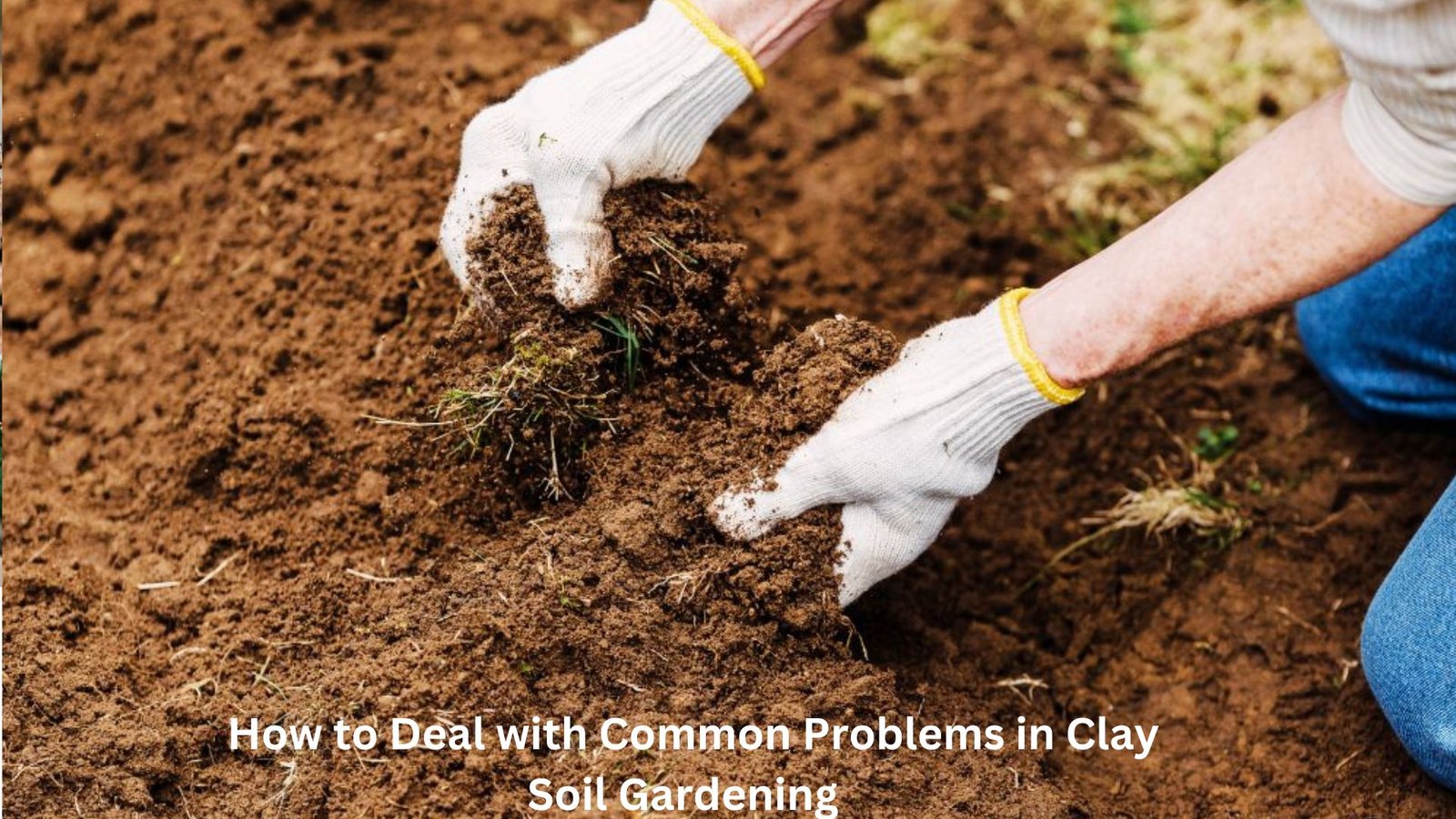
Clay soil can lead to several problems, such as root rot and poor drainage. To tackle these issues, amend the soil with organic matter for clay soil to help improve its texture and prevent waterlogging. Clay soil drainage solutions like using raised beds or creating mounds can also help reduce the risk of root rot.
When gardening in clay soil, it’s essential to avoid growing in compacted clay soil. If the soil becomes too hard, the roots won’t be able to grow properly. You can solve this by aerating the soil regularly and adding a layer of mulch to retain moisture and prevent soil compaction.
Conclusion: Building a Thriving Garden in Clay Soil
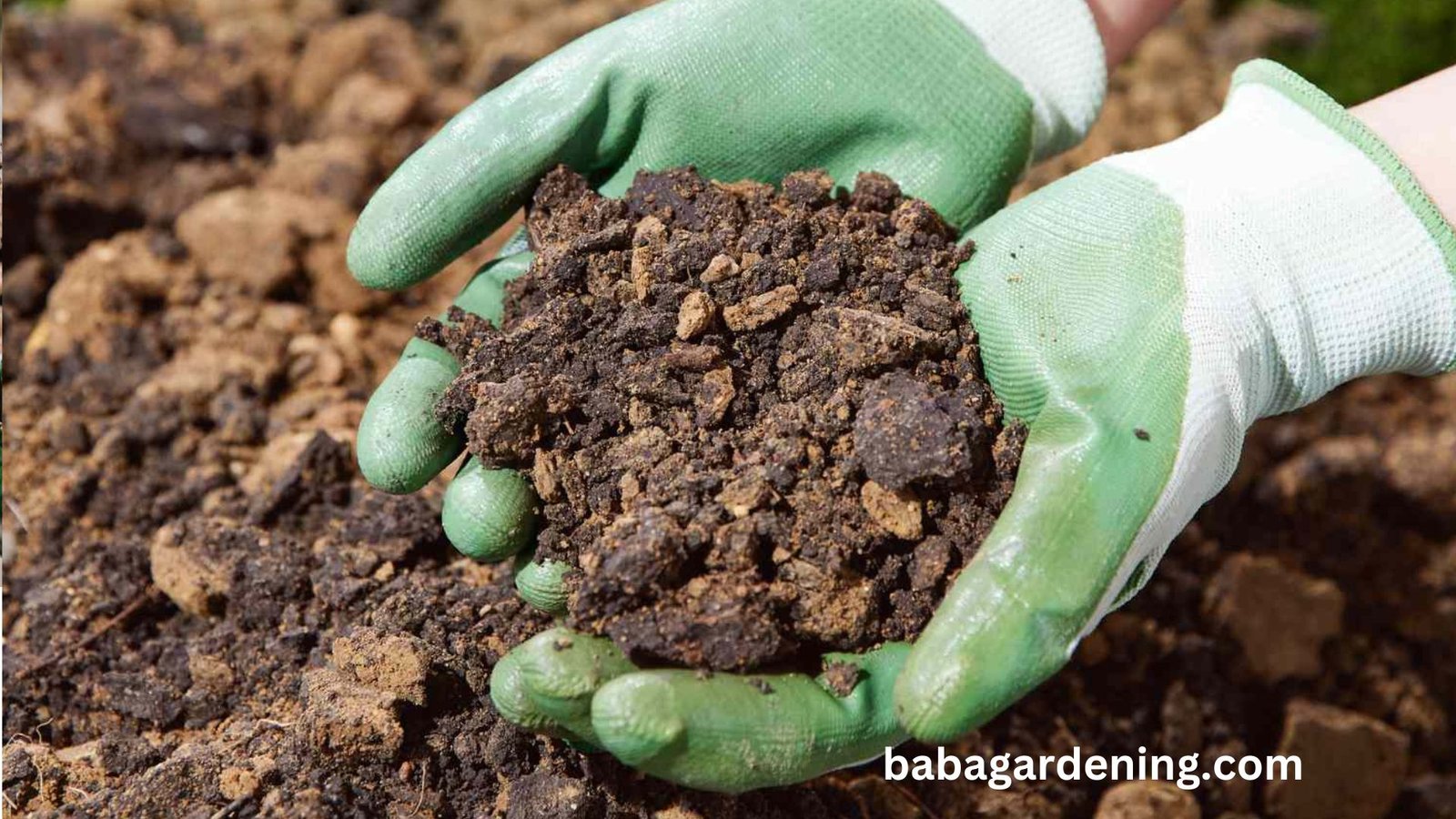
In conclusion, creating a thriving garden in clay soil is possible with the right techniques and plant selection. By improving clay soil for plants, choosing plants that are adaptable to clay soil conditions, and regularly amending the soil, you can create a beautiful and healthy garden. Clay soil plant adaptations make it possible to grow a wide range of plants, from perennials and shrubs to trees and groundcovers.
To ensure success, focus on soil improvement and plant choices. When you amend clay soil, use plants that are well-suited for these conditions and maintain good drainage to prevent common issues like root rot. With these tips and the right plants, your clay soil garden can thrive beautifully for years to come.
FAQs
Q1. What plants break up clay soil?
Deep-rooted plants like clover, daikon radish, and trees such as willows help break up clay soil.
Q2. Do coffee grounds help break up clay soil?
Yes, coffee grounds improve drainage and structure, making clay soil easier to work with over time.
Q3. Can I plant directly into clay soil?
It’s possible, but it’s best to amend clay soil with organic matter to improve drainage and nutrient availability.
Q4. How to make clay soil fertile?
Add compost, organic matter, or mulch to increase fertility, improve texture, and enhance drainage in clay soil.