


Growing pine nuts at home can seem challenging, but it is entirely possible with patience and care. Understanding how to grow pine nuts allows you to enjoy fresh, flavorful edible pine nuts straight from your backyard. Pine nut trees are not only a source of nutritious seeds but also serve as beautiful, long-lasting additions to your landscape.
These nut-producing pine trees attract wildlife, provide shade, and enhance your garden’s natural ecosystem. Whether you choose stone pine nuts or pinyon pine nuts, growing your own trees connects you to traditional indigenous cuisines and offers a sustainable source of healthy, homegrown nuts for years to come.
What Are Pine Nuts and Which Trees Produce Them?
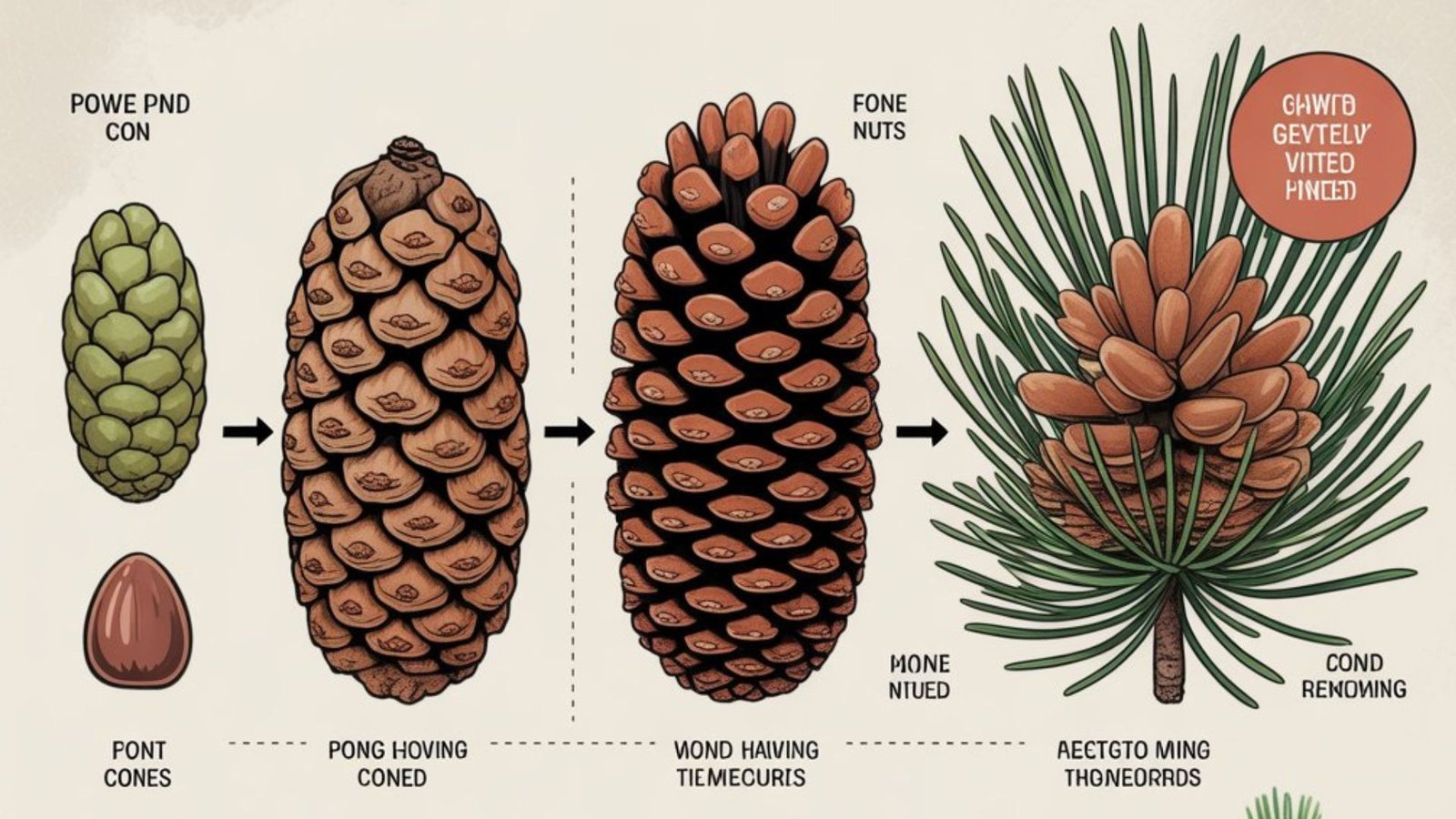
Pine nuts are seeds harvested from pine cones and are considered edible pine tree seeds. They have been used in indigenous cuisines for centuries as a source of nutrition and flavor. Not every pine tree produces edible seeds, so selecting the right native pine species is important. Common pine nut varieties include stone pine nuts and pinyon pine nuts, both of which thrive in parts of North America. These trees are long-lived pine trees that can continue producing for decades, making them excellent choices for backyard cultivation.
Can You Really Grow Pine Nuts at Home?
Yes, you can grow pine nuts at home, but it requires patience. Growing pine nut trees is a long-term commitment because most trees take several years to produce pine nut cones. These are slow-growing nut trees, and beginners should expect a waiting period before harvesting. Despite the wait, the trees are strong, resilient, and provide both beauty and food. Many gardeners plant backyard pine nut trees as architectural landscape trees because they are hardy and visually appealing while producing edible seeds over time.
Best Climate and Location to Grow Pine Nuts
Pine nut trees prefer regions that resemble their natural habitat. Most trees thrive within specific USDA hardiness zones, which vary by species. They need plenty of sunlight, open airflow, and space for roots to expand. These trees are drought tolerant trees, allowing them to survive in dry climates, making them suitable for many areas of the USA. Choosing the right spot ensures stronger growth, healthier cones, and better pine nut production in the long run.
Soil Preparation for Growing Pine Nut Trees
Healthy soil is critical for successful pine nut cultivation. Pine trees prefer loose, well-draining soil. Adding organic matter in soil such as compost or aged leaves improves nutrients and structure. Proper soil preparation encourages faster root development and healthier cone production cycles. Avoid heavy clay or waterlogged areas, as pine trees require air around their roots. Well-prepared soil supports young trees and ensures steady nut production over time.
How to Plant Pine Nut Seeds or Seedlings
You can plant either pine nut seeds or young seedlings. Seeds should be fresh and come from mature cones. Plant seeds shallowly and keep soil consistently moist but not wet. Seedlings give a head start and should be planted carefully to protect roots. Proper spacing is crucial to allow mature pine nut trees enough room for canopy and root growth. With careful planting, trees develop healthy roots and strong future cones.
Watering, Mulching, and Feeding Pine Nut Trees
Young pine trees need consistent watering until roots establish. Once mature, they require less frequent watering. Mulching helps retain moisture, control weeds, and regulate soil temperature. Fertilization should be minimal; overfeeding can harm tree growth. Using natural compost encourages healthy pine nut production without risking excess chemicals. Balanced care improves tree health and ensures a better yield of edible pine nuts.
Protecting Pine Nut Trees from Pests and Weather
Although pine trees are strong, young trees need protection from pests and extreme weather. Insects, birds, and rodents compete for seeds, creating wildlife competition for seeds. Protective nets or fencing help during early years. Trees also need shelter from strong winds, frost, and excessive heat. Proper care increases resilience and ensures healthy pine nut cones for future harvests.
Pruning and Long-Term Tree Care
Pruning maintains tree health and encourages better airflow. Remove only dead or damaged branches. Excessive pruning can reduce cone production cycles. Long-term care involves monitoring soil quality, watering patterns, and overall tree structure. Mature trees, when cared for correctly, remain productive for decades, offering consistent pine nut harvesting opportunities.
What to Expect When Growing Pine Nuts
Pine nut trees require patience. Most begin producing cones after six to ten years. Each cone may contain only 35–50 seeds, so early harvests are limited. Slow-growing nut trees require long-term planning, but over time, healthy trees produce more oil-rich seeds for family use. Climate, soil, and care all influence pine nut production, so consistent management is necessary for good yields.
Pine Nut Harvesting and Storage
Harvesting begins when cones are fully mature. Collect them carefully to avoid wildlife competition for seeds. Cure the cones in a warm, dry place, a process known as curing pine cones. Once dry, carefully begin extracting pine nut seeds and shelling pine nuts. These oil-rich seeds can be frozen for storage to extend freshness or toasted for flavor in recipes. Proper pine nut storage preserves taste and prevents rancidity. Frozen seeds last months, while toasted seeds are best used quickly.
Conclusion
Learning how to grow pine nuts in your backyard is a rewarding journey. While pine nut cultivation takes patience, the benefits include nutritious edible pine nuts, beautiful long-lived pine trees, and the satisfaction of homegrown produce. With proper planting, care, and attention to pine nut harvesting, your backyard can become a sustainable source of delicious nuts for years. Growing your own trees connects you to nature, tradition, and the timeless value of homegrown food.
FAQs
Q 1 : How long do pine nuts take to grow?
Pine nut trees usually take 6 to 10 years to produce mature cones with edible seeds.
Q 2 : Can I eat pine nuts from any pine tree?
No, only certain nut-producing pine trees produce safe and tasty edible pine nuts.
Q3 ; Why are pine nuts so expensive?
Pine nuts are costly because harvesting is labor-intensive, trees grow slowly, and each cone produces limited seeds.
Q 4 ; How to get pine nuts from a pine tree?
Harvest mature cones, cure them in a warm, dry area, then carefully extract and shell the seeds.
Q 5 ; Why do I feel sick after eating pine nuts?
Some people experience pine mouth syndrome, a temporary bitter taste or nausea caused by certain pine nut varieties.