
The **pawpaw** is a rare native fruit tree that rewards patient gardeners with creamy, tropical-flavored fruit. Learning **how to grow pawpaw from seed** is a simple and rewarding way to enjoy this delicious North American fruit at home. With the right care, soil, and patience, you can nurture your own **pawpaw seedlings transplant** into strong trees. How to grow pawpaw from seed is very simple method .
This guide explains every step—from **pawpaw seed stratification** and germination to transplanting and harvesting—so you can master the **pawpaw germination process** successfully. Whether you’re **growing pawpaw indoors** or outdoors, the secret lies in maintaining proper moisture, temperature, and soil balance for healthy, long-lasting trees. How to grow pawpaw from seed is very easy method.
Understanding Pawpaw Trees
Pawpaw trees are native to the eastern United States and are known for their wide green leaves and tropical fruit flavor. They grow best as under story trees, preferring partial shade during their early **pawpaw plant growth stages**. Over time, they can reach up to 25 feet in height. **Pawpaw tree care** begins with understanding their unique needs. These trees prefer slightly acidic soil with good drainage and high organic matter. Learning about **pawpaw soil requirements** helps ensure strong roots and better fruiting later.
Most **pawpaw fruit trees in Canada** or northern states survive due to their excellent **pawpaw temperature tolerance**. They handle mild frost but thrive in USDA zones 5 to 9. The trees’ unusual fruit flavor feels tropical yet grows perfectly in **pawpaw trees in temperate zones**.
Selecting and Harvesting Ripe Pawpaw Fruits
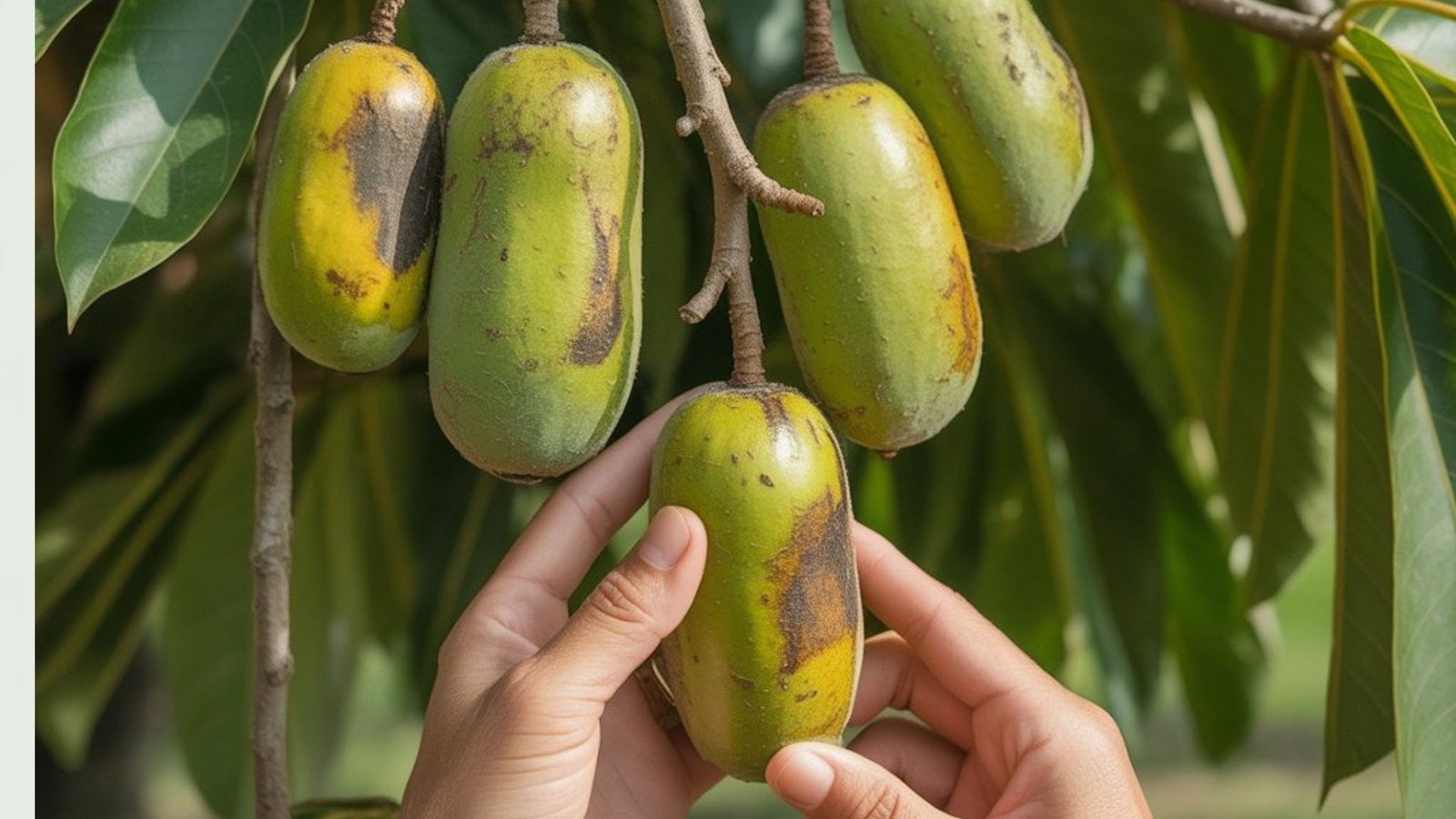
Before you learn **how to start pawpaw seeds at home**, you need ripe fruits. Knowing **how to identify ripe pawpaw fruit** is easy: look for soft skin, a yellowish-green color, and a sweet, fruity aroma. When pressed gently, the fruit should yield slightly, just like a ripe avocado. The ripening season usually comes between late August and October across the USA.
Collecting ripe fruits early in the morning prevents spoilage. Be gentle when removing the fruit from the tree because bruising affects seed quality. Pawpaws ripen quickly, so process the fruit within a few days to ensure healthy seeds for **pawpaw fruit propagation**.
Extracting and Cleaning Pawpaw Seeds
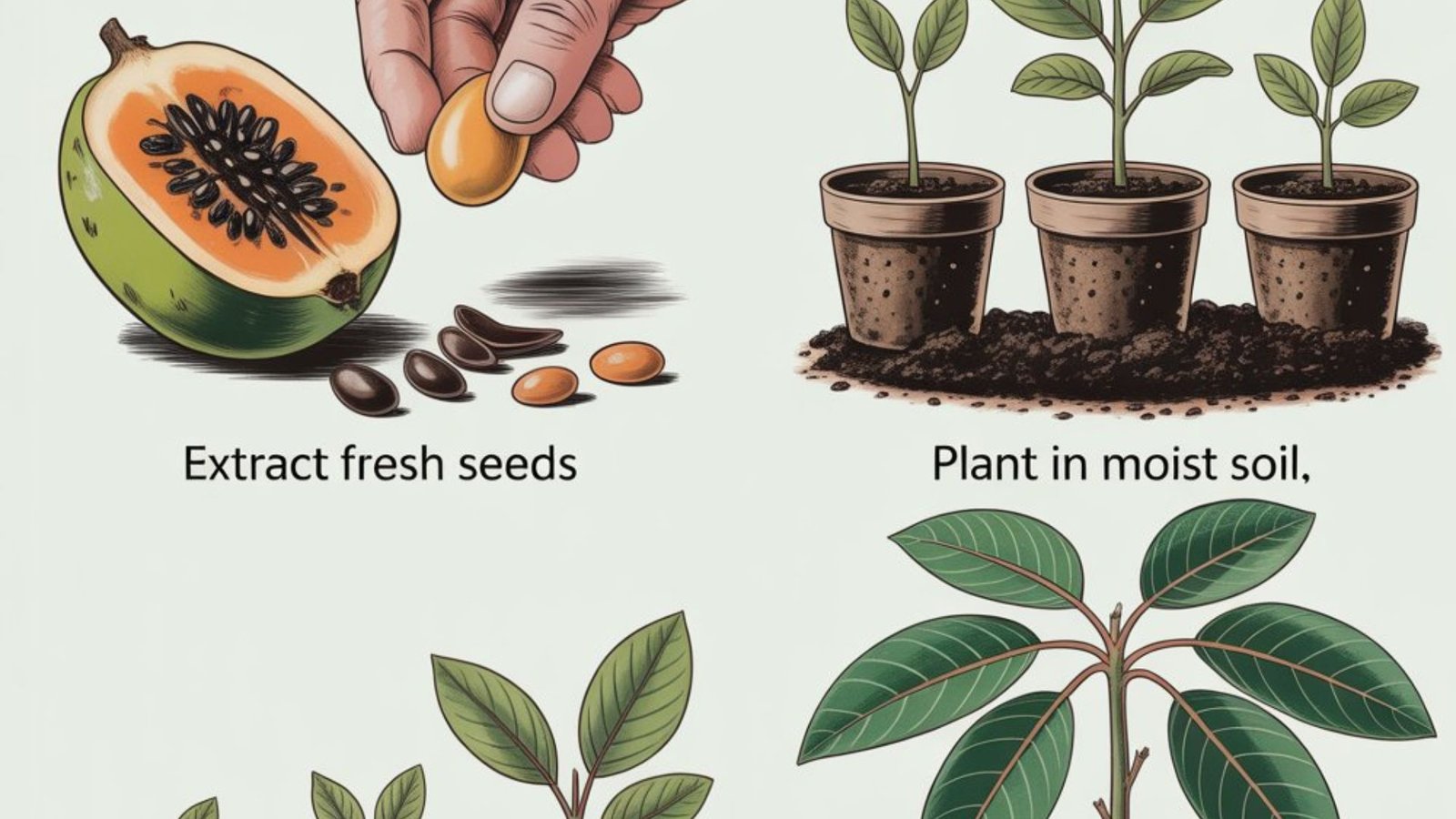
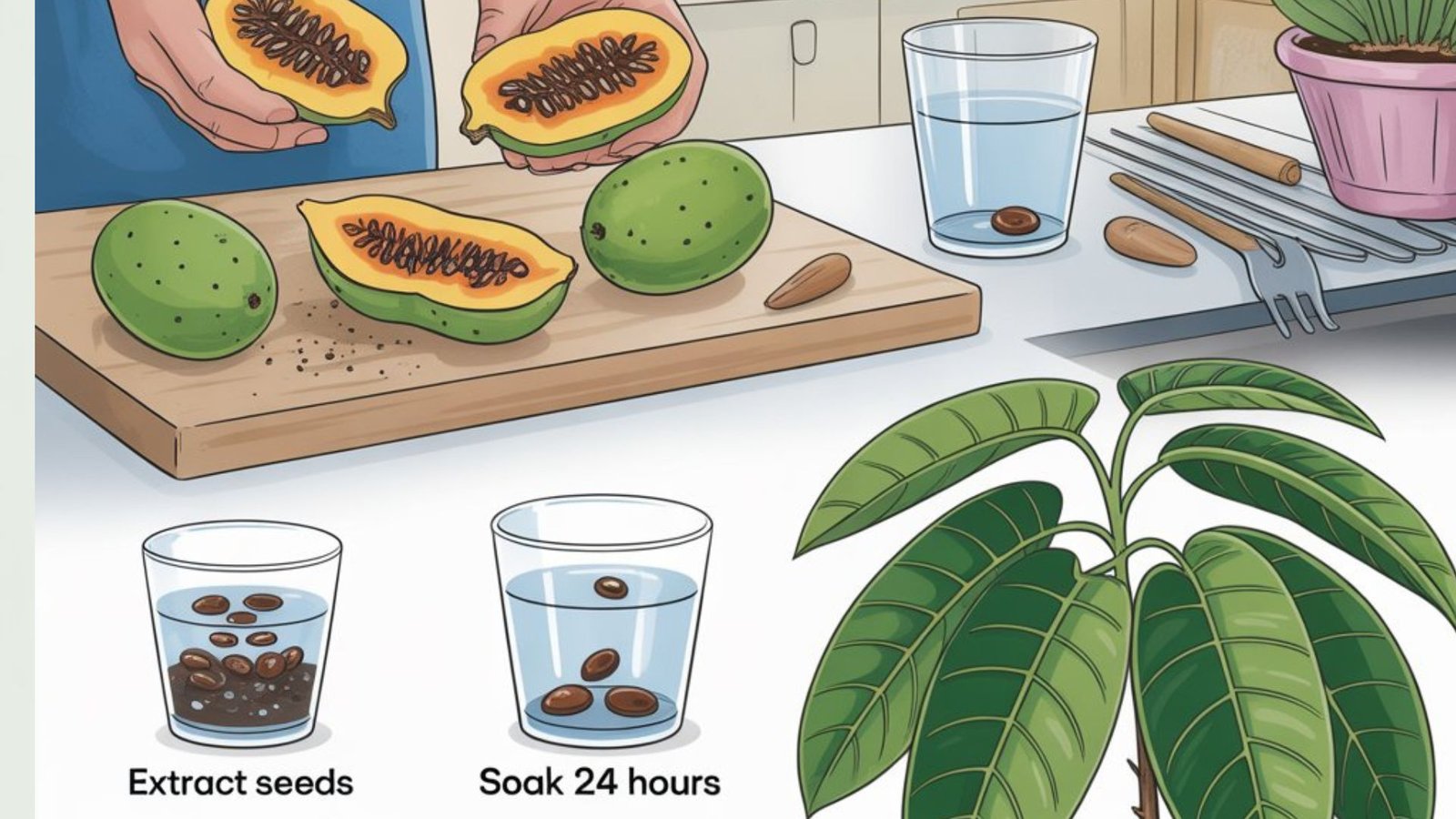
To begin **pawpaw germination process**, slice the fruit lengthwise and scoop out the seeds. Each seed has a thin membrane that may cause mold later if left intact. It’s best to peel it away to **prevent mold on pawpaw seeds**. Once removed, rinse seeds under lukewarm water and let them rest on a damp towel.
Avoid using soap or harsh cleaners; simple water works fine. The goal is to prepare seeds for **pawpaw seed viability test** before planting. Clean, healthy seeds increase the success rate during the **pawpaw seed stratification** stage.
Storing Pawpaw Seeds Before Planting
Pawpaw seed storage methods** matter because these seeds lose moisture easily. Store them in a sealed plastic bag with a damp paper towel or a mix of moist sand and vermiculite. The key is to keep them cool but never frozen. Proper moisture ensures the **pawpaw seed dormancy and stratification period** remains effective.
The refrigerator is perfect for seed storage, usually between 35°F and 45°F. This helps prevent premature germination and keeps seeds fresh for months. If they dry out or freeze, germination rates drop sharply, affecting how well you can **germinate pawpaw seeds faster** later.
Cold Stratification for Better Germination
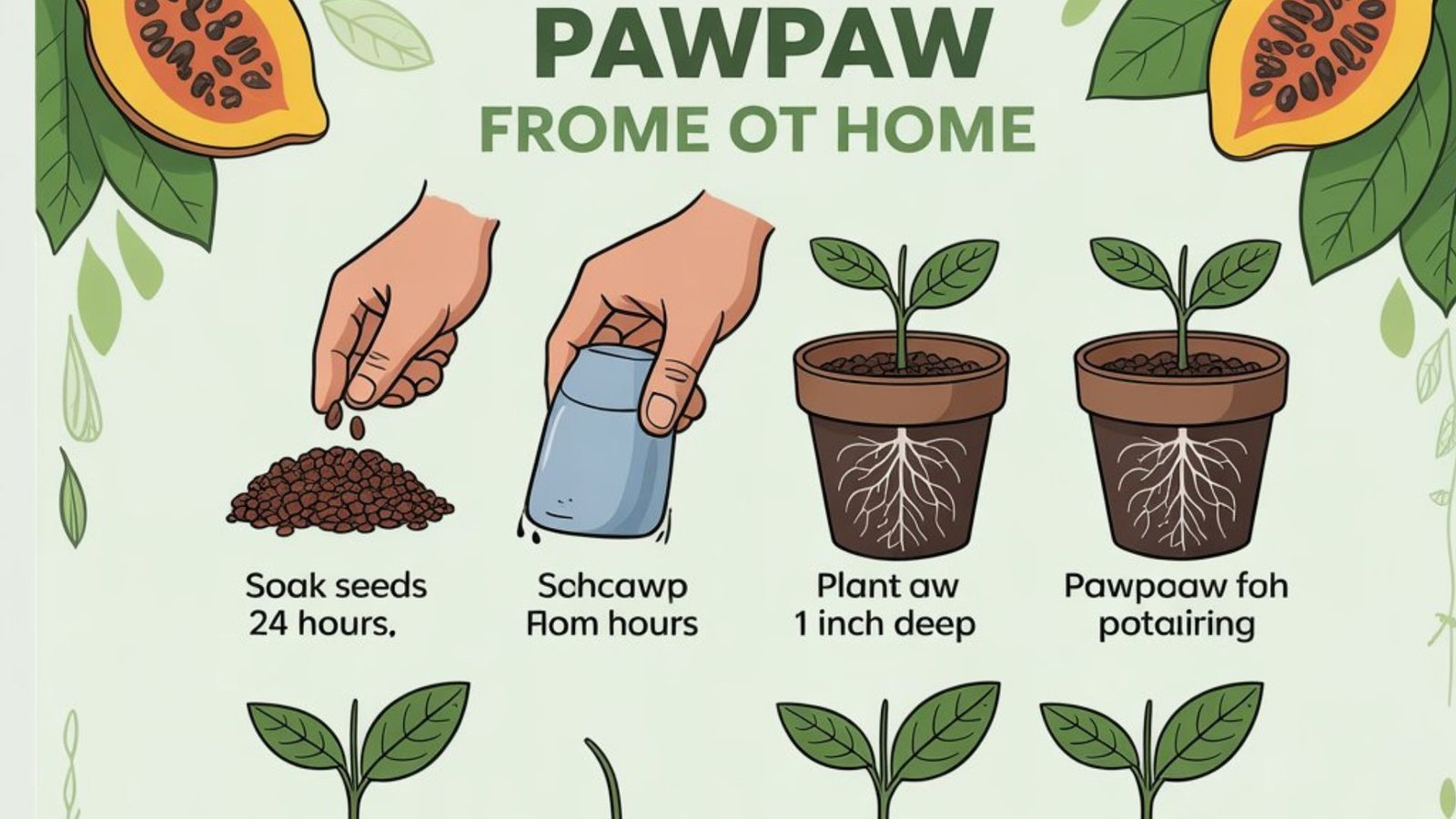
Cold stratification is vital for **how to grow pawpaw from seed** because it imitates winter conditions, breaking natural dormancy. This process, known as **pawpaw cold stratification**, lasts between 80 and 120 days. The seeds “sleep” during this time, preparing for strong root development later.
There are two ways to cold stratify seeds. The first uses moist sand or vermiculite in a covered tray. The second involves placing seeds inside damp paper towels in a zip-lock bag. Keep them in a fridge and check monthly for mold. Both methods produce good results when you want to know **how long do pawpaw seeds take to germinate**—usually about three months. How to grow pawpaw from seed
Germinating Pawpaw Seeds Naturally
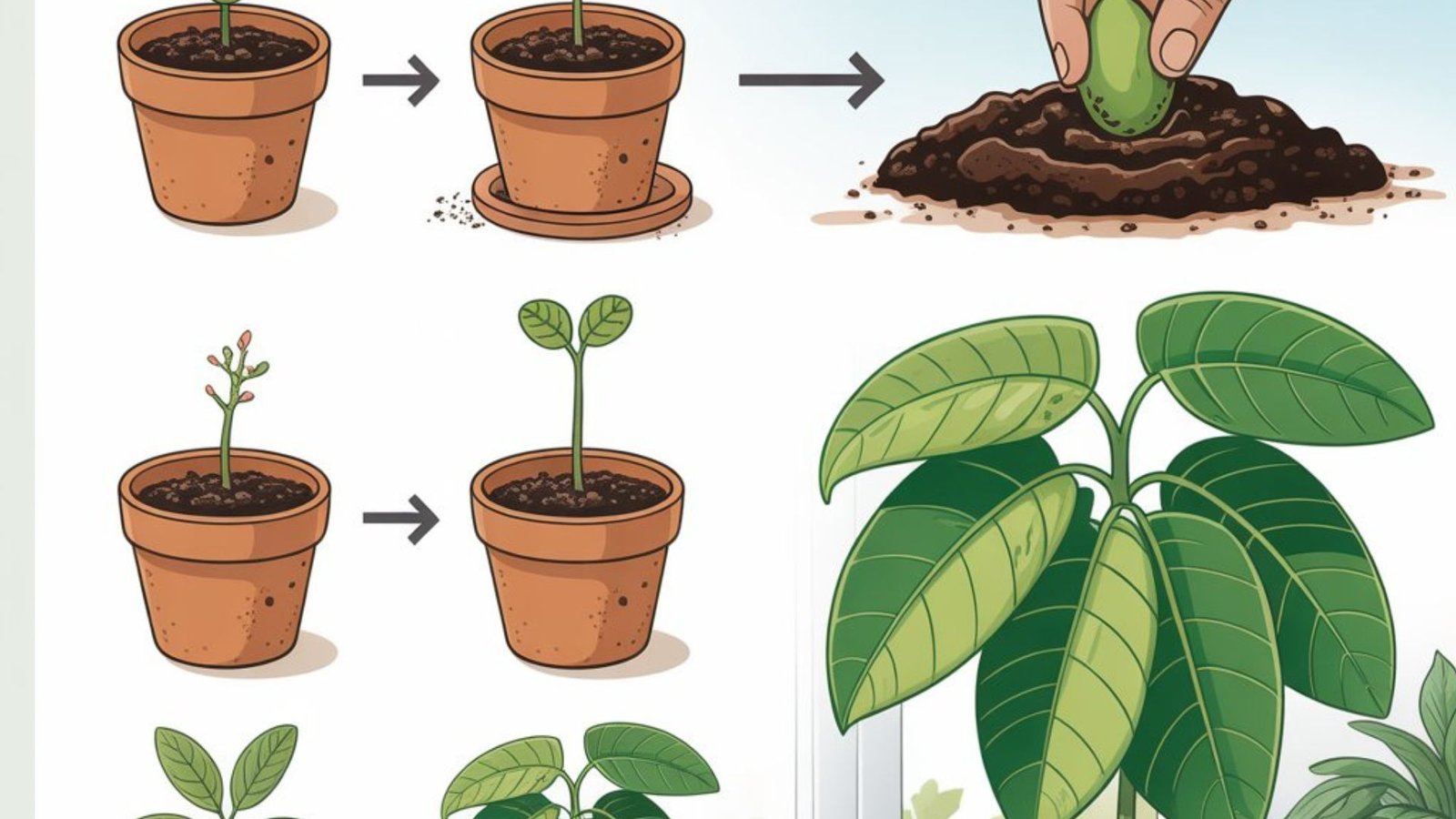
After stratification, seeds are ready to sprout. Start **how to grow pawpaw in cold climates** by keeping seeds at around 70°F. Cover them lightly in soil—just an inch deep—and ensure constant moisture. Sprouting can take three weeks or even three months, depending on the environment. Don’t worry if progress seems slow; **pawpaw seed sprouting time** varies widely.
A simple trick for **growing pawpaw indoors** is to use tall containers. Pawpaw roots grow downward first, developing a long **pawpaw taproot growth** before the stem appears. This stage decides how strong the future tree will be. Patience pays off, as once germinated, the young shoots grow steadily under warm and humid conditions.
Caring for Pawpaw Seedlings
Early **pawpaw tree watering tips** are critical. Keep soil moist but never waterlogged. Over watering suffocates the roots, while dry soil stalls growth. Use light organic compost as a gentle **organic fertilizer for pawpaw trees**. It encourages steady development without burning the roots.
When **caring for young pawpaw plants**, place them in shaded areas because direct sunlight can scorch tender leaves. Slowly introduce sunlight over time to help them adjust. **Shading young pawpaw trees** during the first year supports their overall resilience, making **planting pawpaw trees** easier later.
Transplanting Pawpaw Seedlings Outdoors
Learning **when to plant pawpaw seedlings outdoors** depends on your region’s climate. The best time is early spring before leaf buds appear or late fall after leaves drop. These periods reduce stress and give roots time to settle. When preparing to move your **pawpaw seedlings transplant**, dig deep holes, at least 12 inches, to allow their long taproots room to grow.
Choose a permanent home carefully. Pawpaw roots dislike being disturbed once established. Pick a location with rich soil, moderate moisture, and partial sun. Always use **tips for transplanting pawpaw trees** to minimize shock. A stable environment ensures strong growth during future **pawpaw plant growth stages**.
Common Problems and How to Fix Them
New growers often face **pawpaw growth problems and solutions** such as slow germination, mold, and root rot. Sometimes seeds appear inactive for months, but this is normal. Maintain warm, moist conditions and be patient. Mold on the surface rarely harms the seed but can be wiped off gently.
Pests like aphids or small caterpillars may appear on young plants. Organic neem oil or insecticidal soap works well without chemicals. Avoid compact soil, as it restricts roots and slows **pawpaw germination process**. Good drainage and balanced watering solve most early growth issues.
When and How to Harvest Pawpaw Fruit
Once mature, your tree will reward you with creamy, fragrant fruit. Recognizing **pawpaw fruit ripening** is simple: the skin turns soft, and the aroma becomes intense. Harvesting too early limits sweetness, while overripe fruit bruises easily. **Pawpaw fruit harvest time** usually arrives from late August through October in most U.S. states.
After picking, keep fruits in a cool place or refrigerate for up to five days. Their **pawpaw fruit flavor** is often compared to mango, banana, and melon combined. Many home gardeners in **pawpaw trees for home gardens** enjoy eating them fresh or using them in smoothies, custards, and pies. The tree’s productivity improves each year with proper **pawpaw winter care** and regular pruning. How to grow pawpaw from seed is very modern way.
Conclusion
Now you understand every step of **how to grow pawpaw from seed**, from fruit collection to transplanting and harvesting. These trees may take patience, but the reward is worth it. Follow each step, protect them from frost, and watch them flourish even in cooler climates. By practicing consistent **pawpaw tree care**, your home garden will soon be filled with lush
FAQs
Q 1: How long does it take to grow a pawpaw from seed?
Pawpaw trees usually take about 5 to 7 years to produce fruit when grown from seed, depending on growing conditions and care.
Q 2: Can you plant pawpaw seeds directly in the ground?
Yes, you can plant pawpaw seeds directly in the ground, but they must be kept moist and cold-stratified for at least 3 months before planting.
Q 3: Can I plant papaya seeds straight from the fruit?
Yes, papaya seeds can be planted straight from the fruit after rinsing off the pulp and drying them slightly for a day or two.
Q 4 : Do you need two paw paw trees to get fruit?
Yes, pawpaw trees require cross-pollination, so you need at least two genetically different trees to produce fruit.
Q 5 : Why do deer avoid pawpaw trees?
Deer tend to avoid pawpaw trees because the leaves and twigs contain natural chemical compounds that give them a bitter taste and mild toxicity.