

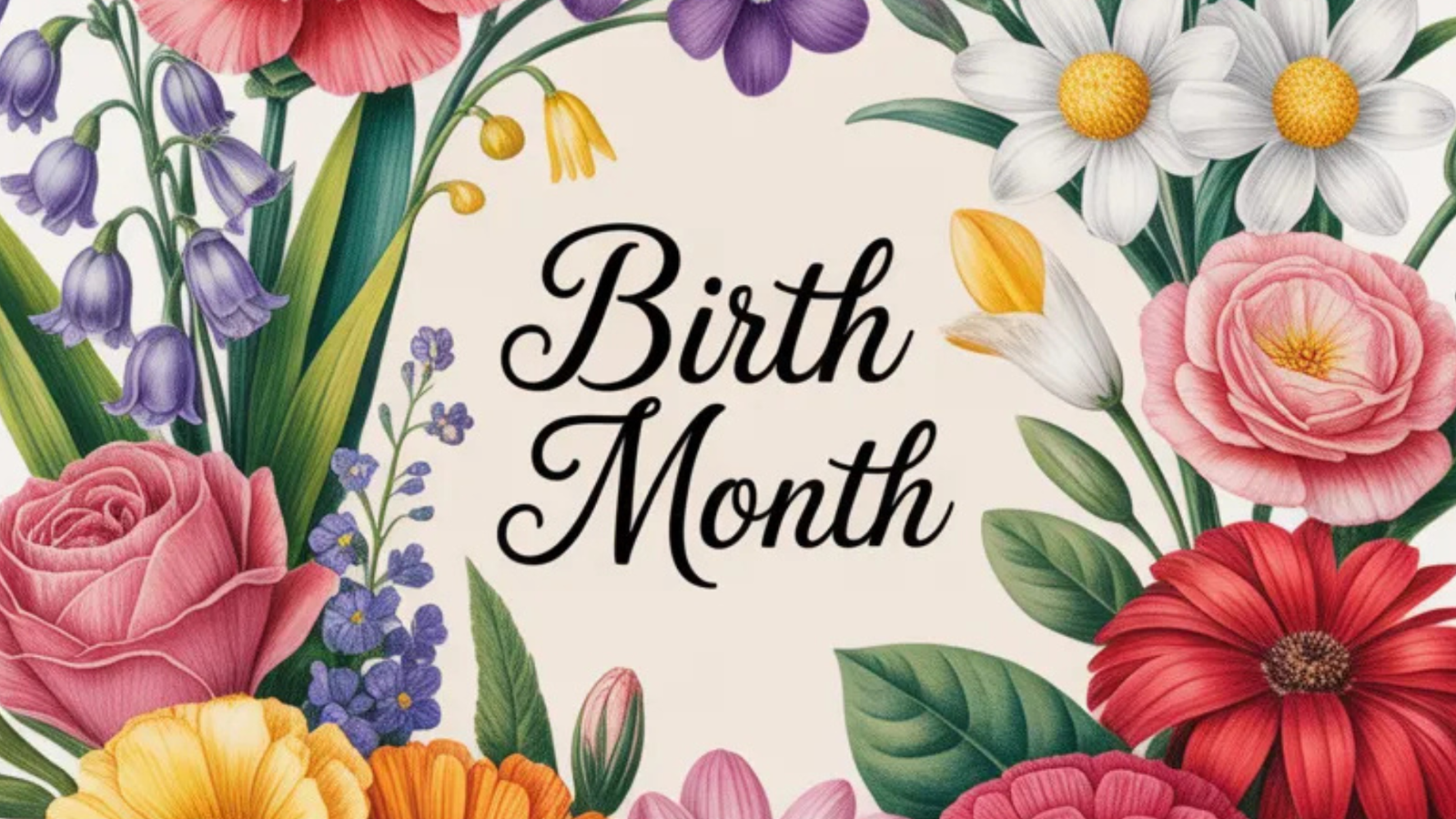
Do you know your birth month flower? Just like birthstones, every month has a flower that represents unique personality traits, emotions, and symbolism. Flowers have been used throughout history to convey messages, express love, and celebrate life’s special moments. Understanding your birth month flower can make gift-giving more meaningful, enhance home décor, and provide personal insight into your character. This comprehensive guide explores each month’s birth flower, its symbolism, history, and ways to use it in modern life.
January – Carnation
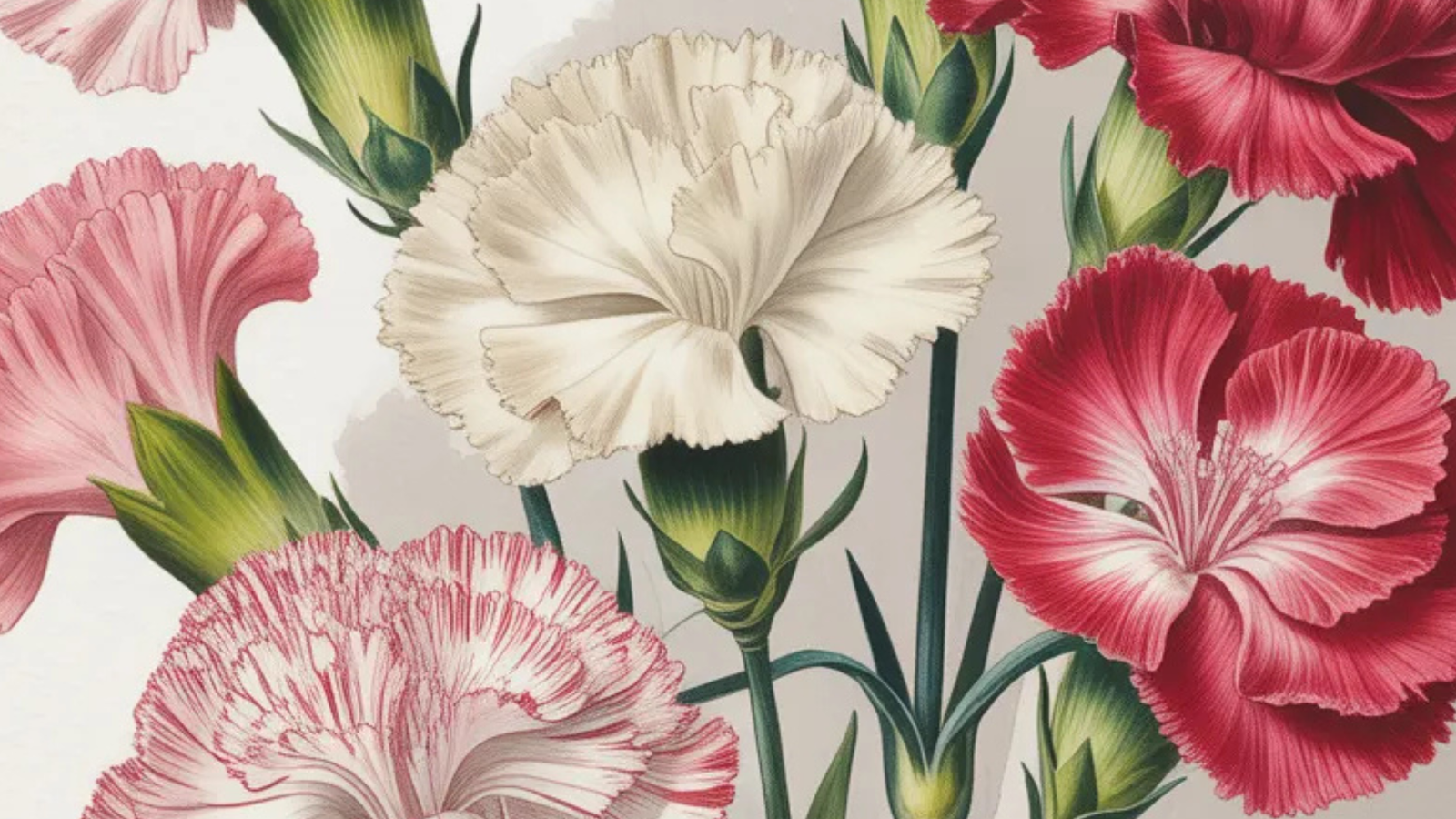
The January birth month flower is the Carnation. Carnations are elegant and versatile, symbolizing love, fascination, and distinction. Each color carries a unique meaning: red for deep love, pink for gratitude, and white for purity and luck. Carnations have been cultivated for over 2,000 years, with ancient Greeks using them in ceremonial crowns. They are often given to celebrate new beginnings or personal achievements. You can use carnations in bouquets, winter décor, or simply as a symbolic reminder of admiration and self-love.
February – Violet
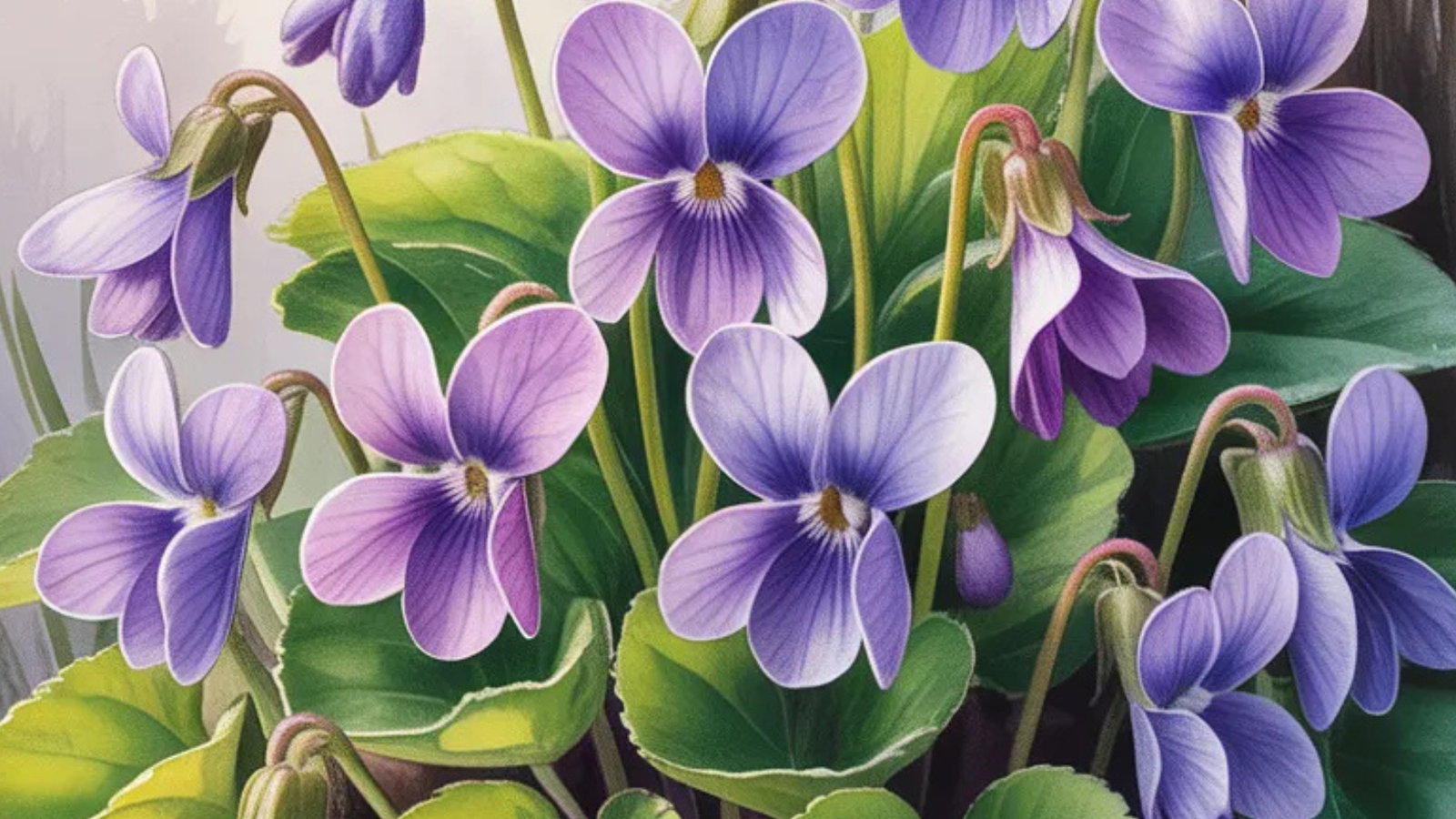
February’s birth month flower is the Violet, known for its delicate beauty, humility, and loyalty. Violets symbolize spiritual wisdom and thoughtful love, making them perfect for expressing sincerity and devotion. Historically, violets were used in perfumes and herbal remedies by the Romans. During the Victorian era, gifting violets often symbolized secret love. You can use violets in greeting cards, small bouquets, pressed flower art, or potted indoor plants to add a touch of elegance and meaningful symbolism to your home.
March – Daffodil
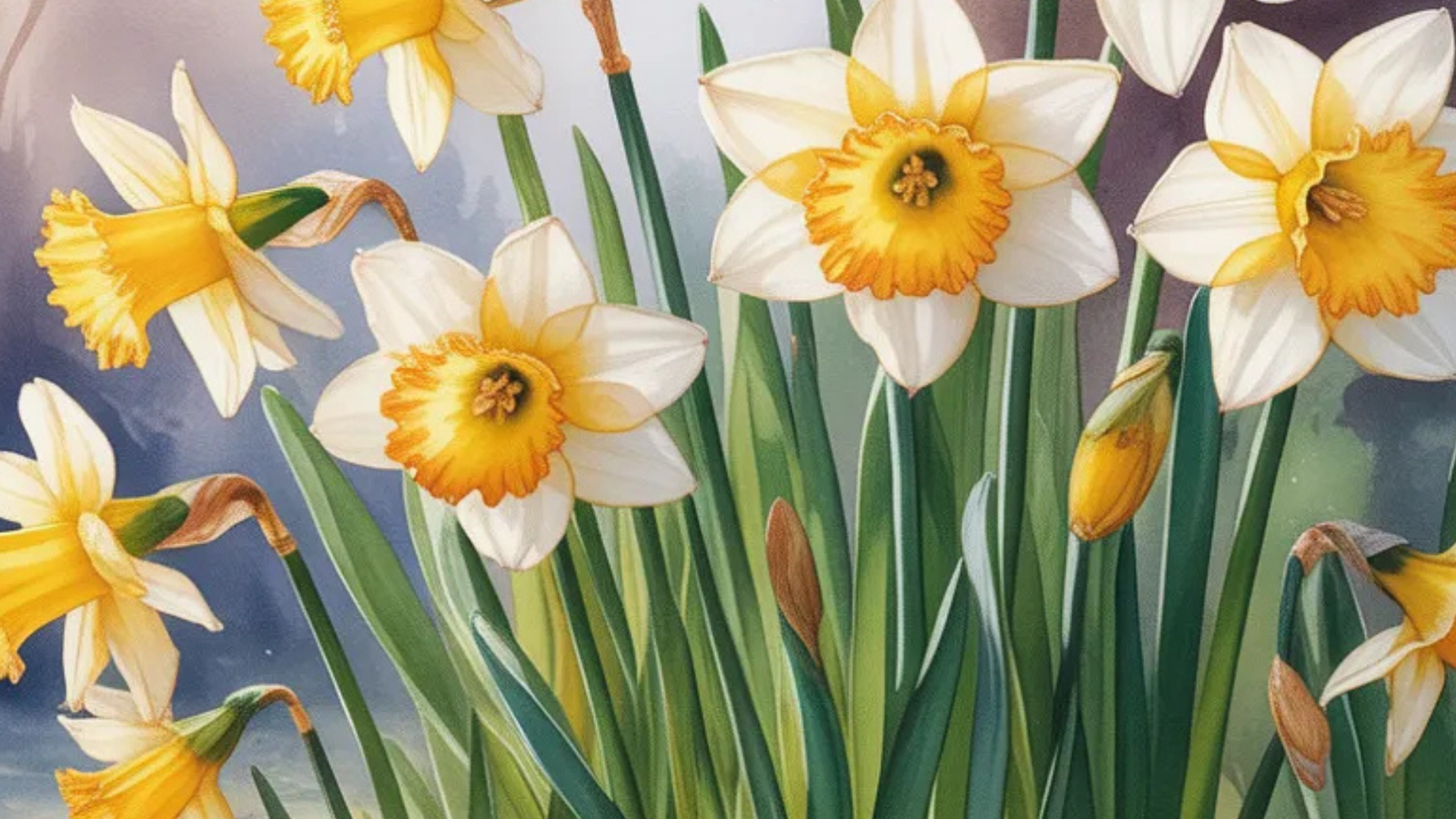
The cheerful March birth month flower is the Daffodil. It represents hope, new beginnings, and happiness. The daffodil encourages optimism and self-confidence, making it a wonderful reminder of positivity. In Europe, daffodils are associated with spring festivals and Easter, while in China, they are symbols of good fortune and prosperity. Daffodils are perfect for spring décor, garden planting, or as thoughtful gifts to celebrate milestones and new chapters in life.
April – Daisy
April’s birth month flower is the Daisy, a symbol of innocence, purity, and true love. Daisies remind us to find joy in small moments and embrace simplicity. In Norse mythology, daisies are linked to Freya, the goddess of love, and they were historically used in love divination games. Daisies are ideal for flower crowns, casual bouquets, spring-themed décor, or baby showers. Their cheerful appearance adds a fresh, uplifting vibe to any space.

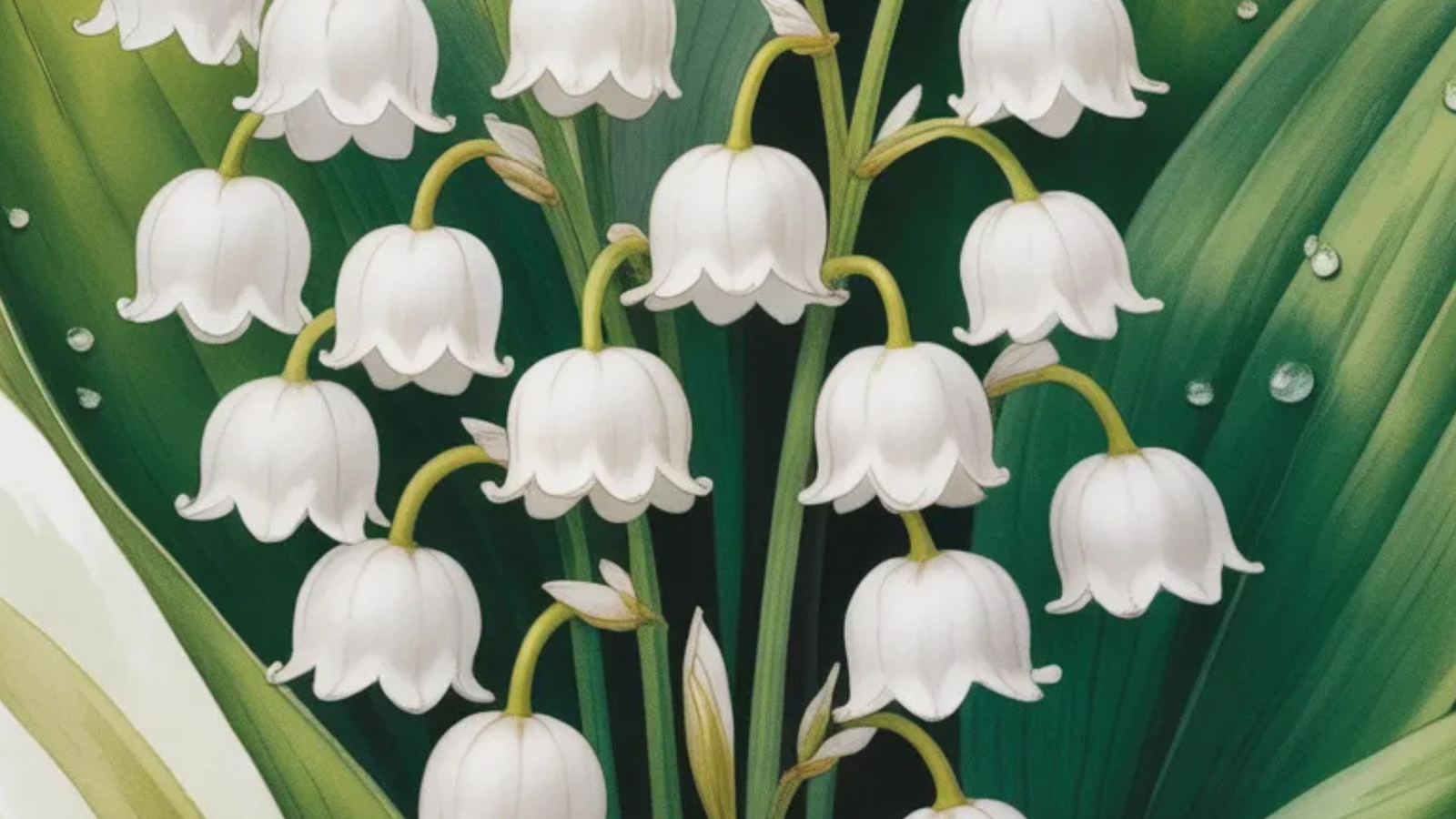
May – Lily of the Valley
The May birth month flower is the Lily of the Valley. Its small bell-shaped blooms symbolize sweetness, humility, and happiness. Lily of the Valley is considered a bringer of luck and positive energy. This flower originated in Europe and has been used in royal weddings. In France, it is traditionally gifted on May 1st for good luck. Lily of the Valley can be included in bridal bouquets, garden decorations, or as thoughtful gifts for friends and loved ones to spread positivity and joy.
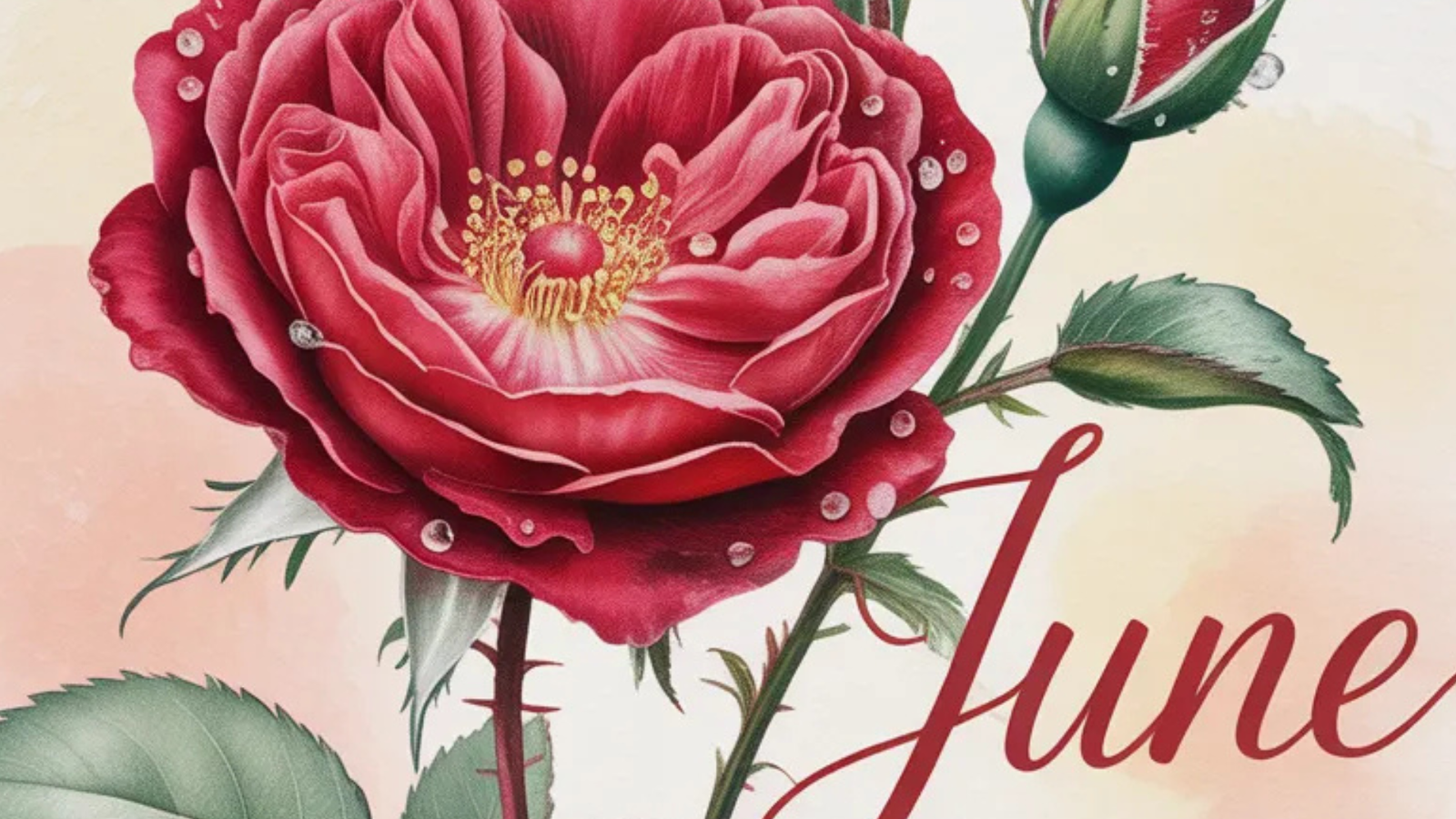
June – Rose
June’s birth month flower is the Rose, the classic symbol of love, passion, and beauty. Each rose color conveys a different message: red represents love, white purity, and yellow friendship. Roses have been cultivated for over 5,000 years and are used in perfumes, teas, and ceremonial events. They are perfect for romantic gifts, wedding décor, or jewelry designs. Including roses in your life can symbolize deep emotions, strengthen relationships, and add elegance to any celebration.
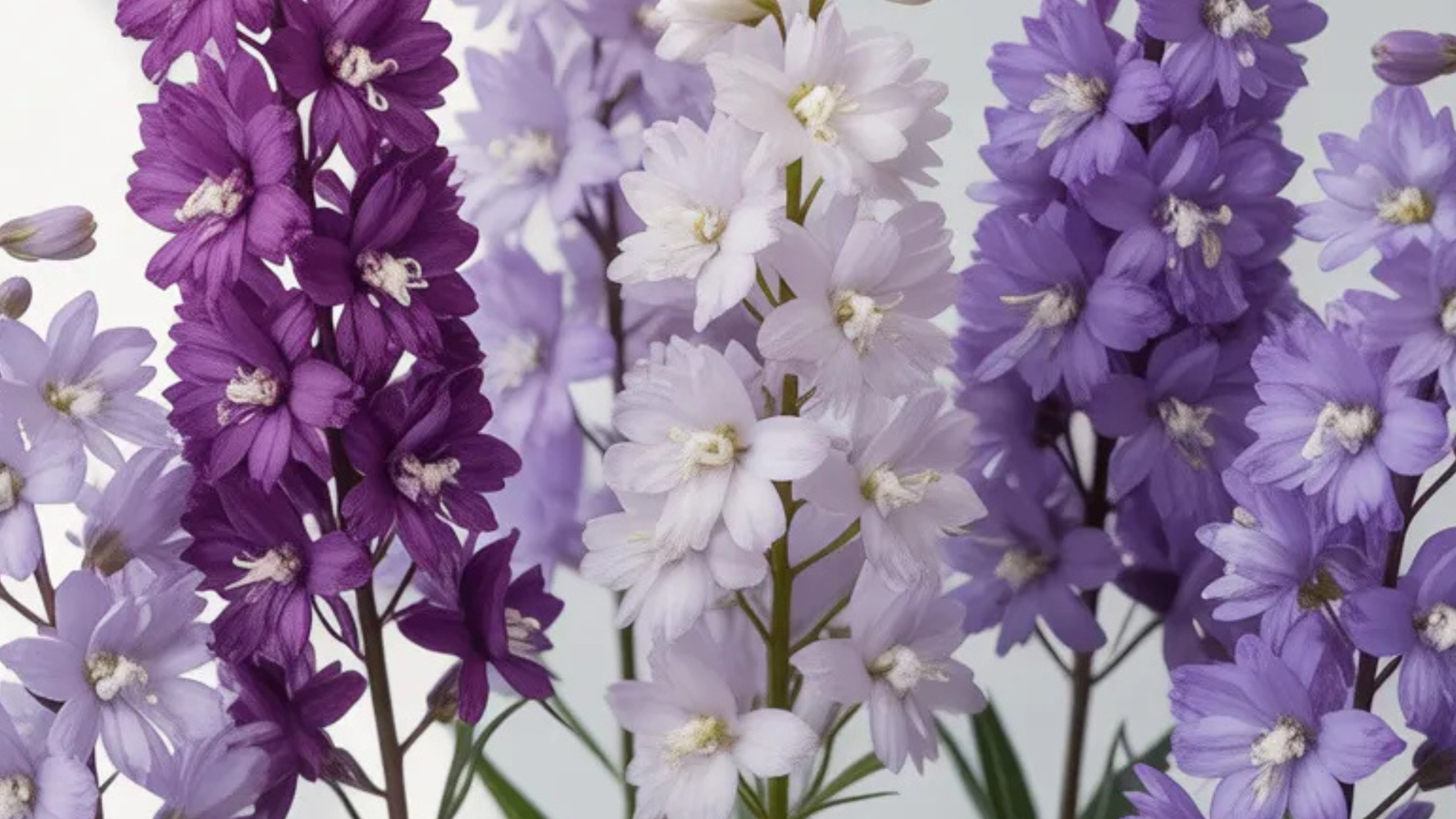
July – Larkspur
The July birth month flower is Larkspur. Known for its vibrant petals and graceful appearance, Larkspur symbolizes positivity, grace, and strong bonds of love. It encourages emotional strength and open communication. Historically, Larkspurs were used for medicinal purposes in ancient Europe. Today, they are commonly featured in summer bouquets, garden planting, and celebratory arrangements. Adding Larkspur to your home or gifts can uplift spirits and convey thoughtful sentiments.
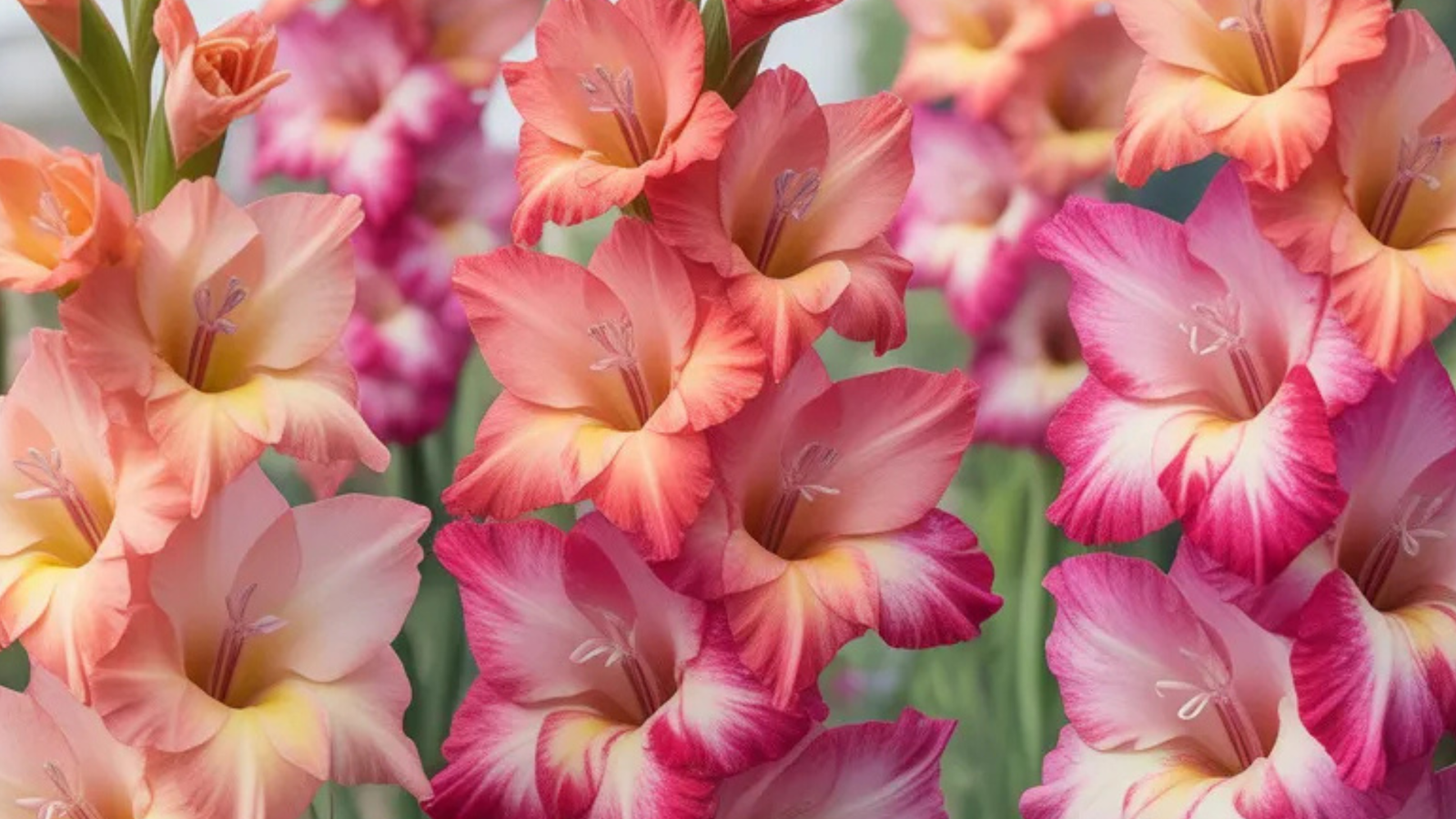
August – Gladiolus
The August birth month flower is the Gladiolus, a tall and striking bloom symbolizing strength, integrity, and honor. It represents moral character, remembrance, and sincerity. Gladiolus flowers originated in Africa and the Mediterranean region and have historically been used in victory and achievement ceremonies. They are ideal for summer floral arrangements, garden décor, or gifts celebrating accomplishments. Including Gladiolus in your life reminds you of resilience, dignity, and perseverance.
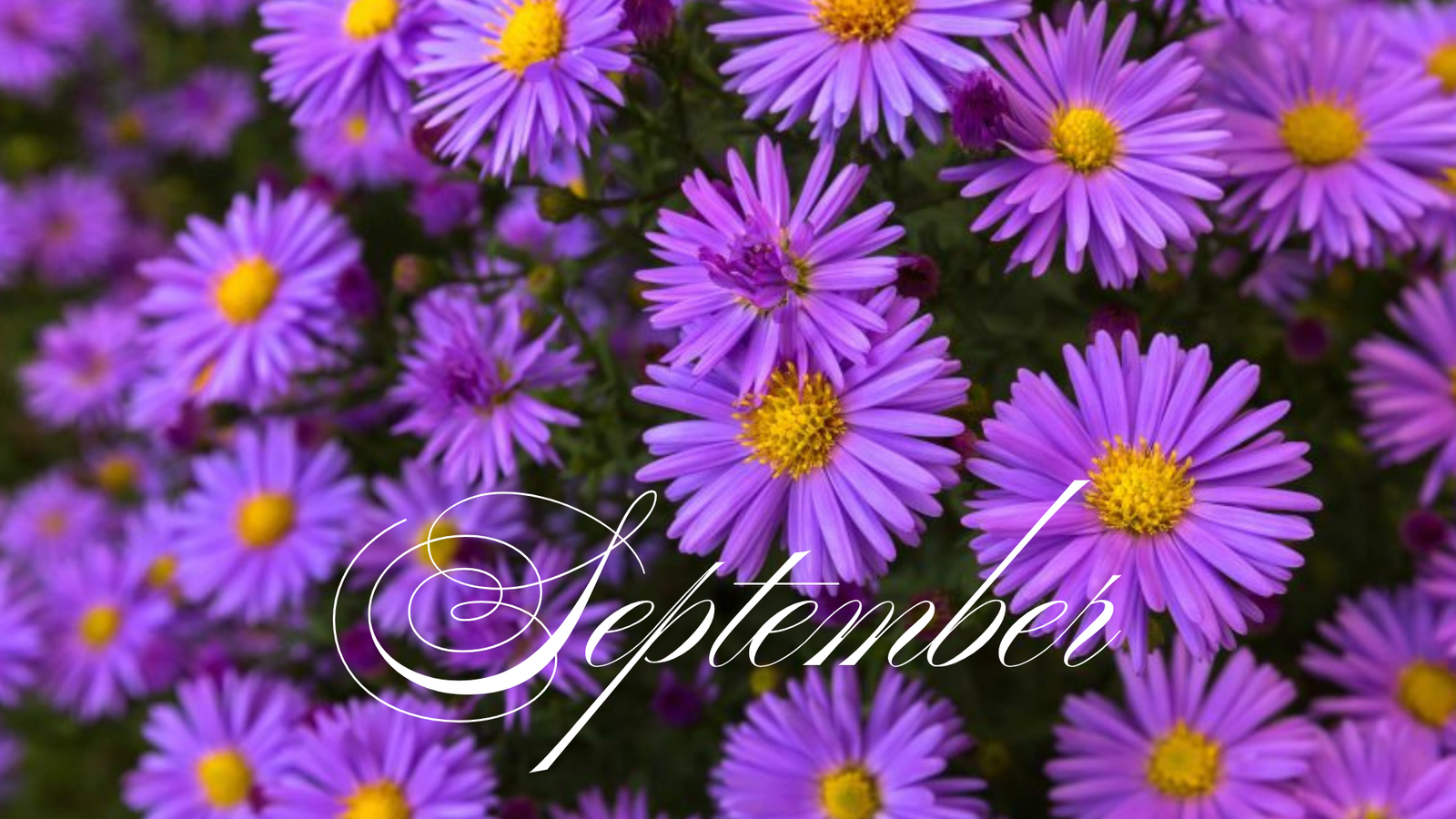
September – Aster
September’s birth month flower is the Aster. Asters symbolize wisdom, patience, and love. These dainty blooms are associated with elegance, sophistication, and hope. Ancient Greeks considered Asters a symbol of love, and they have also been used in traditional herbal remedies. Asters are perfect for autumn décor, bouquets, and floral art. Adding them to your home or gifts can encourage loyalty, thoughtfulness, and gentle beauty.
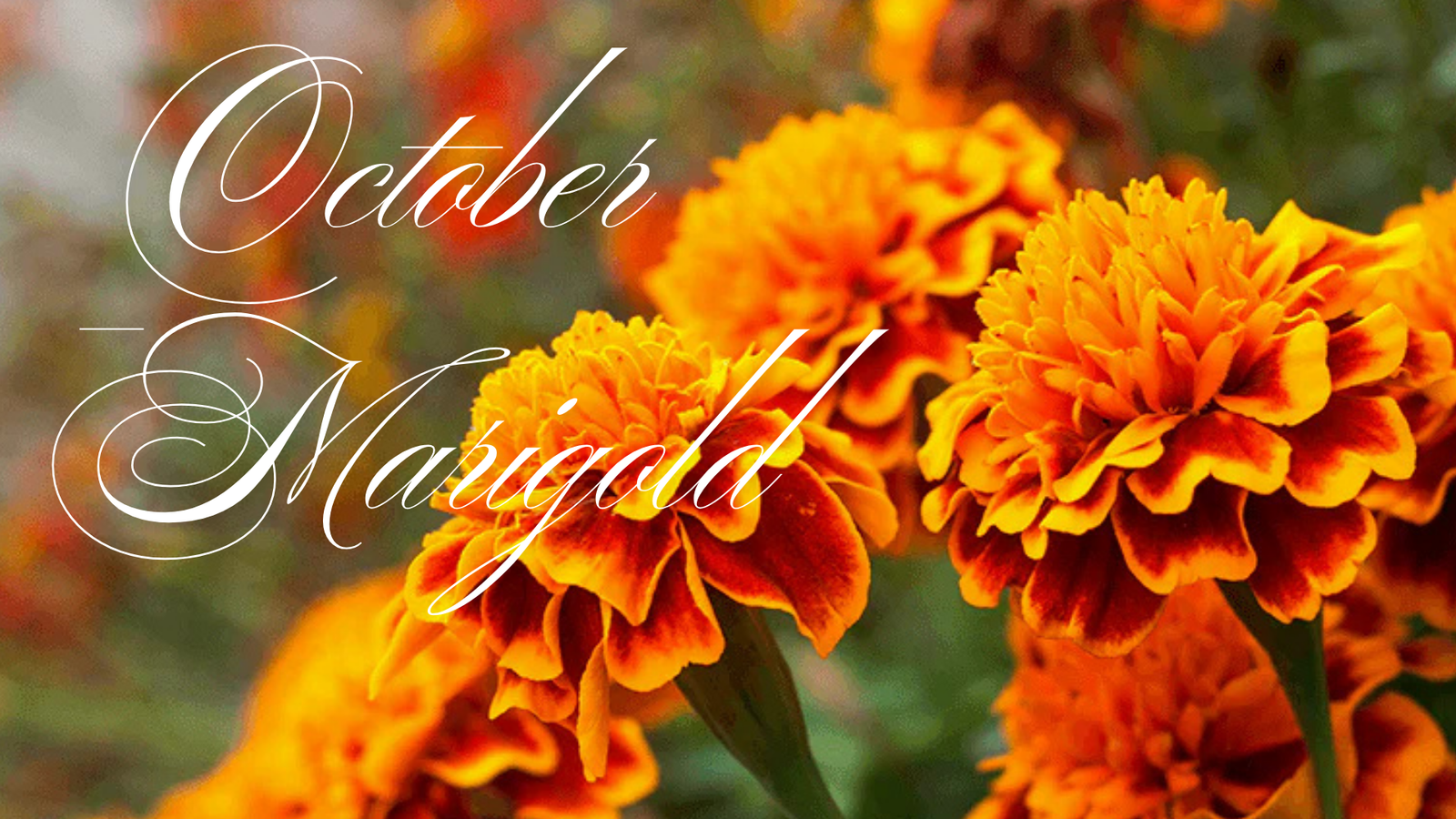
October – Marigold
The October birth month flower is the Marigold. Marigolds symbolize warmth, creativity, and celebration. They encourage positivity and artistic expression. Marigolds are used in cultural festivals like Mexico’s Day of the Dead and are associated with sunlight and joy. They can be incorporated into DIY décor, bouquets, and gifts for friends or family to inspire creativity and brighten spaces. Marigolds remind us to embrace life’s vibrancy and energy.
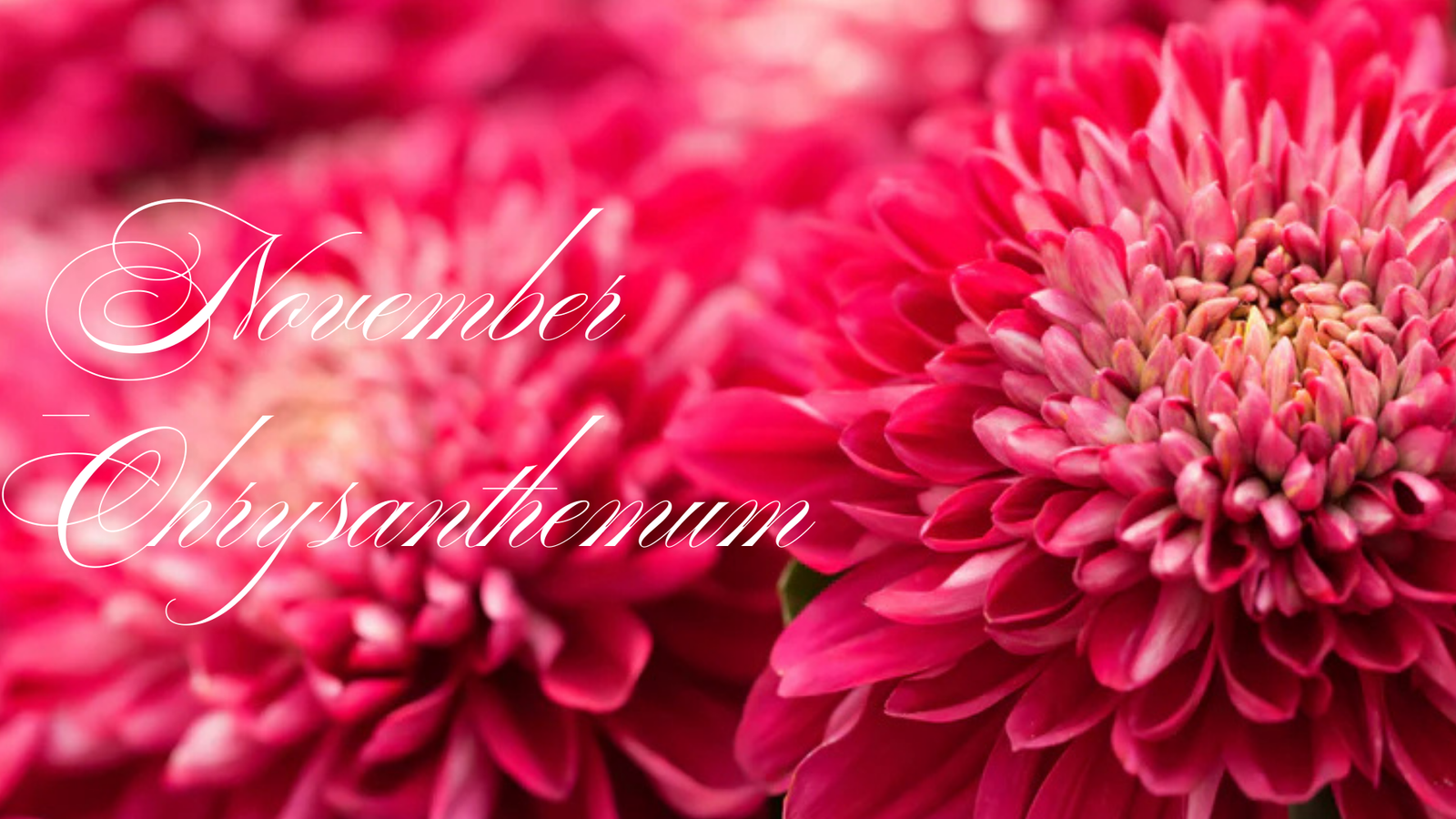
November – Chrysanthemum
November’s birth month flower is the Chrysanthemum, symbolizing friendship, honesty, and joy. It represents longevity and happiness, making it a popular choice for autumn celebrations. Chrysanthemums are the national flower of Japan and hold significant cultural meaning in many countries. They can be included in bouquets, home décor, and fall-themed events. Chrysanthemums celebrate enduring bonds and positivity, making them a perfect flower for expressing warmth and sincerity.
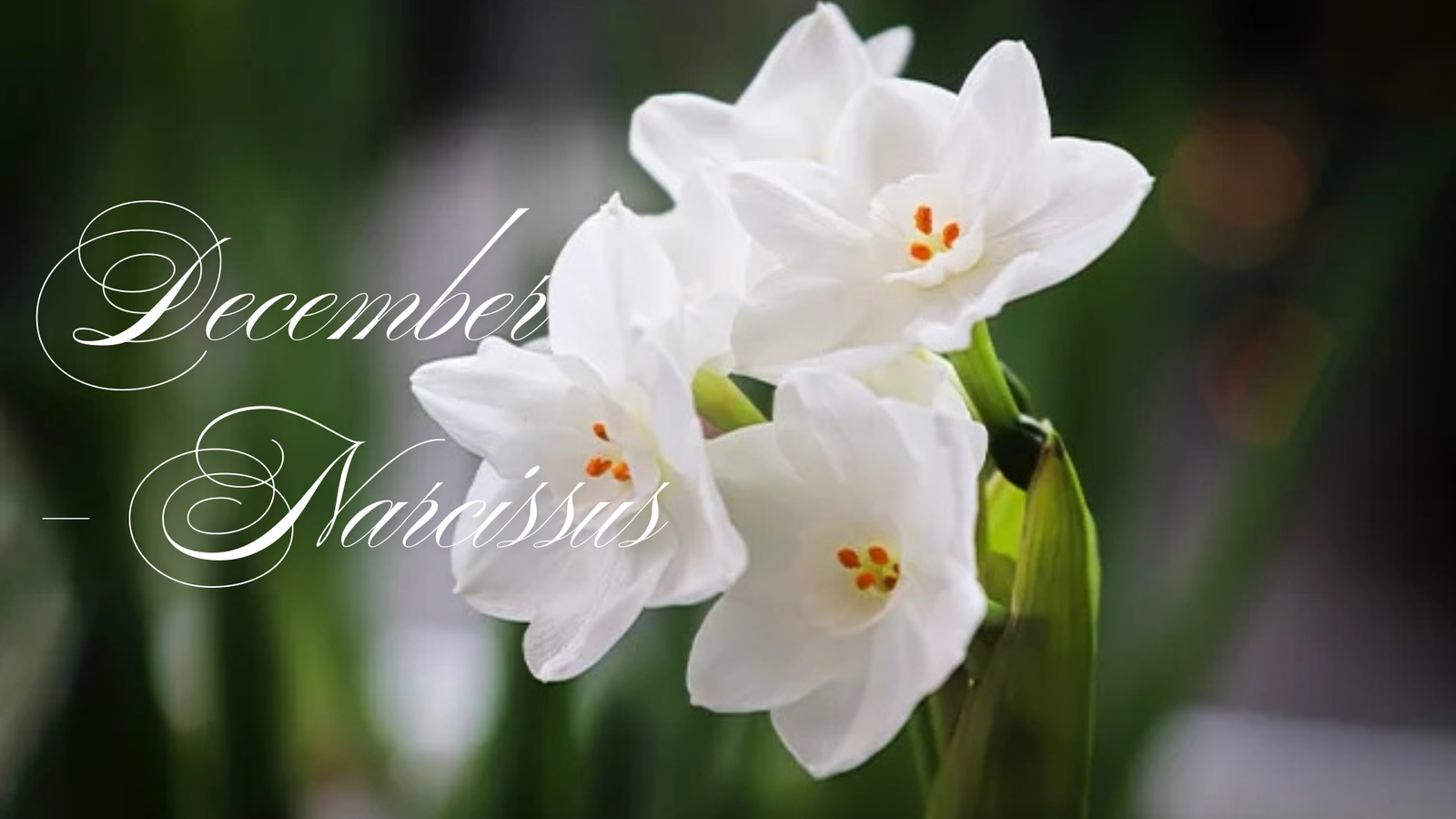
December – Narcissus
The December birth month flower is the Narcissus, which signifies hope, renewal, and good wishes. This bright bloom encourages optimism and new opportunities. Narcissus is linked to the Greek myth of Narcissus and is often used in winter decorations and Christmas bouquets. Including Narcissus in gifts or home décor symbolizes positivity, new beginnings, and the promise of brighter days ahead.
Birth Month Flower Meanings
Understanding the general meanings of birth month flowers helps in gift-giving and personal reflection. Flowers representing love and passion include Roses and Carnations, while Daffodils and Chrysanthemums symbolize happiness and joy. Gladiolus represents strength and integrity, Daisy represents purity and innocence, and Narcissus signifies hope and renewal. Each flower offers a unique message, reflecting the essence of the month it represents.
FAQs
What is a birth month flower?
A birth month flower is associated with the month you were born and carries specific symbolism and personality traits.
Can a month have multiple birth flowers?
Yes. Some months have more than one flower depending on cultural traditions, such as June, which may include both Rose and Honeysuckle.
Why are birth month flowers important?
They symbolize emotions, personality traits, and are often used in gifts, decorations, or personal rituals.
How can I use my birth month flower?
You can use your birth month flower in gifts, home décor, DIY projects, floral arrangements, or personal reflection. Combining birth flowers with birthstones can add a meaningful touch to gifts or jewelry.
Tips for Birth Month Flower Lovers
-
Keep a journal of your birth flower’s meanings and significance.
-
Make DIY floral gifts for friends and family.
-
Use Pinterest or social media to showcase creative floral arrangements.
-
Combine your flower with birthstones for a personalized touch.
-
Grow your birth flower at home to connect with its symbolism.
Conclusion
The birth month flower is more than a beautiful bloom—it reflects personality, traits, and emotions. From the loyal Violet of February to the resilient Gladiolus of August, each flower tells a unique story. By understanding your birth month flower, you can enhance gifts, decorate your home, or reflect on personal traits. This guide provides a complete overview of all 12 birth month flowers, their meanings, symbolism, and practical uses in everyday life.