

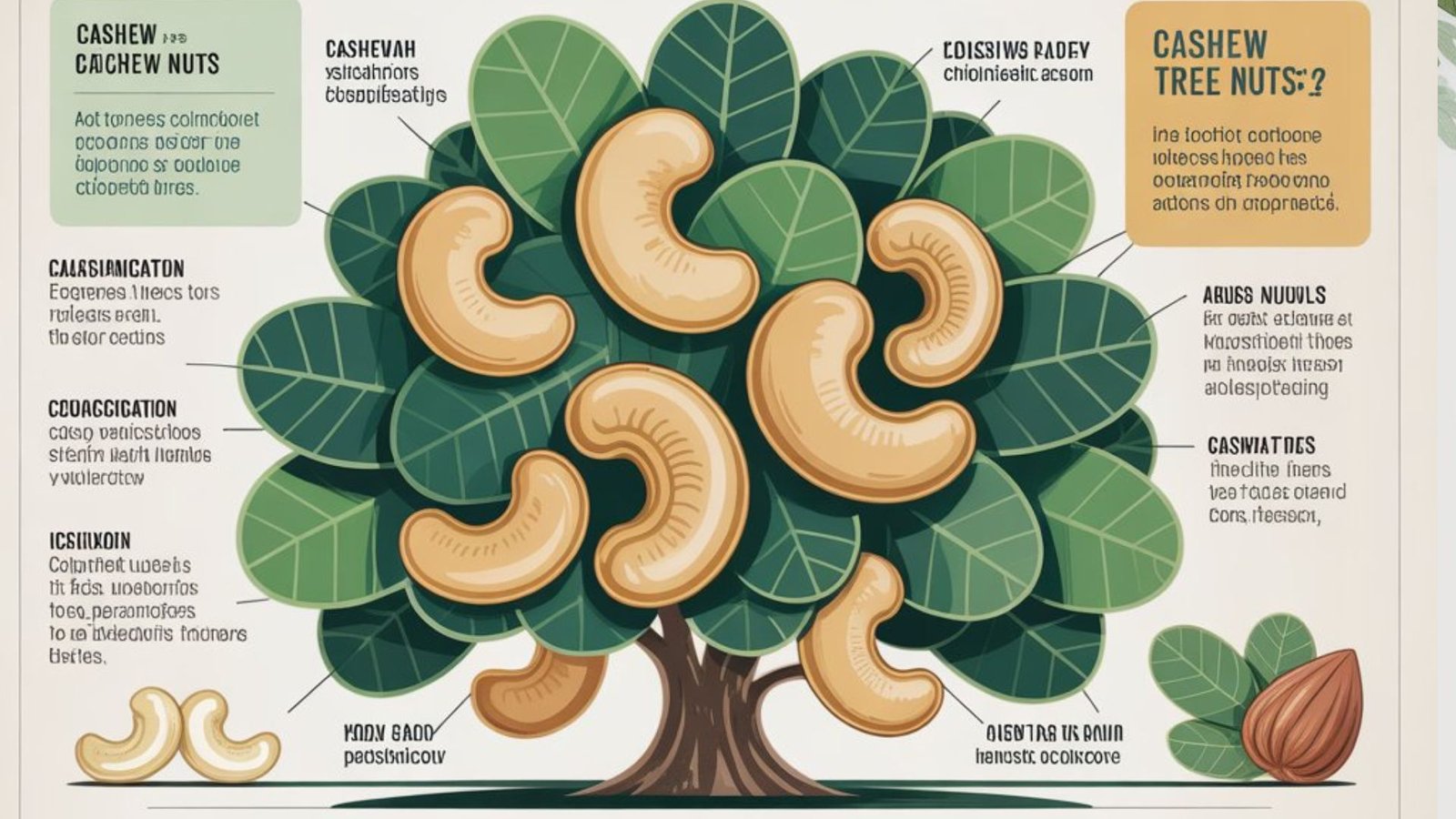
Cashews are a popular snack and cooking ingredient enjoyed by millions worldwide. However, there’s one question that often arises: Are cashews tree nuts? While they’re commonly grouped with other nuts, such as almonds and walnuts, cashews are not technically true tree nuts. Instead, they belong to a different botanical category.
The confusion likely arises from their similar nutty texture and nutritional value. But from a botanical standpoint, cashews are actually seeds of a fruit called a drupe, not a hard-shelled nut. In this article, we’ll dive deep into the botanical classification of cashews, compare them with other tree nuts, and explore their health benefits, so you can understand their true nature.
What Are Cashews?
Cashews are seeds, but not in the way most people think. They grow from the cashew tree (Anacardium occidentale), which produces a fleshy cashew apple. The cashew nut that we commonly eat is actually the seed of a fruit known as a drupe. A drupe is a fruit where the seed is surrounded by a fleshy outer layer. This is why cashews are botanically classified as seeds, not nuts.
When you eat cashews, you’re consuming the seed inside this drupe. So while they may look like traditional tree nuts, they are structurally different from those nuts found inside hard shells. Cashew plant anatomy shows that the true fruit is the cashew apple, with the seed hanging outside.
Botanical Classification of Cashews
From a botanical point of view, cashews are far from being “true nuts.” The botanical definition of nuts states that a nut is a hard, woody fruit that contains a seed inside. However, cashews are not true nuts because they grow from a drupe, which is a type of fleshy fruit. So, cashews are seeds that come from a drupe, not a hard-shelled nut.
Cashews belong to the Anacardiaceous family, which also includes poison ivy, mangos, and pistachios. This tree family produces both edible seeds like cashews and other fruits. The distinction between cashew nut vs seed is important because it affects how they are classified botanically.
Cashews and Tree Nuts: A Comparative Overview
Although cashews aren’t technically tree nuts, they do share many similarities with them. Cashews vs. tree nuts such as almonds, walnuts, and hazelnuts reveals that they are both used in similar culinary ways. They are often enjoyed in snacks, nut butter, or roasted in various dishes. Cashews are high in healthy fats and protein, similar to other tree nuts.
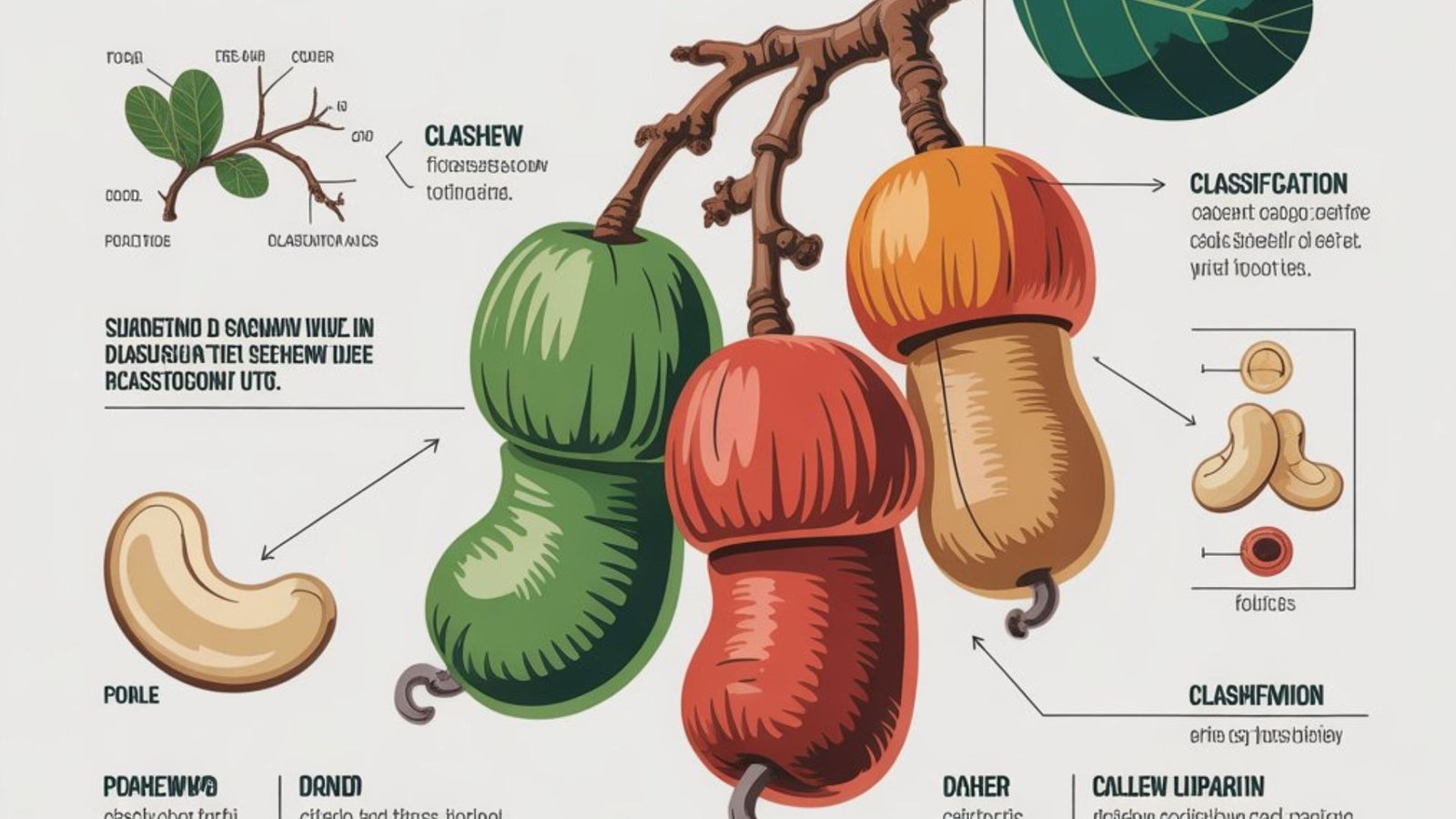
However, when comparing cashews and tree nuts botanically, the difference becomes clear. While tree nuts like almonds and walnuts grow inside a hard shell, cashews develop outside the fruit as a seed. The structural differences between cashews and tree nuts highlight that, although they may act similarly in the kitchen, they are different biologically.
Distribution and Habitat of Cashews
Cashews thrive in tropical and subtropical climates. The cashew tree is native to Brazil, but it is now grown in other countries such as India, Vietnam, and parts of Africa. The best cashew growing conditions include warm temperatures and well-drained soil. Cashews require a lot of sunlight and can grow in a variety of soils, which makes them adaptable to different regions.
These trees are grown primarily in countries that have favorable conditions for their growth, with India being the largest producer of cashews. The cashew plant growing conditions play a significant role in how the trees produce high-quality nuts.
Cultivation and Harvesting of Cashews
These seed are harvested from cashew trees after the fruit has ripened. Cashew nut processing involves separating the seed from the cashew apple. The seed, or nut, is then carefully processed to remove its toxic outer shell. This is a critical step because the shell contains an irritating substance. The harvesting process can be labor-intensive, requiring careful handling to ensure the seeds are safe to eat.
After the nuts are processed, they are either sold raw or roasted, depending on market demand. The entire cashew nut processing procedure ensures that the product is both safe and tasty, ready for consumption. The harvesting season usually lasts for several months, depending on the region.
Nutritional Value of Cashews
This seed are highly nutritious and offer many health benefits. They are rich in healthy fats, protein, and fiber, making them a great addition to a balanced diet. A serving of cashews can also provide essential vitamins such as Vitamin K and minerals like magnesium and zinc. Cashews are often used as a snack to keep hunger at bay or as an ingredient in cashew butter or cashew milk.
In terms of cashew protein content, cashews are a great source of plant-based protein. A handful of cashews can provide a good portion of your daily protein needs, making them an excellent choice for vegetarians and vegans. Additionally, their fat content is predominantly healthy fats, which are beneficial for heart health.
Cashew Derivatives: Cashew Butter, Milk, and Cream
In recent years, cashew-based products have gained popularity. Cashew butter is a creamy, spreadable product made by grinding cashews into a smooth paste. This seed milk has also become a popular plant-based alternative to dairy milk, thanks to its mild flavor and creamy texture. Cashew cream is another derivative, often used as a dairy substitute in vegan recipes, particularly for sauces or desserts.
The cashew butter nutrition is impressive, as it’s rich in healthy fats, protein, and a variety of vitamins and minerals. It’s also a great alternative for those looking for nut substitutes for vegans, providing the same creamy texture and richness as dairy-based butter or creams.
Health Benefits of Cashews
Cashews are not only delicious but also good for you. Their high content of monounsaturated fats makes them heart-healthy and can help reduce bad cholesterol (LDL). Additionally, cashews are rich in antioxidants, which help fight free radicals in the body. This can contribute to healthier skin, reduced inflammation, and a lower risk of chronic diseases like heart disease.
Cashews for weight loss are also beneficial, as they are filling and provide steady energy without spiking blood sugar levels. Incorporating cashews into your diet may also improve digestion, support bone health due to their magnesium content, and enhance overall wellness.
Cashew Allergy and Sensitivity
Cashews, like other tree nuts, can cause allergic reactions in some individuals. Cashew allergy symptoms may include itching, swelling, or more severe reactions like anaphylaxis. People who are allergic to tree nuts should be cautious and avoid consuming cashews. It’s important to note that cashews and peanuts are not the same, and tree nut allergy vs cashew allergy requires specific diagnosis and management.
If you have a cashew allergy, always check labels on processed foods and avoid products that contain cashews or cashew derivatives. Severe allergic reactions can be life-threatening, so it’s vital to carry an epinephrine auto-injector if prescribed.
The Bottom Line: Are Cashews Tree Nuts?
So, are cashews tree nuts? The answer is no, at least not botanically. Cashews are seeds, not true nuts. They grow from a drupe, a type of fleshy fruit, and are classified as such in botanical classification. However, cashews and tree nuts share many similarities in terms of nutrition and culinary use. They provide healthy fats, protein, and are commonly found in snacks, butter, and milk products.
Despite not being a true nut, cashews are still widely used as a tree nut substitute in recipes and are often grouped with nuts for nutritional purposes.
Conclusion
In conclusion, cashews are fascinating because they don’t neatly fit into the typical “tree nut” category. From their botanical classification to their health benefits, cashews stand out as a versatile food. Whether you’re using them as a snack, in recipes, or as a nut substitute for vegans, they offer a wide range of advantages. So, while they aren’t technically tree nuts, their value in your diet and kitchen is undeniable.
Are you ready to try cashews in your next recipe? Whether in cashew milk or cashew butter, this delicious seed will surely add a flavorful, nutritious touch to your meals.
FAQs
Q1 ; Can I eat cashews if I have a tree nut allergy?
If you have a tree nut allergy, it’s best to avoid cashews. They can cause severe allergic reactions, similar to other tree nuts.
Q2 ; Why is a cashew not a true nut?
A cashew is botanically a drupe seed, not a true nut. True nuts grow inside a hard shell, while cashews develop inside a fleshy fruit.
Q3 ; Is cashew a type of tree nut?
Though cashews aren’t true nuts, they are commonly classified as tree nuts. This classification is based on their similar nutritional and culinary characteristics.
Q4 ; What nut is not a tree nut?
Peanuts are not tree nuts; they’re legumes, growing underground. Despite their similarity to nuts, they belong to a different plant family.
What is the deadliest nut allergy?
The deadliest nut allergy is usually a peanut allergy, which can cause life-threatening reactions. Tree nut allergies (including cashews) are also highly dangerous.