

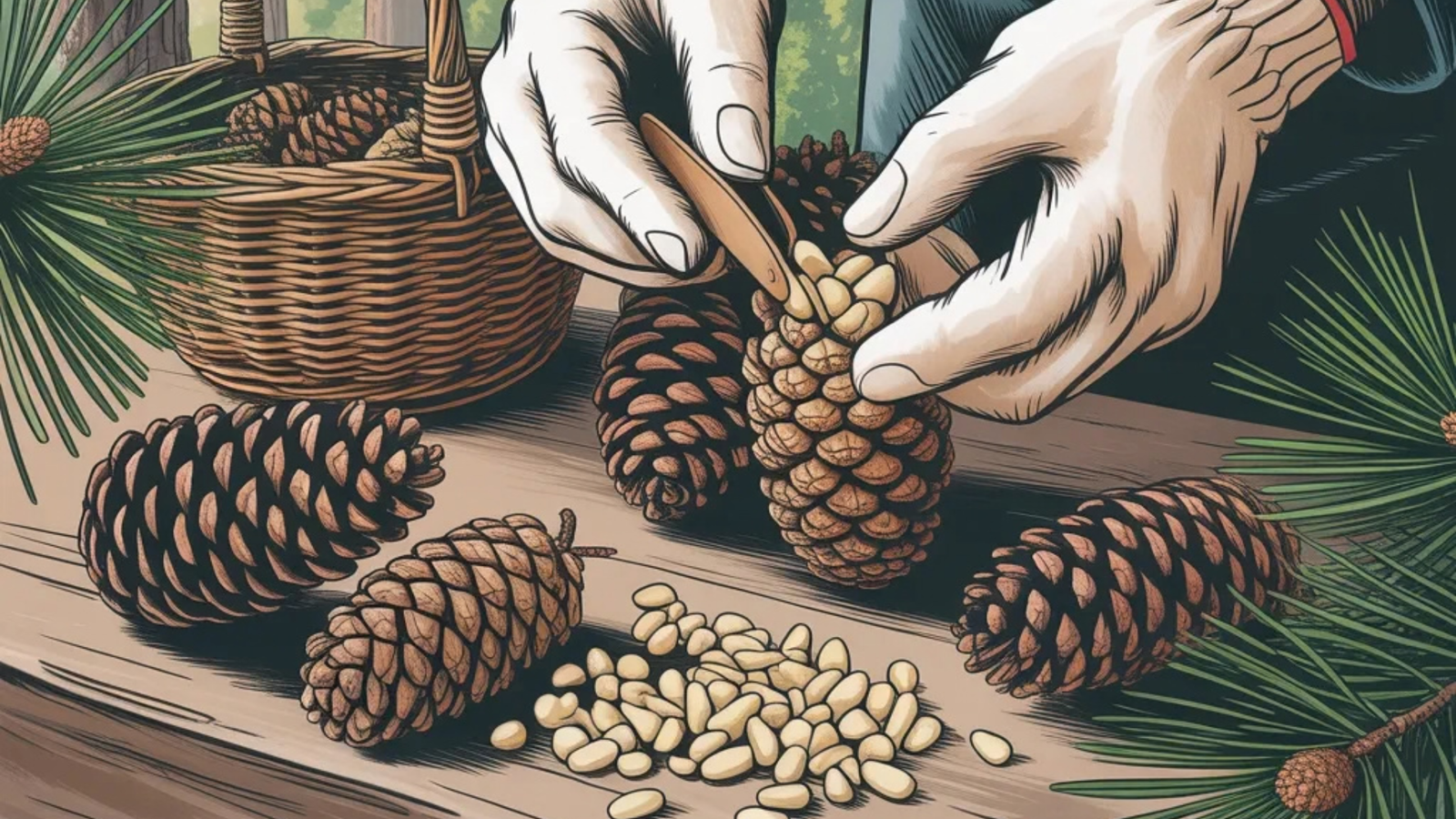
Harvesting pine nuts from nature is both rewarding and practical. Many people are curious about how to harvest pine nuts because these small seeds are rich in flavor and nutrients. A simple pine nut harvesting guide helps you understand where the nuts come from and how to collect them safely.
The process usually starts with collecting pine cones for nuts from mature pine trees during the right season. After that, the cones must dry so the seeds can fall out naturally. Learning proper drying pine cones for pine nuts and basic pine nut processing steps ensures you get clean, edible kernels. With the right knowledge, anyone can gather pine nuts and enjoy this traditional forest food at home.
Where Do Pine Nuts Come From?
Pine nuts come from cones produced by several pine species. Inside each cone you will find small seeds that eventually become edible nuts. These seeds form beneath protective pine cone scales that slowly open when the cone matures. Many foragers study how to harvest pine nuts from pine cones to collect them correctly.
These seeds begin developing inside young green pine cones growing high on pine branches. The seeds eventually harden into pine nut kernels protected by tough pine nut shells. During natural growth, the cones dry slowly through a pine cone drying process, allowing the seeds to mature fully.
Best Pine Trees for Harvesting Pine Nuts
Not every pine tree produces edible nuts large enough to harvest. The best trees belong to the pinyon pine group found mostly in western North America. Successful pinyon pine nut harvesting depends on identifying the correct species before collecting cones.
Common trees used for nut harvesting include the pinyon pine tree, Colorado pinyon pine, Mexican pinyon pine, and single-leaf pinyon pine. These trees produce large pine tree nut seeds compared with other pine species. Many experienced collectors prefer these trees because they simplify collecting pine cones for nuts.
| Pine Tree Species | Region in the USA | Nut Size |
| Colorado pinyon pine | Southwest USA | Medium |
| Mexican pinyon pine | Southern regions | Large |
| single-leaf pinyon pine | Western mountains | Large |
When Is the Best Time to Harvest Pine Nuts?
Timing plays an important role in the pine nut harvesting season. Pine cones must mature fully before harvest begins. However, they must remain closed so wildlife cannot steal the seeds.
The best moment for picking pine cones from trees occurs when cones change from green to brown but remain closed. Many collectors observe the cones closely before collecting pine cones for nuts because once the cone opens, birds and squirrels often remove the seeds.
How to Harvest Pine Cones from Pine Trees
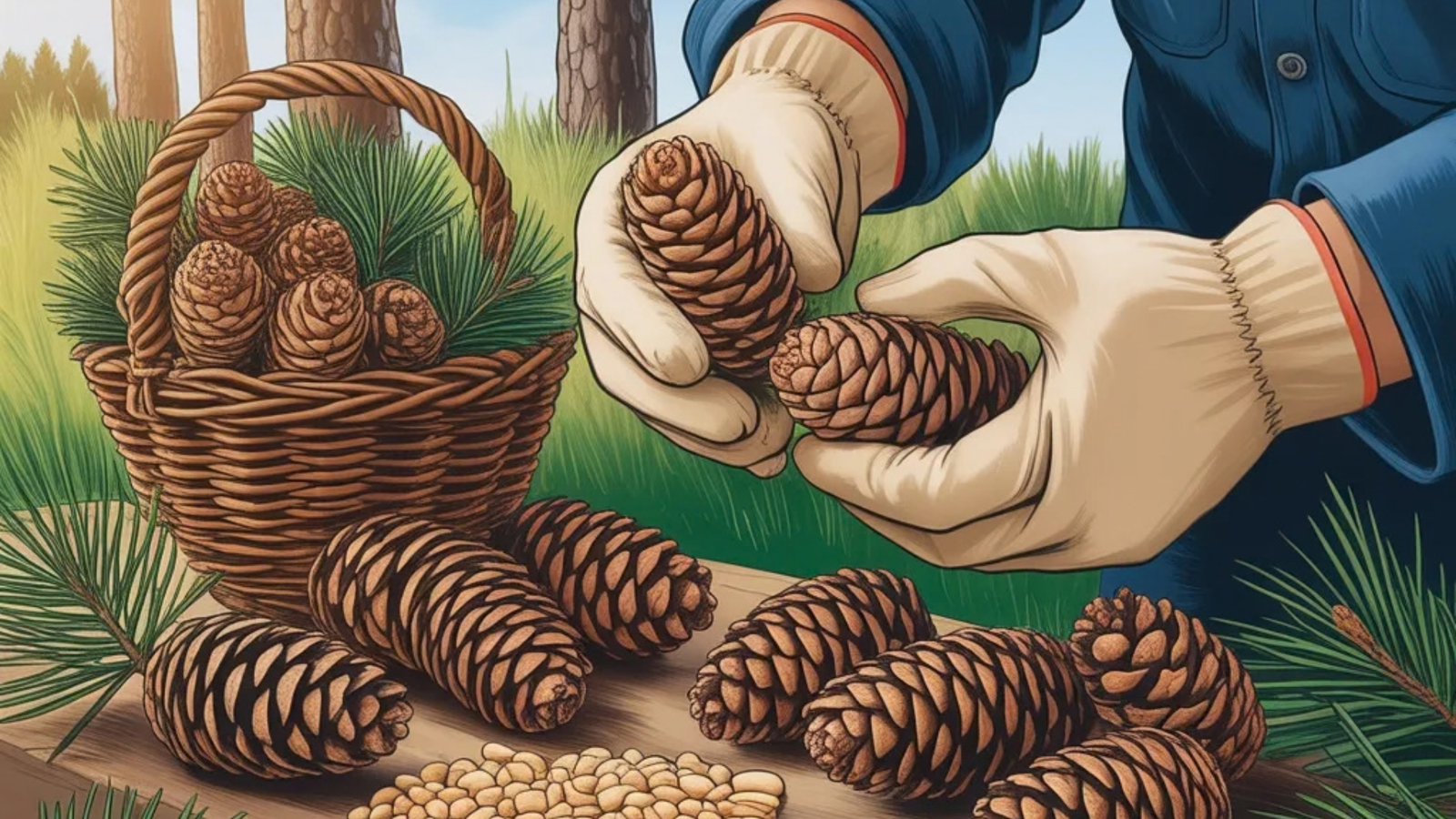
Successful harvesting begins with safe cone collection. Many people bring bags or baskets when picking pine cones from trees during the harvest season. Some collectors gently twist cones from branches while others gather fallen cones from the ground.
Wearing protective gloves makes the process easier. Sticky natural pine tree resin sap often coats pine cones and branches. Many experienced harvesters wear strong garden harvesting gloves while using simple pine nut harvesting tools such as small baskets or cloth sacks.
Drying Pine Cones to Release Pine Nuts
After harvesting cones, the next stage begins. The cones must dry slowly so they open naturally. Many traditional pine nut drying methods involve spreading cones in the sun for several weeks.
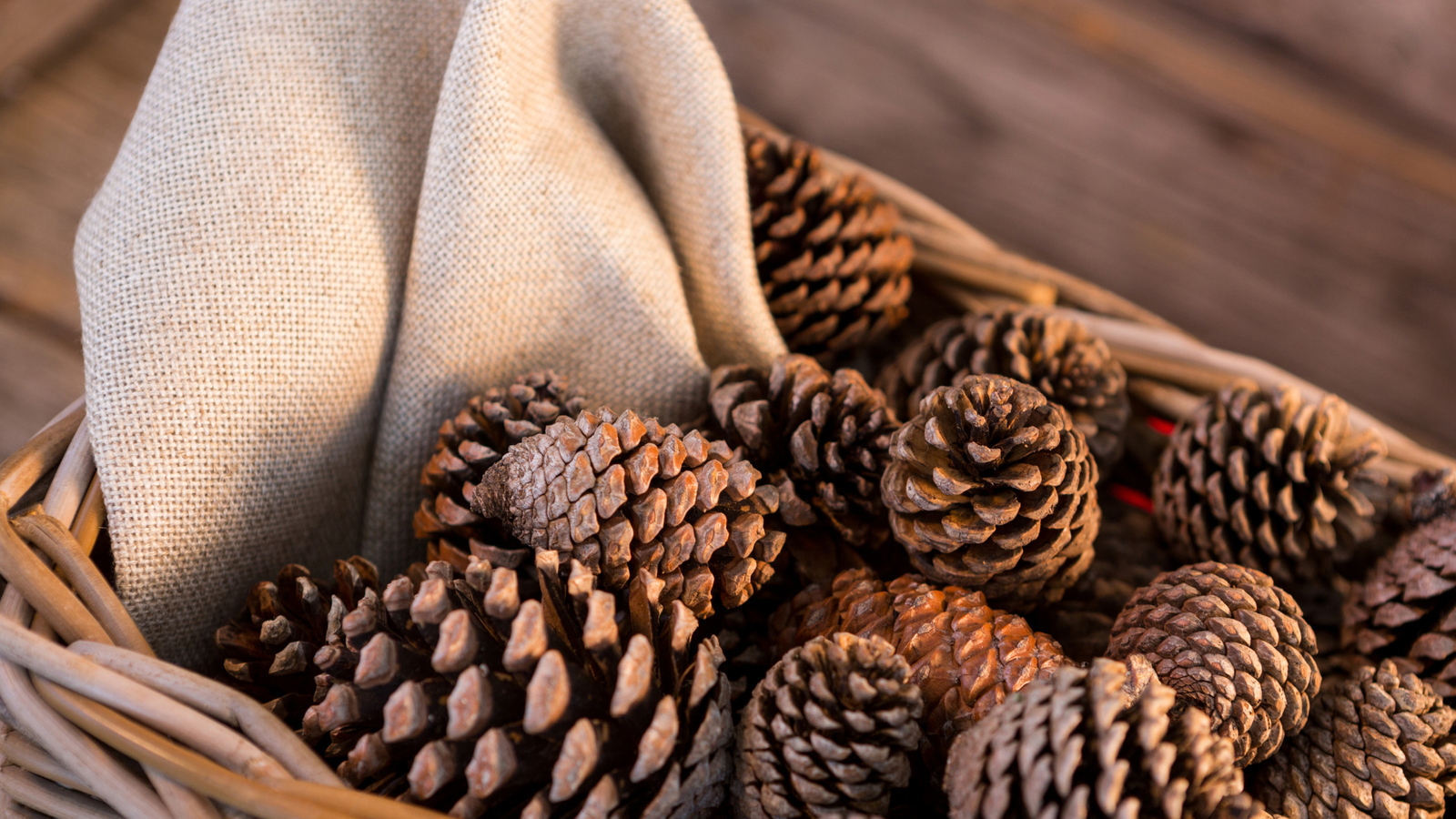
One simple method involves using the burlap bag drying technique. This approach supports proper airflow during drying pine cones for pine nuts. As cones dry, the pine cone drying process slowly separates the scales which helps with later pine cone nut extraction.
| Drying Method | Average Time |
| Sun drying | 2–3 weeks |
| Indoor drying | 3–4 weeks |
| Warm oven drying | 30–45 minutes |
Faster Method: Roasting Pine Cones to Open Them
Sometimes collectors prefer faster drying. In this case they use heat to open the cones. Many people search for how to roast pine cones when they want quicker results.
The pine cone roasting method involves placing cones in an oven at moderate heat. This heat speeds up the natural opening process. After roasting, the pine cone scales spread apart which allows easy pine cone nut extraction.
How to Shell Pine Nuts Easily
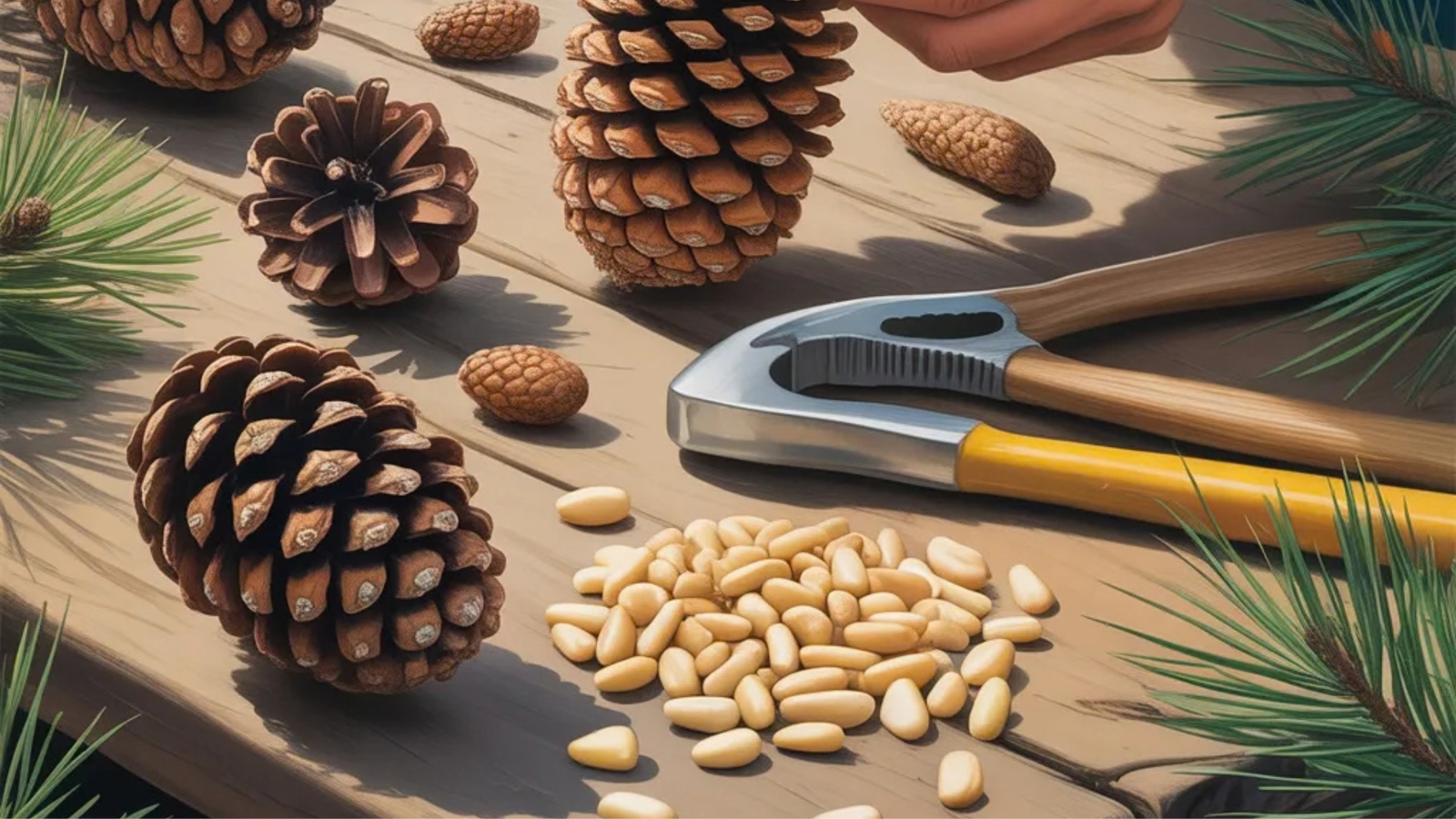
Once the cones open, the seeds must be removed carefully. The process of how to shell pine nuts requires patience because each nut remains protected by strong pine nut shells.
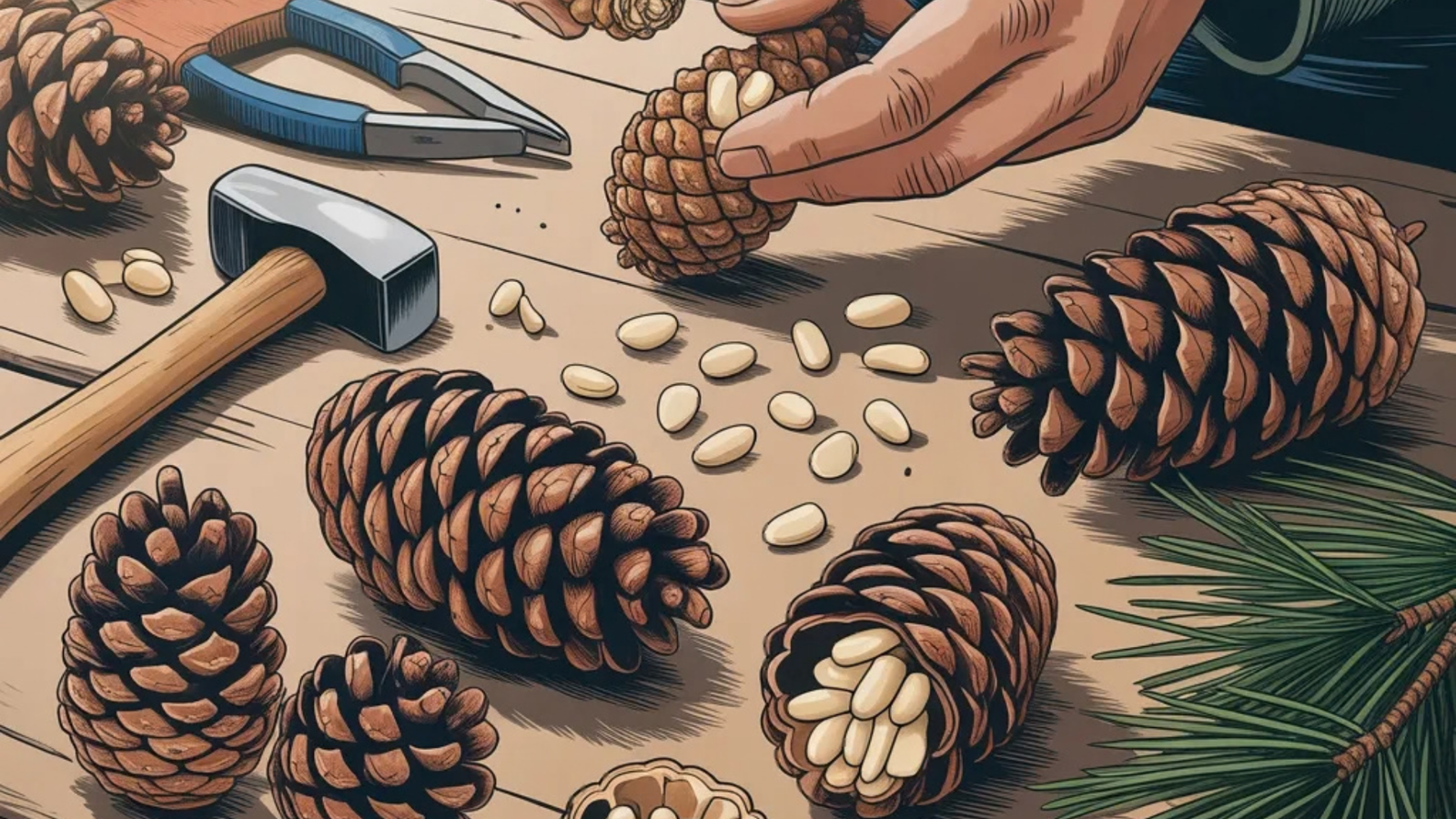
Many people perform pine nut shell removal by pressing the shell gently between their fingers. Others use small tools to break the shells. During this stage, collectors also focus on cleaning pine nuts after harvesting so only healthy pine nut kernels remain.
| Step | Purpose |
| Remove seeds from cones | Begin pine nut processing steps |
| Crack shell gently | Expose kernels |
| Wash or sort seeds | Improve quality |
Best Ways to Store Pine Nuts After Harvesting
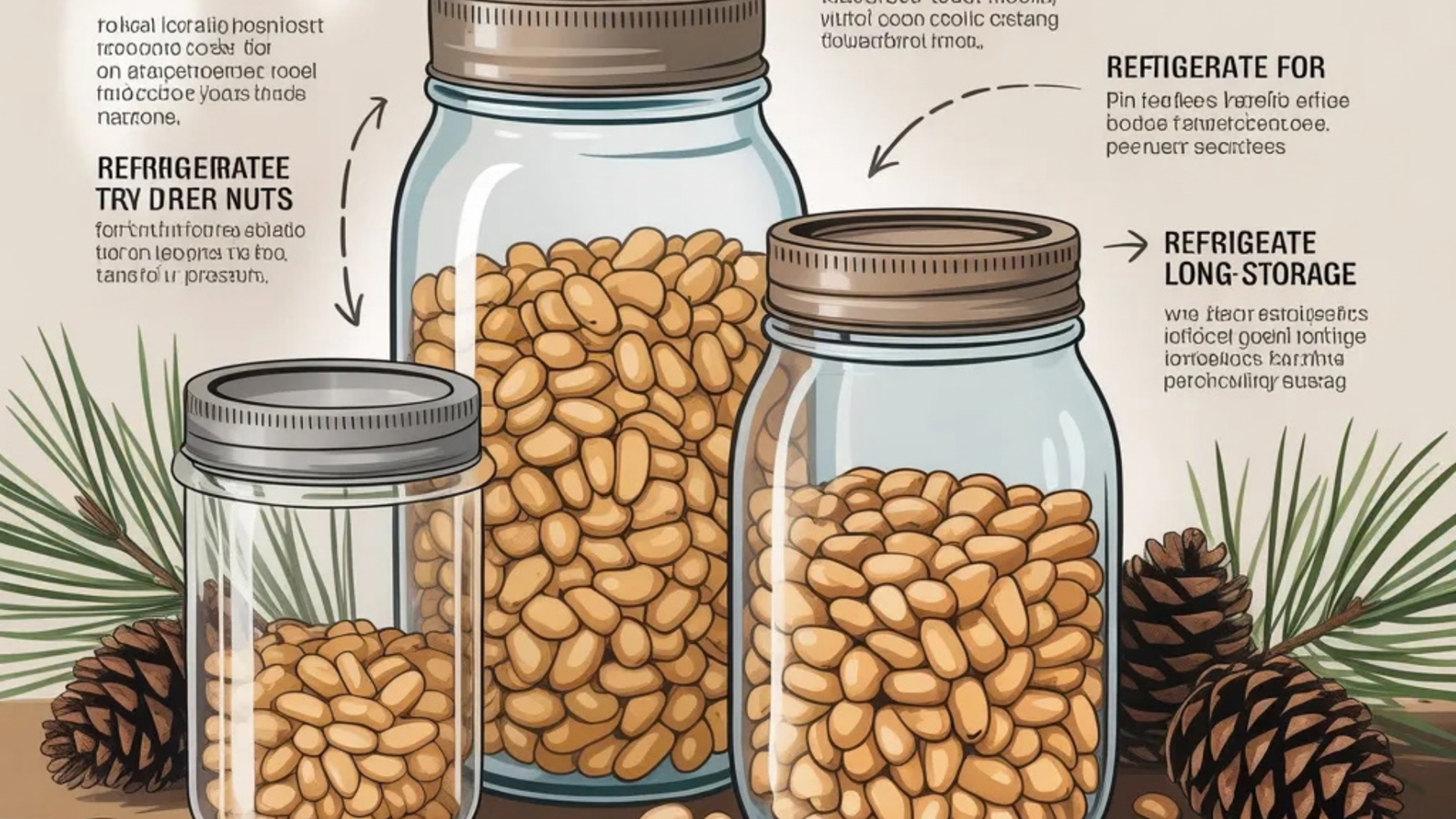
Fresh pine nuts contain natural oils that spoil quickly. Because of this, collectors must understand how to store pine nuts properly after shelling them.
Many gardeners place their nuts inside sealed pine nut storage containers and keep them cool. Long-term storage requires refrigerated pine nut storage or freezing pine nuts for storage. These pine nuts preservation methods protect flavor and nutrition.
| Storage Method | Storage Time |
| Refrigerator | 1 month |
| Freezer | 3–6 months |
How to Use Fresh Pine Nuts in Cooking
After finishing the pine nut harvesting process, many people enjoy experimenting in the kitchen. Fresh nuts taste rich and slightly buttery which makes them popular worldwide.
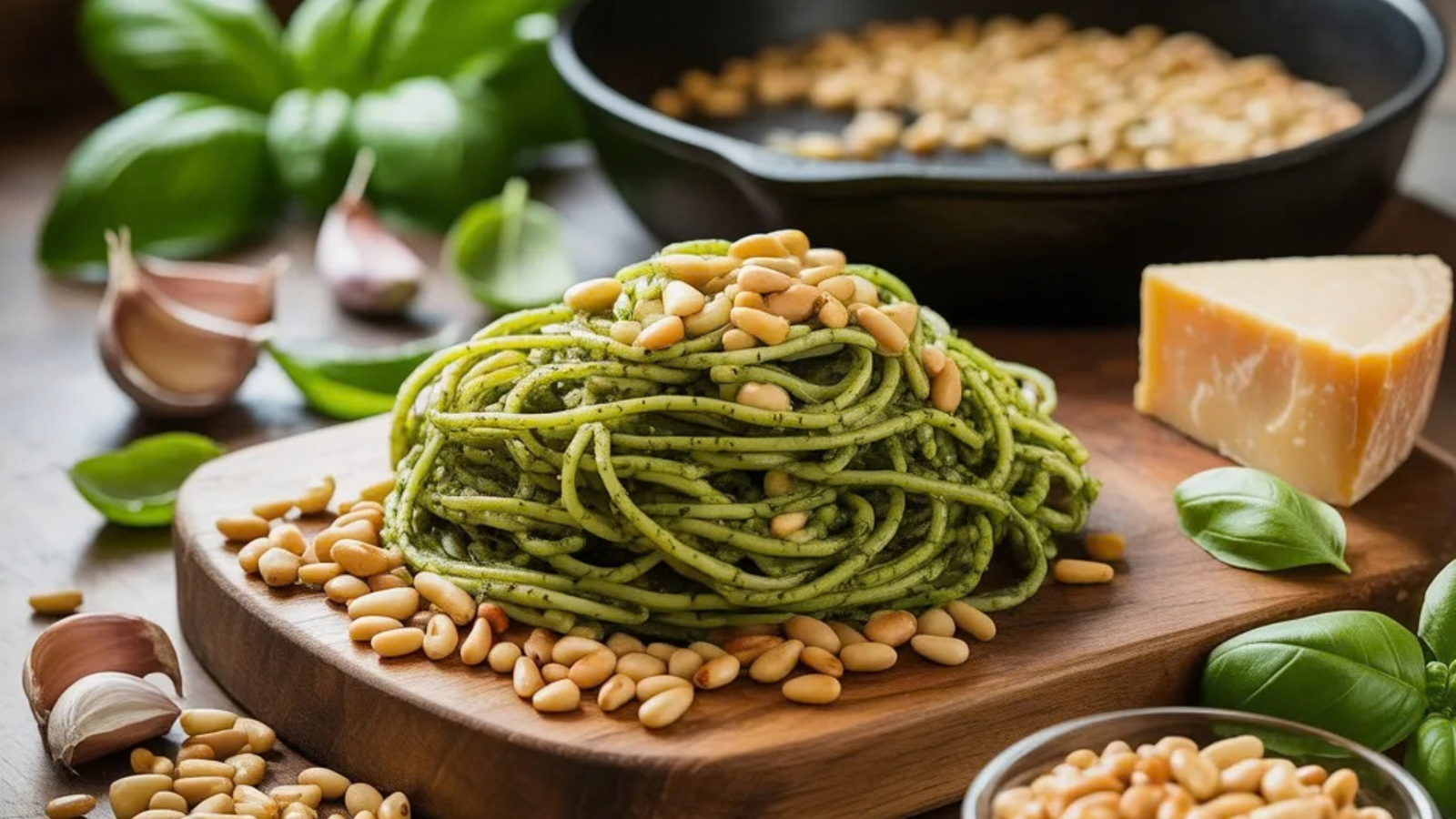
Many chefs explore creative pine nuts cooking uses. Pine nuts appear in salads, pasta, soups, and baked dishes. One classic recipe uses them as a pine nut pesto recipe ingredient. These recipes demonstrate the wide variety of pine nut culinary uses.
“Fresh pine nuts bring a delicate, buttery flavor that transforms simple dishes.”
Common Mistakes When Harvesting Pine Nuts
Beginners sometimes make mistakes during their first harvest. Collecting cones after they open often results in empty cones. Learning the correct pine nut harvesting season helps prevent this problem.
Another mistake involves skipping important pine nut processing steps such as proper drying and sorting. Without correct drying, the nuts may spoil. Careful pine nut shell removal and good pine nuts preservation methods help protect your harvest.
Conclusion
Learning how to harvest pine nuts connects you with traditional food gathering practices. With the right pine nut harvesting guide, anyone can gather cones, open them, and enjoy fresh nuts from nature.
When you understand the full pine nut harvesting process, success becomes easier. From collecting pine cones for nuts to proper storage, each step protects flavor and quality. Soon you can enjoy delicious nuts harvested directly from forest pine trees.
FAQs
Q1 Why do I feel sick after eating pine nuts?
Some people experience “pine mouth,” a temporary bitter taste or mild stomach upset after eating certain pine nuts.
Q2 Can you eat pine nuts from any pine tree?
No, only specific pine species produce edible pine nuts; many pine trees have seeds that are too small or not suitable for eating.
Q: 3 Are pine nuts good for diabetes?
Yes, pine nuts contain healthy fats and protein that may help control blood sugar when eaten in moderation.
Q4: How do you get pine nuts out of pine cones?
You dry the pine cones until they open, then shake or tap them to release the seeds before cracking the shells.
Q5: Why avoid pine nuts?
Some people avoid pine nuts due to allergies, high calorie content, or the temporary bitter taste known as pine mouth.