
When cold weather arrives, most gardeners assume their pepper plants are finished for the year. But how to overwinter pepper plants is the secret to keeping them alive for next season’s harvest. By protecting and nurturing your peppers through winter, you can enjoy stronger, earlier, and more productive plants in spring. This simple process helps gardeners save time, preserve favorite varieties, and increase yields.
Whether you’re overwintering pepper plants indoors , **keeping pepper plants alive in winter**, or storing them in a **greenhouse overwintering peppers**, the right care makes all the difference. With patience and proper technique, your peppers will thrive year after year, rewarding you with bigger, tastier harvests.
Why Overwintering Pepper Plants Matters
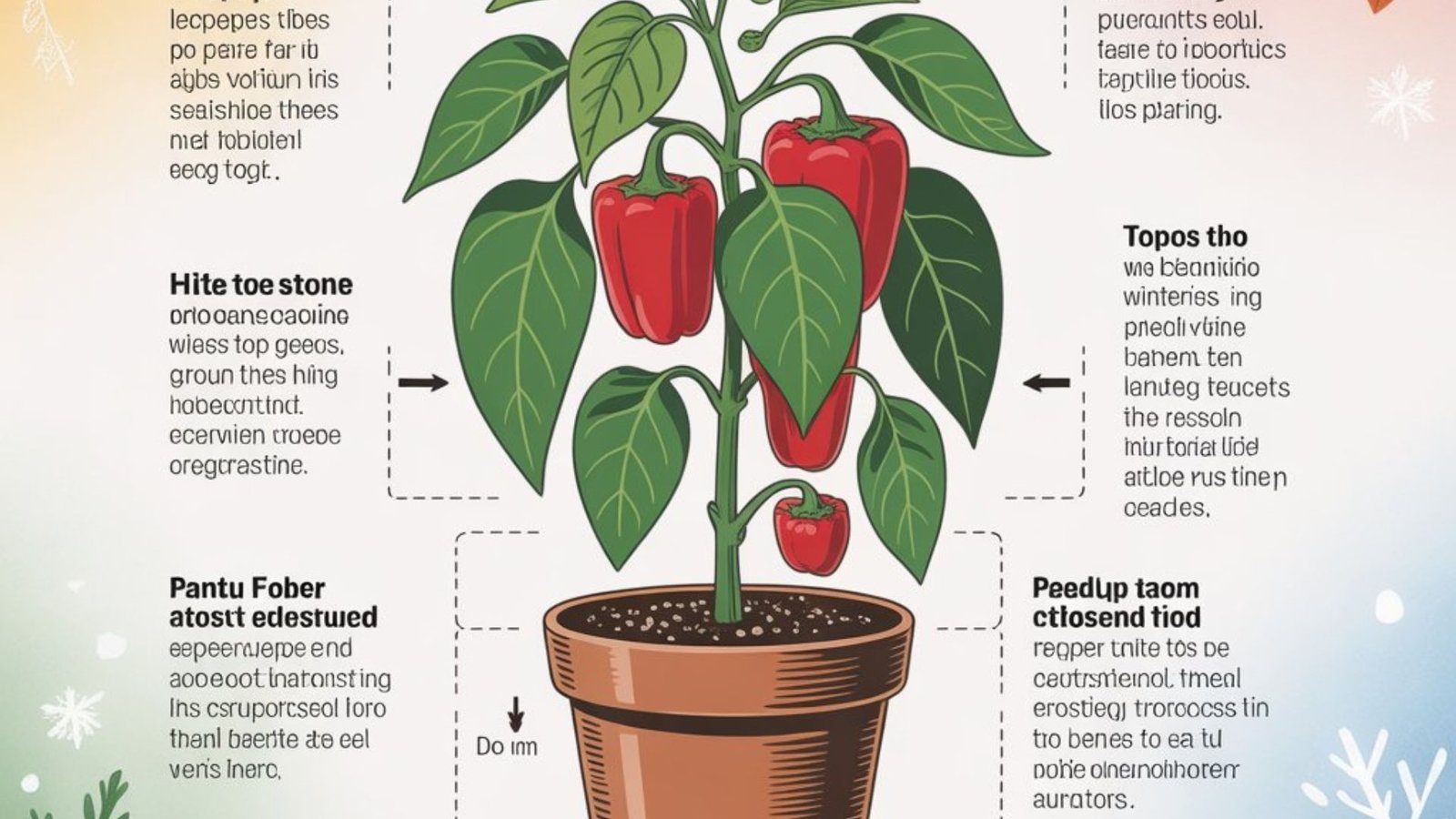
Overwintering isn’t just about saving plants—it’s about saving time and effort. A pepper that’s already a year old grows stronger, flowers faster, and produces earlier. When you learn how to overwinter peppers , you give your garden a head start. Many gardeners lose months every spring waiting for new seedlings, but **overwintering hot pepper plants** skips that delay. How to overwinter pepper plants is very easy method.
In colder regions, overwintering also preserves your favorite pepper genetics. Instead of gambling with new seeds, you can keep the best producers alive, especially prized varieties like **jalapenos** and **chili peppers** that thrive with age. Simply put, it’s an investment that pays off in flavor, size, and yield.
Are Pepper Plants Perennial or Annual?
The answer depends on where you live. **Do pepper plants come back every year?** In tropical regions, yes—they’re true **perennial pepper plants** that can live for years. But in most of the USA, cold winters kill them unless you protect them. So, peppers behave as annuals in colder zones and perennials in warmer climates.
Can pepper plants survive frost?** Unfortunately, no. Temperatures below 32°F (0°C) can kill them within hours. Knowing **what temperature kills pepper plants** is crucial—it’s typically anything below 35°F for extended periods. This is why **overwintering in cold climates** is essential if you want your plants to survive and thrive year after year.
Choosing the Right Pepper Plants to Overwinter
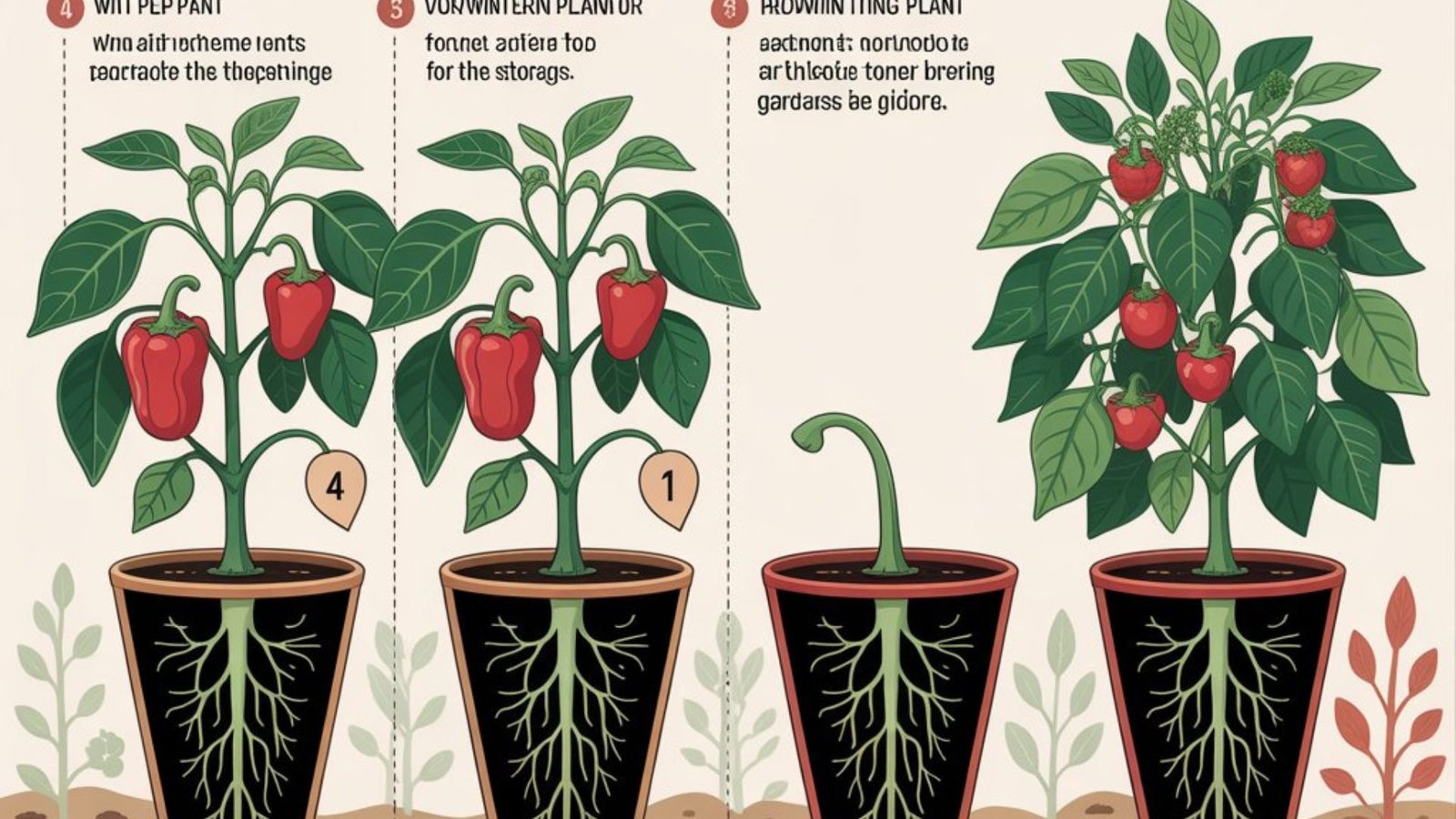
Not every plant deserves a winter stay. Select your healthiest, most vigorous peppers for overwintering. Avoid diseased or pest-infested ones. Large, woody-stemmed plants often adapt better to indoor environments. **Overwintering bell peppers** and **overwintering jalapeno plants** usually respond very well to this process.
Peppers in containers are the easiest to manage. If your peppers are in the ground, you can transplant them before frost arrives. Just remember **when to dig up pepper plants before frost**—do it at least a week before the first expected freeze. Gently lift them, preserving as much root ball as possible.
When and How to Start the Overwintering Process
Timing is everything. Begin the process when night temperatures fall below 50°F. Waiting too long may expose roots to stress or frostbite. Most gardeners start **winterizing pepper plants** around late September to early October, depending on their zone.
Before moving plants indoors, trim off excess growth. Many wonder, **should I prune pepper plants before winter?** Absolutely. It reduces stress and prevents disease. Cut branches back to about one-third of their size. Then clean the leaves with mild soap water to remove pests before transitioning inside.
Step-by-Step Guide to Overwinter Pepper Plants Indoors
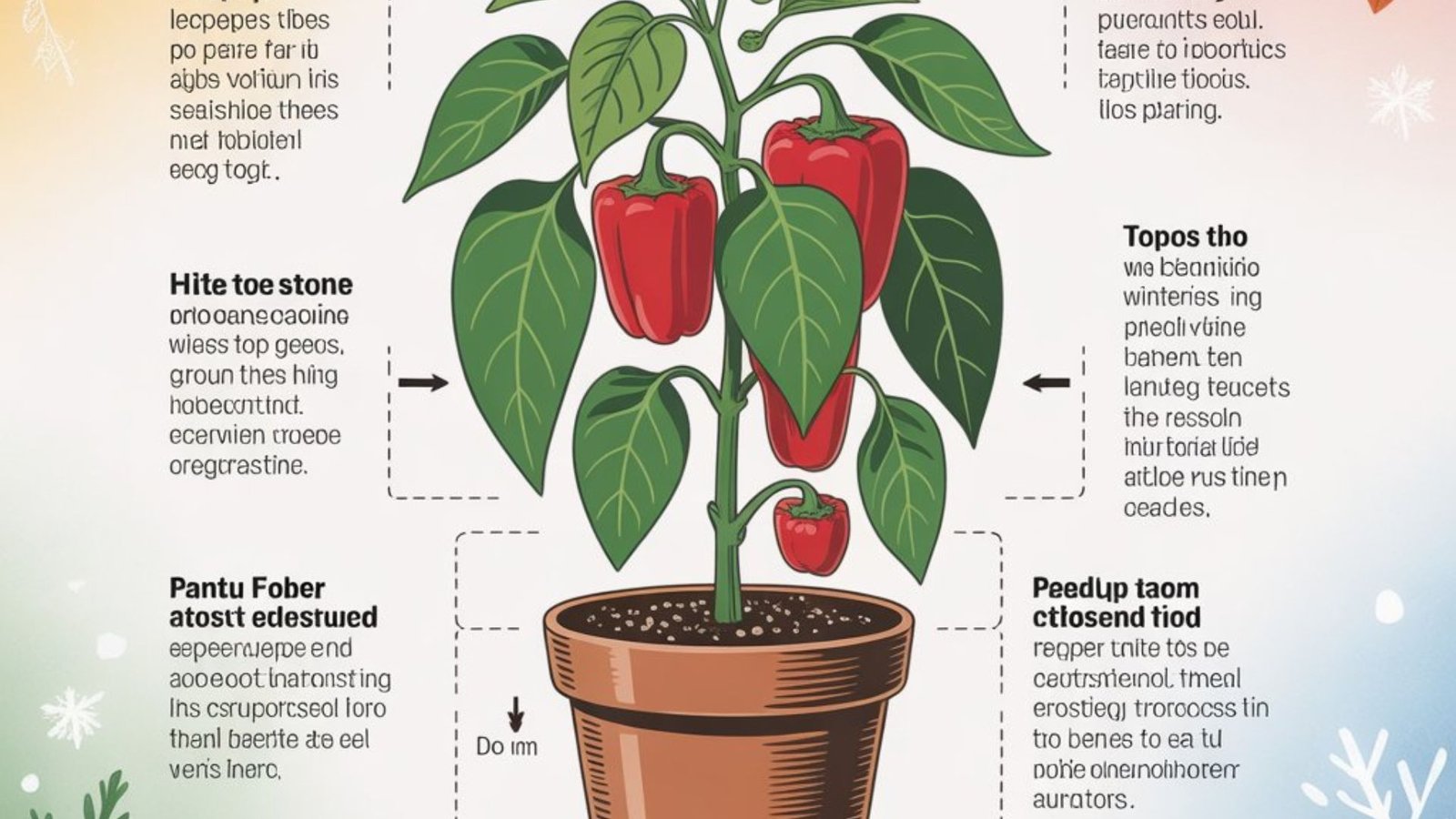
Bringing peppers inside doesn’t have to be complicated. Whether you’re overwintering chili plants or keeping pepper plants alive through winter**, the following approach works for most varieties.
Start by placing them near a sunny window or under a grow light for at least 10–12 hours daily. Avoid over watering—how often to water overwintered peppers? Only when the soil feels dry to the touch. During winter, peppers prefer drier conditions and steady temperatures around 60–70°F.
Here’s a quick comparison of the two main overwintering methods:
Method Light Required Water Needs Growth Type Best For
Dormant Storage None Very little Plant rests Busy gardeners
Active Indoor Growth | 10–12 hrs/day Moderate Slow growth Early spring harvest
Using this table, decide which style fits your routine best. Both approaches succeed if handled with patience and care.
Dormant Storage vs. Active Indoor Growth — Which Is Better?
Choosing between dormancy and active growth depends on your space and commitment. Dormant storage mimics hibernation; the plant rests in a cool area like a **garage** or **basement**. This method works perfectly for **overwintering pepper plants in garage** conditions around 50°F. You’ll water sparingly—perhaps once every few weeks—to prevent root rot.
Active indoor growth, however, keeps your plant producing leaves slowly throughout winter. This approach suits gardeners who want to **grow peppers indoors during winter** under grow lights. Both have pros and cons, but active growth gives a slight spring advantage since plants wake up faster once returned outside.
Tips for Preventing Pests and Diseases During Winter
Indoor environments attract uninvited guests like spider mites or aphids. Before bringing plants in, wash them thoroughly. Use neem oil or insecticidal soap for protection. If you spot any pests later, isolate the affected plant immediately. How to keep pepper plants alive depends heavily on maintaining pest-free conditions.
Humidity is another hidden culprit. Keep air moving with a small fan to avoid mold growth. For **indoor pepper plant care**, balance is key—too dry and leaves drop, too humid and fungi thrive. Regularly inspect your plants and adjust your watering schedule accordingly.
How to Revive and Replant Overwintered Peppers in Spring
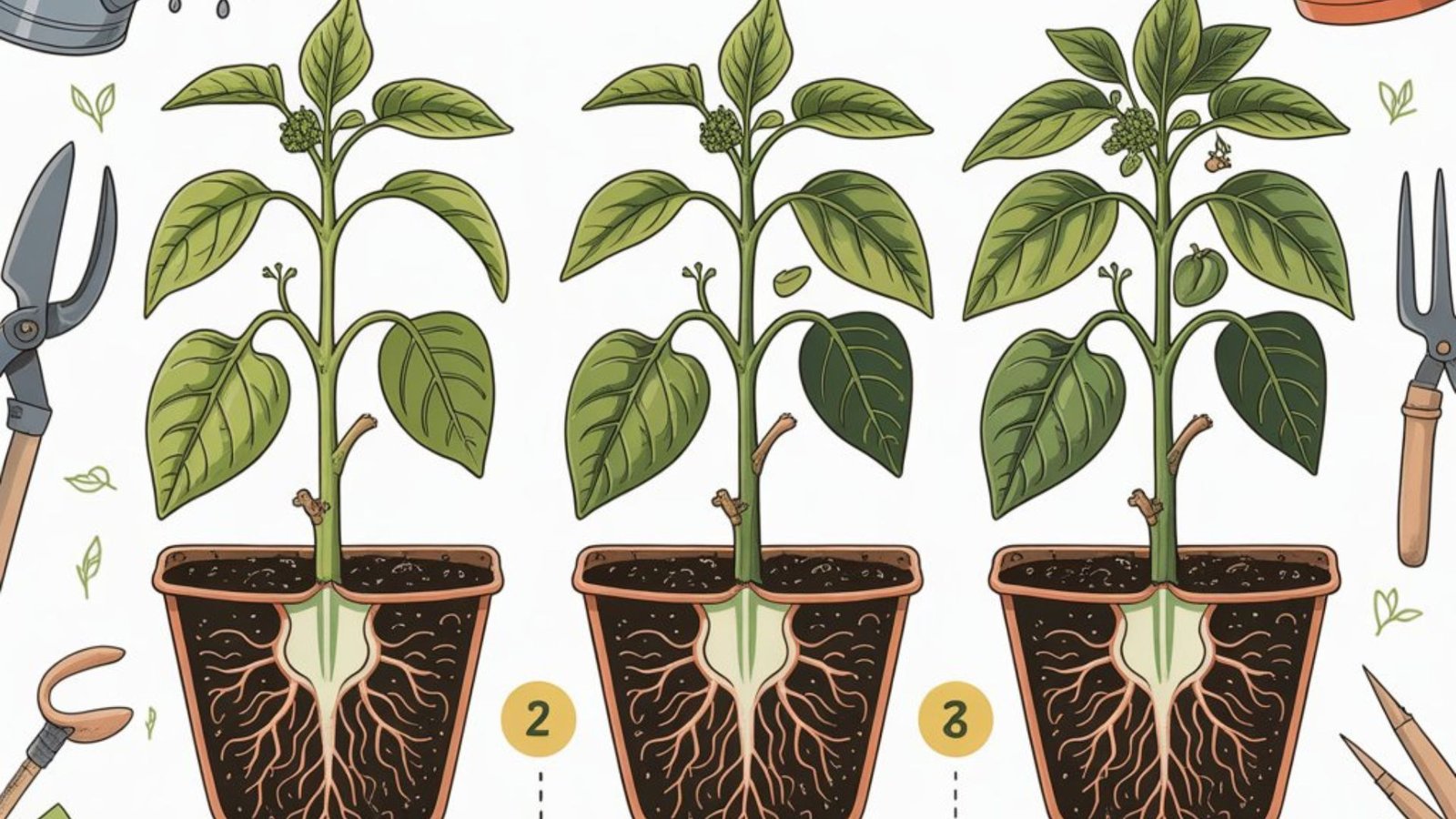
Once spring returns, it’s time to reawaken your **dormant pepper plants**. Begin by moving them to brighter light gradually. Wondering **when to put pepper plants back outside ? Wait until all frost danger passes and nights stay above 55°F.
If your plants look weak, prune lightly and feed them with diluted fertilizer. This helps with **how to revive overwintered pepper plants** so they quickly regain vigor. Within weeks, you’ll notice new shoots and buds forming—signs that your efforts paid off beautifully.
Benefits of Overwintering — Faster Growth and Bigger Yields
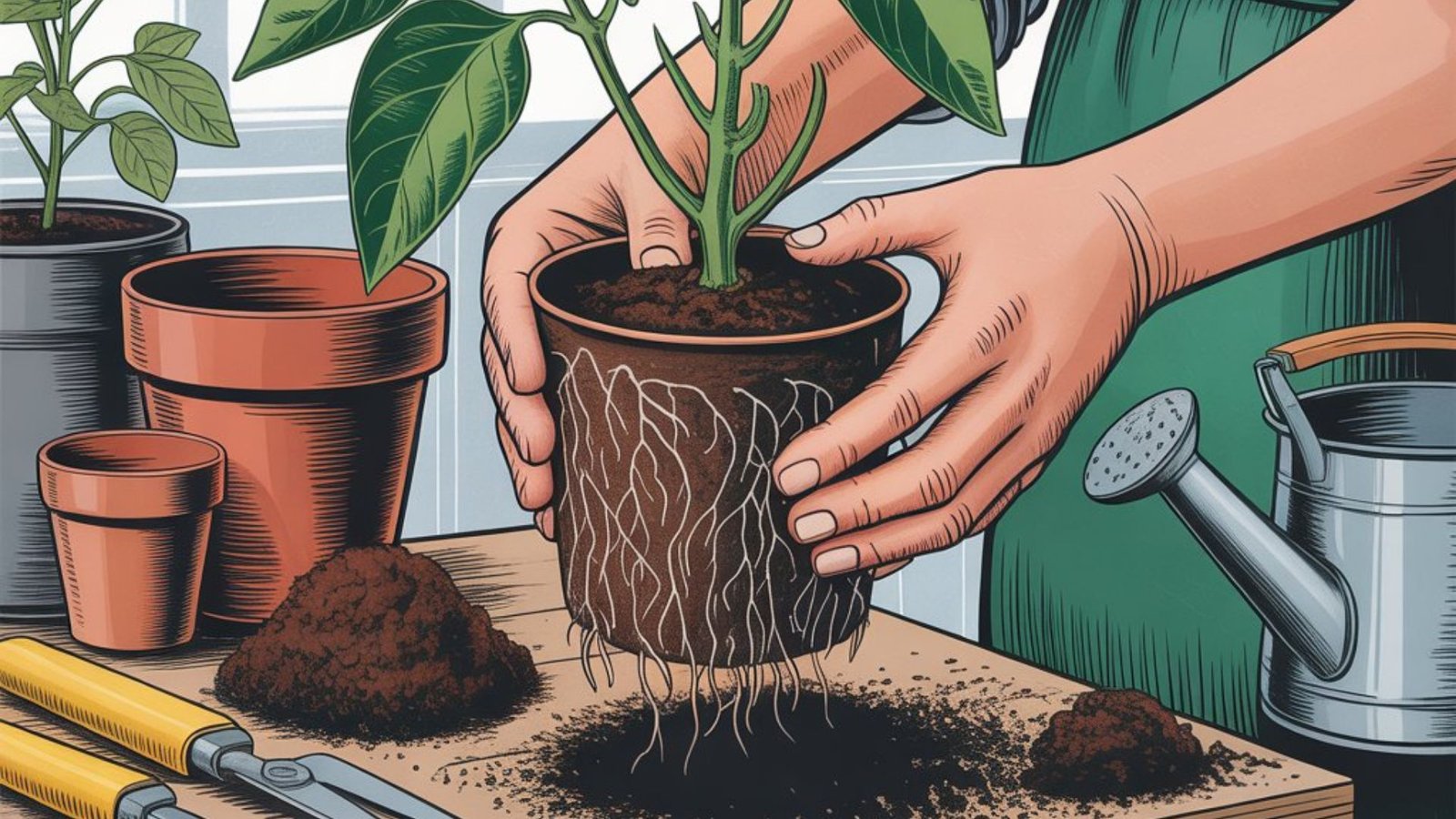
Overwintered peppers have a serious head start. Since the root system is already mature, plants resume growth faster than new seedlings. The result? Earlier blooms and double the fruit production. Many gardeners notice that overwintering vs replanting peppers saves not just time, but months of effort.
How to overwinter peppers in pots** also allows easy transport and control. When you plant these rejuvenated peppers outdoors, they quickly establish, producing richer colors and flavors. The reward of **bigger yields** in spring makes every bit of winter care worthwhile.
Common Mistakes to Avoid When Overwintering Peppers
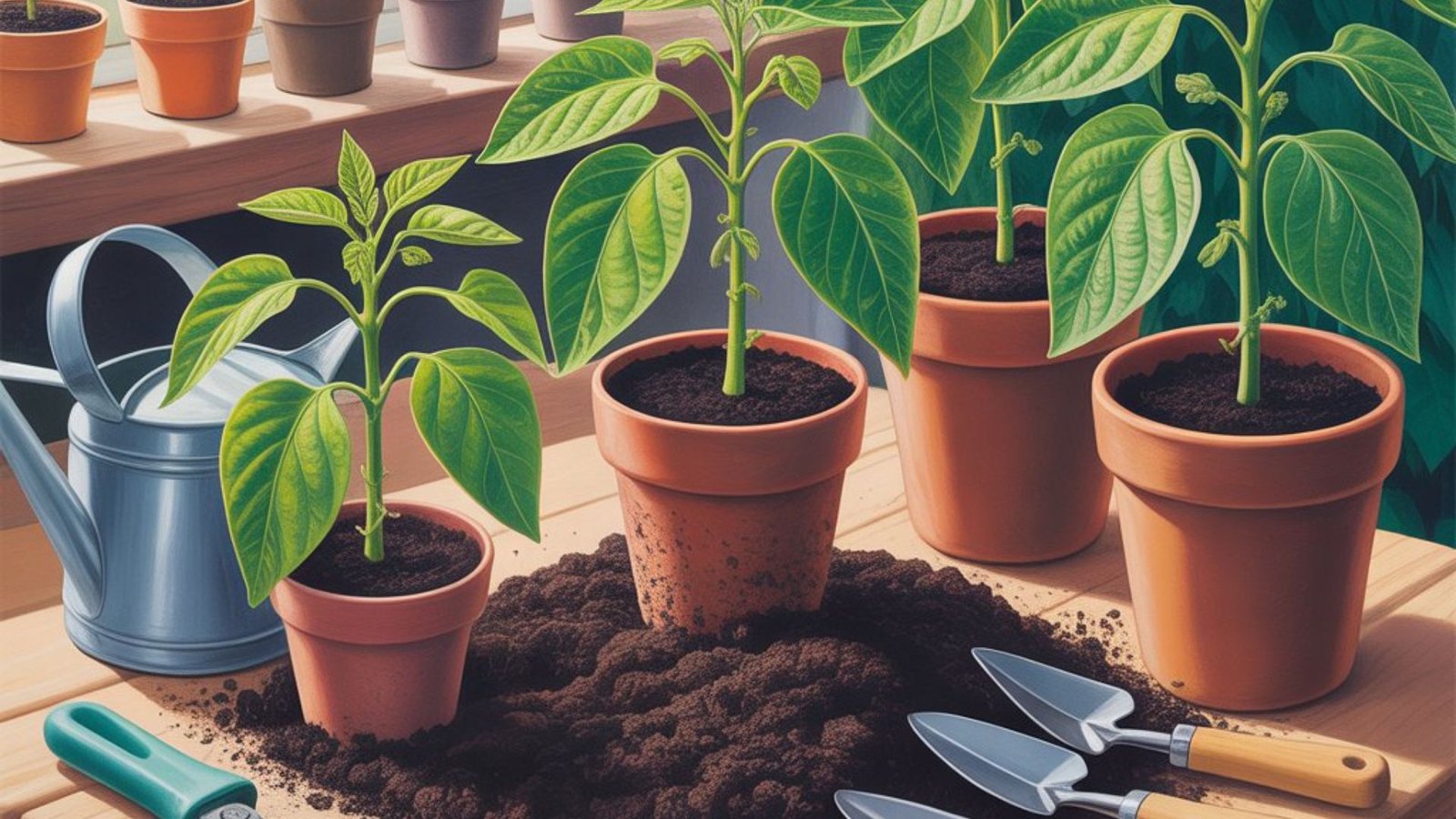
Even experienced growers slip up sometimes. One major error is over watering. Remember, less is more in winter. Another is skipping pest checks before bringing plants inside—this can cause infestations that spread rapidly. Some gardeners forget to prune, but **can you overwinter peppers without pruning?** Technically yes, but it leads to leggy, weak plants.
Don’t expose them to cold drafts or fluctuating temperatures. Stability is key. Failing to adjust lighting and humidity may also stunt recovery. Avoid these **mistakes to avoid when overwintering peppers**, and you’ll enjoy vigorous, healthy plants next season.
Conclusion – Enjoying a Thriving Pepper Garden Year After Year
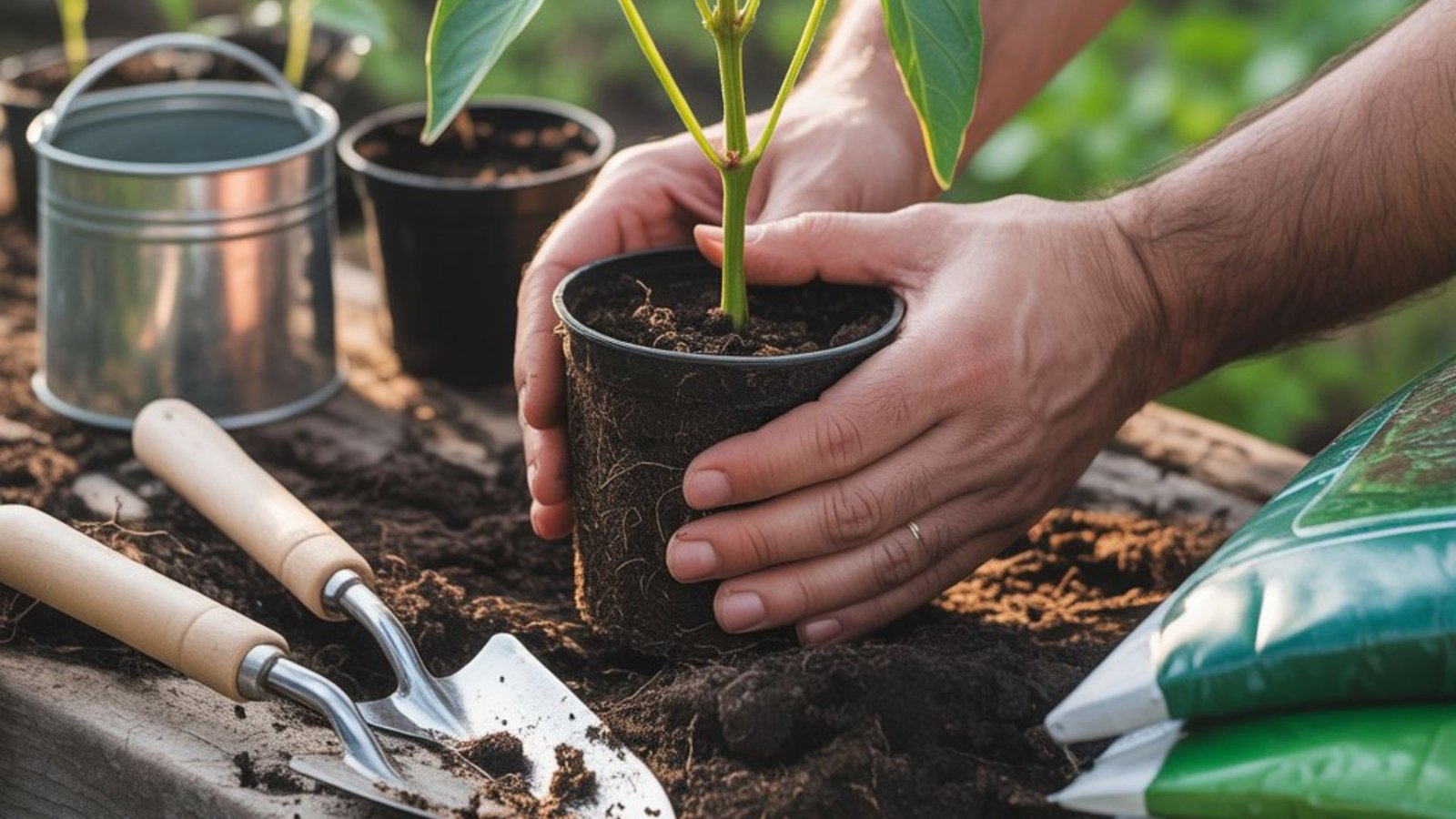
How to overwinter pepper plants isn’t just a gardening trick—it’s a strategy for abundance. With proper preparation, pruning, and patience, you can keep your favorite pepper plants alive for many seasons. Imagine harvesting **jalapenos** or **bell peppers** from plants you’ve nurtured for years—it’s both rewarding and sustainable.
So the next time frost threatens, don’t discard your peppers. Instead, bring them inside, follow this overwintering guide for gardeners , and discover the joy of seeing your plants burst back to life when spring arrives. With a little care, your peppers won’t just survive winter—they’ll conquer it.
FAQs
Q 1 ; How to keep pepper plants over winter indoors?
Place them in a sunny window or under grow lights, keep soil slightly moist, and maintain temperatures around 60–70°F.
Q 2 ; Can peppers survive a 40 degree night?
Most pepper plants cannot survive prolonged temperatures below 50°F; 40°F is likely to damage or kill them.
Q 3 ; How do you overwinter peppers in the basement?
Trim the plant, pot it in well-draining soil, provide minimal water, and keep it in a cool, frost-free basement with some light.
Q 4 ; Do you pull out pepper plants at the end of the season?
You can pull them out, but to save for next season, overwintering indoors is an option.
Q 5; Is it worth it to overwinter pepper plants?
Yes, if you want to get an early start next spring and avoid buying new seedlings.