
The Fruit Cocktail Tree is a gardening wonder that lets you enjoy a variety of fruits from a single plant. This unique multi fruit tree is created through grafting, allowing peaches, plums, nectarines, and apricots to grow together harmoniously. Perfect for compact spaces, this **all-in-one fruit tree** transforms an ordinary backyard into a lush orchard bursting with colors and flavors. Whether you want a **self-pollinating fruit tree** for easy harvests or a decorative **patio fruit tree** that adds beauty and productivity, this tree is a top choice. It’s ideal for gardeners who dream of savoring homegrown fruit all season long without the need for multiple trees.
What Is a Fruit Cocktail Tree?
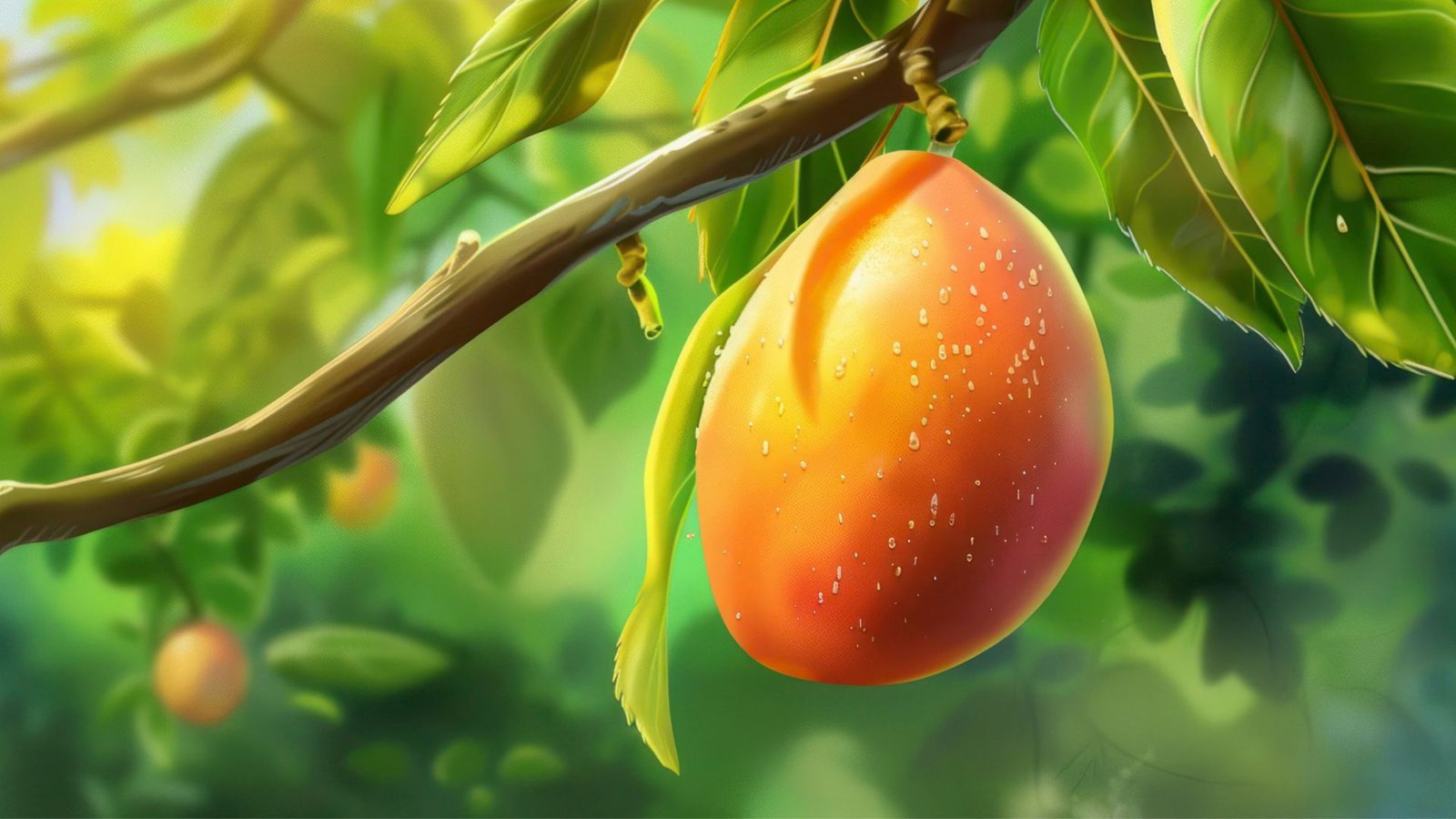
A Fruit Cocktail Tree is a **cross-grafted fruit tree** that combines multiple **stone fruit tree combinations**—such as peaches, plums, apricots, and nectarines—on one root stock. This tree is created through a process called grafting, where buds or branches from different trees are joined to grow together as one. The result is a **multi fruit tree** that produces several delicious fruits in one compact form.
Gardeners love the fruit salad tree not just for its novelty but also for its practicality. By grafting compatible **grafted fruit tree varieties** on a single trunk, you can enjoy fruit all season long without needing extra space. It’s truly a living example of innovation meeting nature’s abundance.
Popular Varieties and Fruit Combinations
Most Fruit Cocktail Trees feature combinations like **grafting peaches, plums, and nectarines on one tree**, giving you both early and late harvests. Common varieties in the USA include Red haven Peach, Moor park Apricot, Santa Rosa Plum, and Hardwired Nectarine—each chosen for flavor, color, and adaptability.
Here’s a quick look at some popular **fruit tree for small gardens** options:
Variety Combination Fruits Produced Harvest Season Special Traits
Peach + Plum + Apricot 3 Fruits Early Summer Balanced flavors
Nectarine + Plum 2 Fruits Mid-Summer Rich aroma
| Peach + Nectarine + Apricot + Plum | 4 Fruits | All Summer | Extended harvest |
| Apricot + Plum | 2 Fruits | Late Summer | High productivity |
Each type offers a unique **homegrown fruit mix**, allowing you to experience a range of tastes from one plant.
Benefits of Growing a Fruit Cocktail Tree
One of the greatest **benefits of growing fruit cocktail trees** is their ability to produce multiple fruits without requiring separate trees. They’re perfect for limited spaces and urban gardeners who crave variety. This **patio fruit tree** thrives in containers or small yards, delivering maximum harvest in minimal space.
They also save time and money. Instead of caring for several trees, you maintain just one **self-pollinating fruit tree**. Plus, since it’s grafted with compatible cultivars, you get continuous fruiting through the **summer fruit harvest tree** season, making it ideal for busy families or eco-conscious gardeners.
Best Location and Soil Requirements
To help your **Fruit Cocktail Tree** thrive, plant it in a sunny spot that receives at least six to eight hours of sunlight daily. The **fruit cocktail tree soil and sunlight needs** are straightforward: well-drained loamy soil with a pH between 6.0 and 7.5 works best.
The **ideal climate for fruit cocktail trees** is USDA Zones 5–9, where temperatures are moderate and frost risk is low. Here’s a simple soil and sun guide:
Condition Requirement
Sunlight 6–8 hours per day
Soil Type Loam or sandy loam
Drainage Well-drained
pH Range | 6.0–7.5
Ideal Zone | USDA 5–9
Good soil structure and proper drainage are crucial for healthy roots and fruit development.
How to Plant a Fruit Cocktail Tree
Knowing **how to grow a fruit cocktail tree** properly is key to long-term success. Start by choosing a spot with good airflow and enough space for each grafted branch to spread evenly. Dig a hole twice as wide as the root ball and just as deep. Gently loosen the roots and set the tree upright, making sure the graft union stays above ground level.
Water thoroughly and mulch around the base to keep soil moist. For container growing, select a 25–30 gallon pot and use a high-quality mix designed for **hybrid fruit tree care**. Container-grown trees make excellent **dwarf fruit cocktail tree** options for patios or decks.
Care and Maintenance Tips
The **fruit cocktail tree maintenance and pruning** process is simple yet vital. Regular watering, feeding, and pruning ensure strong growth and abundant fruiting. Water deeply once a week during dry spells, and apply a balanced fertilizer in early spring.
Prune in late winter to remove dead or crossing branches, which helps light reach every graft. Proper pruning maintains a healthy canopy and encourages better yields. Keeping your tree clean of fallen fruit and leaves also reduces pest risks, promoting **organic backyard fruit production**.
Pollination and Fruiting Information
Most **Fruit Cocktail Trees** are **self-pollinating fruit tree** varieties, meaning they don’t require another tree for pollination. However, nearby pollinators like bees and butterflies can improve fruit size and quality. Each graft blooms at different times, creating a continuous cycle of blossoms and fruits.
Fruiting depends on healthy graft unions and consistent sunlight. Warm spring weather boosts flowering, while cooler zones may delay fruiting slightly. The beauty of this **fast growing fruit tree** is that it rewards even minimal effort with generous crops year after year.
How Long Does It Take to Produce Fruit?
Many gardeners ask, **When does a fruit cocktail tree bear fruit?** Generally, it starts producing within two to three years after planting. Grafted trees mature faster than those grown from seed, and with good care, fruiting can begin in the second year.
Factors such as soil fertility, pruning, watering, and climate affect the **fruit cocktail tree lifespan and productivity**. In warm areas of California or Florida, the first yield often arrives sooner, while cooler states may see fruit a bit later.
Harvesting and Uses of Fruit Cocktail Tree Fruits
The joy of **harvesting fruit cocktail tree in summer** is unmatched. Each branch ripens at a different time, so your harvest extends from early to late summer. You’ll enjoy a rainbow of fruits — juicy peaches, tangy plums, sweet nectarines, and fragrant apricots — all from one **backyard orchard tree**.
These fruits are ideal for fresh eating, baking pies, canning, or making preserves. The tree’s versatility also supports creative uses, from **homegrown fruit mix** smoothies to colorful desserts. It’s a gardener’s dream that combines productivity and pleasure.
Common Problems and How to Fix Them
Every **fruit cocktail tree for home gardeners** may face occasional challenges, but most are easily managed. Common issues include leaf curl, powdery mildew, and graft failure. Keeping branches open to sunlight and maintaining proper watering helps prevent disease.
If you notice stunted growth, check soil drainage or look for pests under the leaves. Applying organic neem oil can control insects without harming pollinators. With consistent **hybrid fruit tree care**, these minor problems seldom affect long-term performance.
Why Choose a Fruit Cocktail Tree for Your Garden
Choosing a **Fruit Cocktail Tree** means getting more with less. This **easy-to-grow multi-fruit tree** offers beauty, variety, and efficiency. It’s a natural showpiece for patios, decks, or small landscapes, bringing color and fragrance throughout the growing season.
Compared to single-species trees, a **multi fruit tree** saves time, space, and resources. Whether you live in a city or countryside, this **fruit tree for small gardens** adds both charm and function, turning your outdoor area into a miniature orchard bursting with life.
Conclusion
The **Fruit Cocktail Tree** is more than a novelty—it’s a living masterpiece. By combining **grafted fruit tree varieties**It delivers unmatched flavor, color, and convenience. It’s a **fast growing fruit tree** that rewards care with baskets of fruit and years of satisfaction.
For American gardeners looking for something extraordinary, this **fruit cocktail tree for home gardeners** is a wise investment. If you’re wondering **where to buy fruit cocktail trees online**, check reputable U.S. nurseries like Fast Growing Trees.com or Stark Bro’s for quality stock and reliable service. Grow your own **fruit salad tree** and enjoy a taste of summer right from your yard.
FAQs
Q 1 ; What is a cocktail fruit tree?
A **fruit cocktail tree** is a single tree grafted with several fruit varieties like peaches, plums, nectarines, and apricots, producing multiple fruits on one trunk.
Q 2 ; Do fruit cocktail trees grow well?
Yes, they grow well in warm climates with full sun, proper watering, and good soil drainage, making them ideal for most U.S. regions.
Q 3 ; How tall does a fruit cocktail tree grow?
A mature **fruit cocktail tree** typically reaches 10 to 15 feet tall, making it perfect for small gardens and patios.
Q 4 ; How do you take care of a fruit cocktail tree?
Provide full sunlight, regular watering, annual pruning, and balanced fertilizer for strong growth and better fruit yield.
Q 5 : Do coffee grounds help citrus trees?
Yes, coffee grounds add nitrogen and organic matter, improving soil quality and promoting healthy growth in citrus trees when used moderately.