
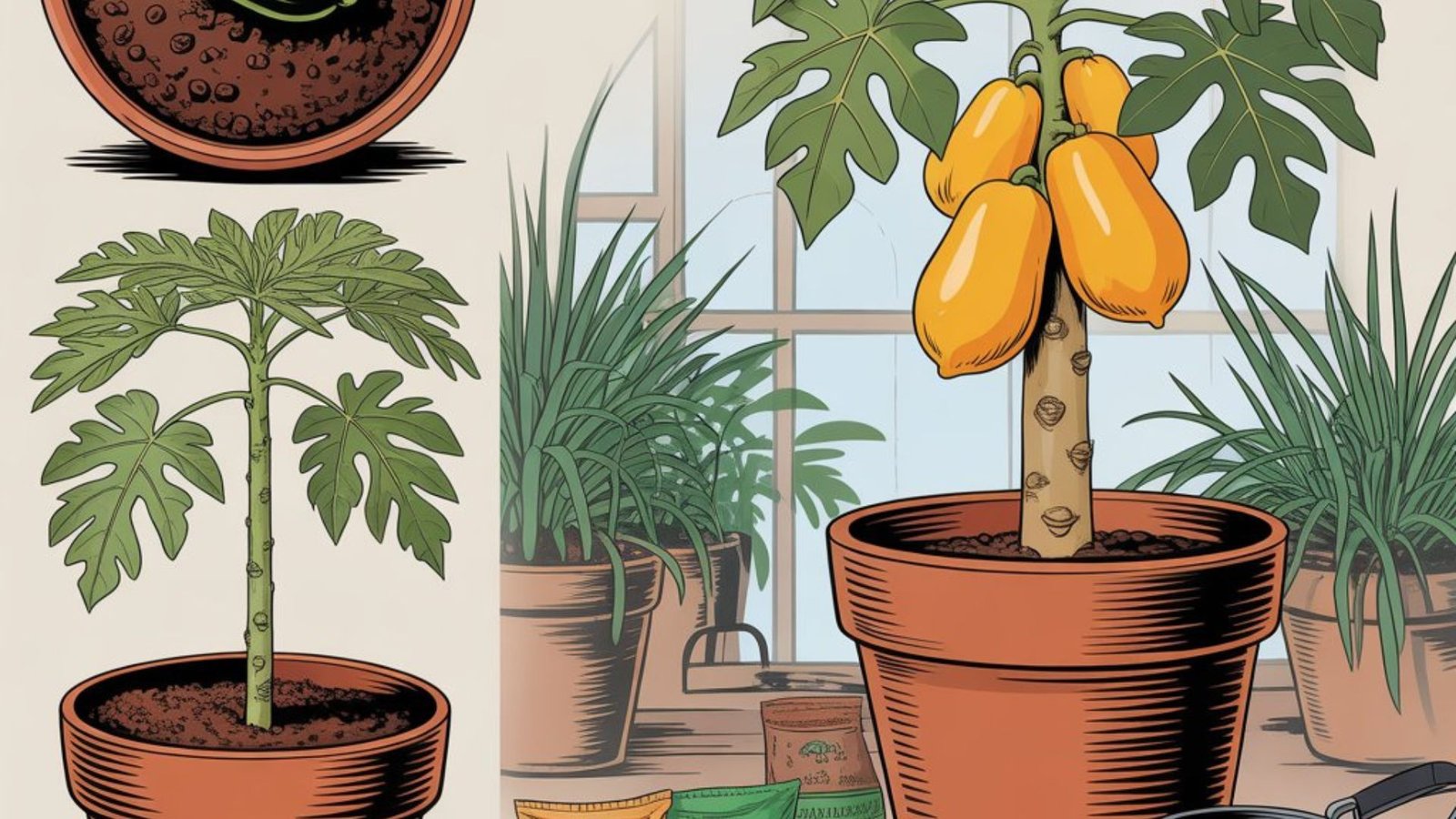
Growing your own papaya in containers is a rewarding experience that brings a taste of the tropics right to your home. If you’re curious about how to grow papaya in pots, you’ll be happy to know it’s simpler than it seems. With the right **papaya soil mix for pots**, regular watering, and proper sunlight, even gardeners in cooler regions can enjoy this exotic fruit.
Compact varieties like **dwarf papaya tree** make it easier to manage in limited spaces. Mastering **potted papaya care** means learning how to balance warmth, moisture, and nutrition. Soon, you’ll enjoy delicious fruits while enhancing your experience in **tropical fruit container gardening**.
Choosing the Best Papaya Varieties for Pots
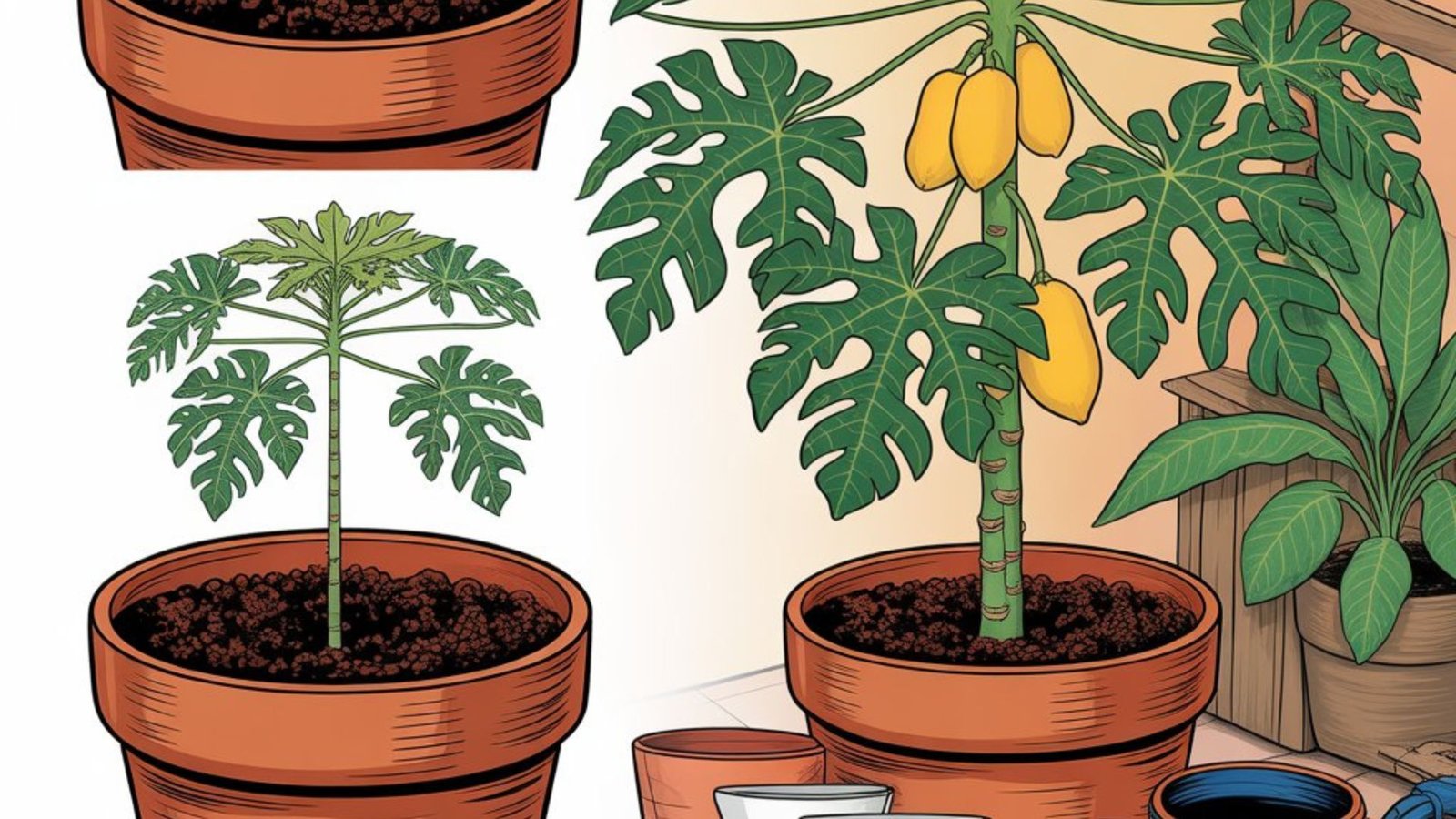
Not every papaya suits container growing. The secret lies in picking **self-fertile papaya cultivars** that stay small yet produce large fruit. For example, **TR Hove papaya** is a favorite among U.S. growers because it grows only six feet tall and bears fruit in less than a year. Another top pick is **dwarf red lady papaya**, known for its compact shape and high **papaya fruit size and yield**.
Below is a comparison of the best **dwarf papaya tree** varieties you can grow in containers.
| Variety | Average Height | Fruit Weight | Notable Feature |
| Dwarf Red Lady Papaya | 6–7 ft | 2–3 lbs | High yield, cold-tolerant |
| Sunrise Solo | 6 ft | 1–2 lbs | Sweet orange fruit |
| Caribbean Red | 7 ft | 2–4 lbs | Excellent flavor |
Choosing the right cultivar is essential for **container papaya fruit production** and easy **indoor vs outdoor papaya growing**.
Ideal Pot Size and Placement for Papaya Plants
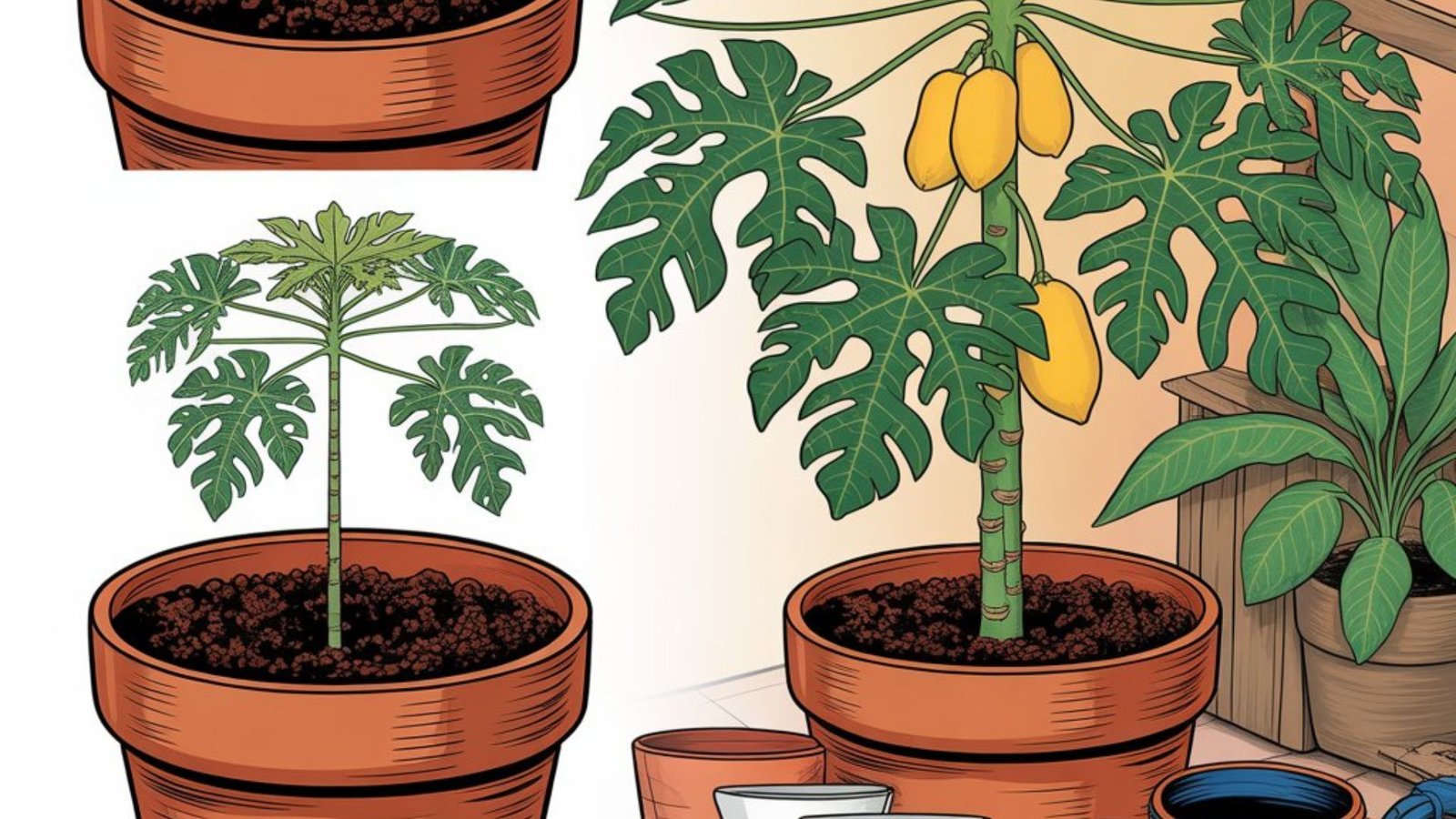
The **ideal pot size for papaya trees** starts around 5 gallons for seedlings but eventually reaches 20–25 gallons for mature plants. Large pots allow deep root development and prevent the need for frequent **papaya tree root pruning**. Containers made from plastic or clay work well, but make sure they have several drainage holes to prevent soggy roots.
Placement is equally vital. Papayas love sunlight—at least 6 to 8 hours per day. For **Papaya care in USDA Zone 7 b**, move the pot outdoors in summer and indoors when frost threatens. Proper placement also improves airflow, which helps maintain **papaya pest-free growing** conditions.
Best Soil Mix for Potted Papayas
A rich and fast-draining **papaya soil mix for pots** ensures steady growth. Use a combination of organic compost, per lite, coarse sand, and high-quality potting soil. This balance keeps air around the roots while locking in enough moisture. Avoid heavy clay soils because they hold too much water and cause rot.
Healthy **papaya growth stages** depend heavily on the soil’s texture and nutrients. Maintain a slightly acidic pH between 6.0 and 6.5. Adding earthworm castings or compost tea boosts beneficial microbes for long-term fertility. A well-prepared soil bed also reduces common **papaya seed germination problems**, ensuring vigorous plants from the start.
Watering and Fertilizing Papayas in Containers
Watering correctly is one of the most important parts of **potted papaya care**. These tropical plants love consistent moisture but hate wet feet. Always keep the soil as damp as a wrung-out sponge. During hot months, water once daily; in cooler weather, reduce watering to prevent rot. This steady routine is your ideal **papaya watering schedule**.
Feeding also plays a major role in plant health. Follow a simple **papaya fertilizer guide**—use organic fertilizer every 3–4 weeks during the growing season. Liquid kelp, fish emulsion, or compost tea provide slow, balanced nutrition. For faster fruiting, include calcium and magnesium supplements. Using the **best organic fertilizer for papayas** will boost flowering and fruit sweetness naturally.
Temperature, Light, and Humidity Requirements
Temperature control is crucial for **how to grow papaya in pots successfully. The perfect range for **papaya tree temperature requirements** is between 70°F and 85°F. Growth slows below 60°F and stops near freezing. That’s why many gardeners practice **overwintering papaya trees** indoors or in greenhouses.
If you live in cooler **papaya growing zones**, use supplemental lights to mimic tropical sunlight. LED grow lights help when natural light is scarce. High humidity, around 60–80%, supports healthy leaf growth and pollination. Understanding these conditions helps you learn **how to protect papayas from frost** and thrive year-round.
Pollination, Flowering, and Fruiting in Pots
Papayas have unique flowering habits. They can be male, female, or hermaphrodite. Knowing **Papaya plant male vs female vs hermaphrodite** types is important for success. Most **self-fertile papaya cultivars**—like TR Hove—don’t need cross-pollination, making them perfect for pots.
The **papaya fruiting time in cooler regions** can stretch to 4–6 months after flowering. If you’re growing indoors, hand-pollination with a soft brush helps improve fruit set. Temperature swings can delay **papaya fruit ripening**, but with patience, you’ll soon see green fruit turn golden and fragrant.
Pruning and Maintenance of Container Papayas
Papayas are low-maintenance, but proper care ensures better fruiting. While they naturally shed lower leaves, occasional **papaya pruning tips** include removing damaged foliage or trimming the top to control height. When re potting every few years, gentle **papaya tree root pruning** helps keep them vigorous and compact.
Cleanliness matters too. Remove fallen leaves or fruit from around your container to avoid fungal growth. With consistent ** papaya care** and observation, you’ll easily master the balance between lush growth and productivity.
Common Problems and Their Solutions in Potted Papayas
Even expert gardeners face challenges. Among the most **common papaya growing mistakes** are over watering, nutrient imbalance, and inadequate light. Yellowing leaves signal poor drainage or low nitrogen, while drooping leaves may mean excessive water.
Below is a quick troubleshooting table for your reference:
Problem Cause Solution
Rotting roots Waterlogged soil Improve drainage and reduce watering
Leaf drop in winter Cold stress | Move plant indoors or heat greenhouse
Keeping an eye on these signs ensures healthy, **papaya pest-free growing** plants all year long.
Harvesting and Long-Term Care for Your Papaya Plant
The joy of **papaya fruit harvesting time** arrives when the skin turns orange or yellow. Most varieties take 3–5 months from flowering to ripen. Knowing **how long do papayas take to ripen?** helps you pick them at peak sweetness. To harvest, twist the fruit gently from the stem or cut it cleanly with scissors.
For storage, keep ripe papayas at room temperature for a few days or refrigerate them to slow ripening. Long-term success means refreshing soil annually and replacing old plants every four to five years, depending on the **papaya tree lifespan in pots**. You can also try **greenhouse papaya growing** or **growing papayas alongside citrus and guava** for a vibrant mini-orchard at home.
Conclusion
Learning how to grow papaya in pots opens a door to tropical abundance right on your porch or balcony. With the right **papaya soil mix for pots**, consistent watering, and temperature control, you can enjoy flavorful fruit even in temperate climates.
Whether you live in Florida or **USDA Zone 7 b**, successful **indoor papaya tree care** is within reach. Follow these tips, and soon you’ll enjoy the lush look and sweet harvest of your very own potted papaya paradise.
FAQs
Q 1 ; Do papaya trees do well in pots?
Yes, papaya trees grow well in pots if given plenty of sunlight, rich soil, and proper drainage.
Q 2 ; How long does it take for a papaya plant to bear fruit?
A healthy potted papaya can start bearing fruit within 8 to 12 months after planting.
Q 3 ; Do papayas like full sun or shade
Papayas thrive in full sun and need at least 6 to 8 hours of direct light daily.
Q 4 ;’ What is the best potting mix for papaya?
A fast-draining mix of compost, per lite, and sandy loam works best for potted papayas.
Q 5 ; Are coffee grounds good for pawpaw trees?
Yes, coffee grounds can enrich the soil for pawpaw trees by adding nitrogen and improving texture.