
Knowing when is cantaloupe ready to pick is the secret to unlocking its sweetest flavor and perfect texture. Harvesting at the right time makes all the difference between a bland melon and one bursting with juice. During the warm cantaloupe growing season, every grower watches closely for ripe cantaloupe indicators such as color change, aroma, and texture.
A well-timed cantaloupe harvest time ensures peak sweetness and fragrance. Understanding cantaloupe fruit ripeness helps gardeners avoid underripe or overripe melons. Once you master these signs, you’ll always enjoy the rich, musky flavor that makes cantaloupe a favorite summer fruit across the USA.
Ideal Season and Time for Picking Cantaloupes

In the USA, the best time to pick cantaloupe from the vine usually falls between June and September, depending on your region. Southern states like Texas or Florida harvest earlier, while northern areas such as Michigan and New York peak later. The exact cantaloupe harvest time depends on climate and variety. Warm, sunny days help the melon mature faster, while cooler weather delays the process.
The table below shows the general cantaloupe maturity days and harvest periods for different regions:
Region . . . . . Ideal Harvest Months . .Average Maturity Days
Southern USA . . . . . June – August . . . 70–80 days
Midwest USA . . . . . . . July – September . . .80–85 days
Northern USA . . . . . . . August – October . . 85–95 days
Farmers often track how many days after pollination cantaloupe is ready, which typically ranges from 35 to 45 days. Monitoring the vines and weather ensures you harvest during peak flavor.
Key Indicators of Cantaloupe Ripeness
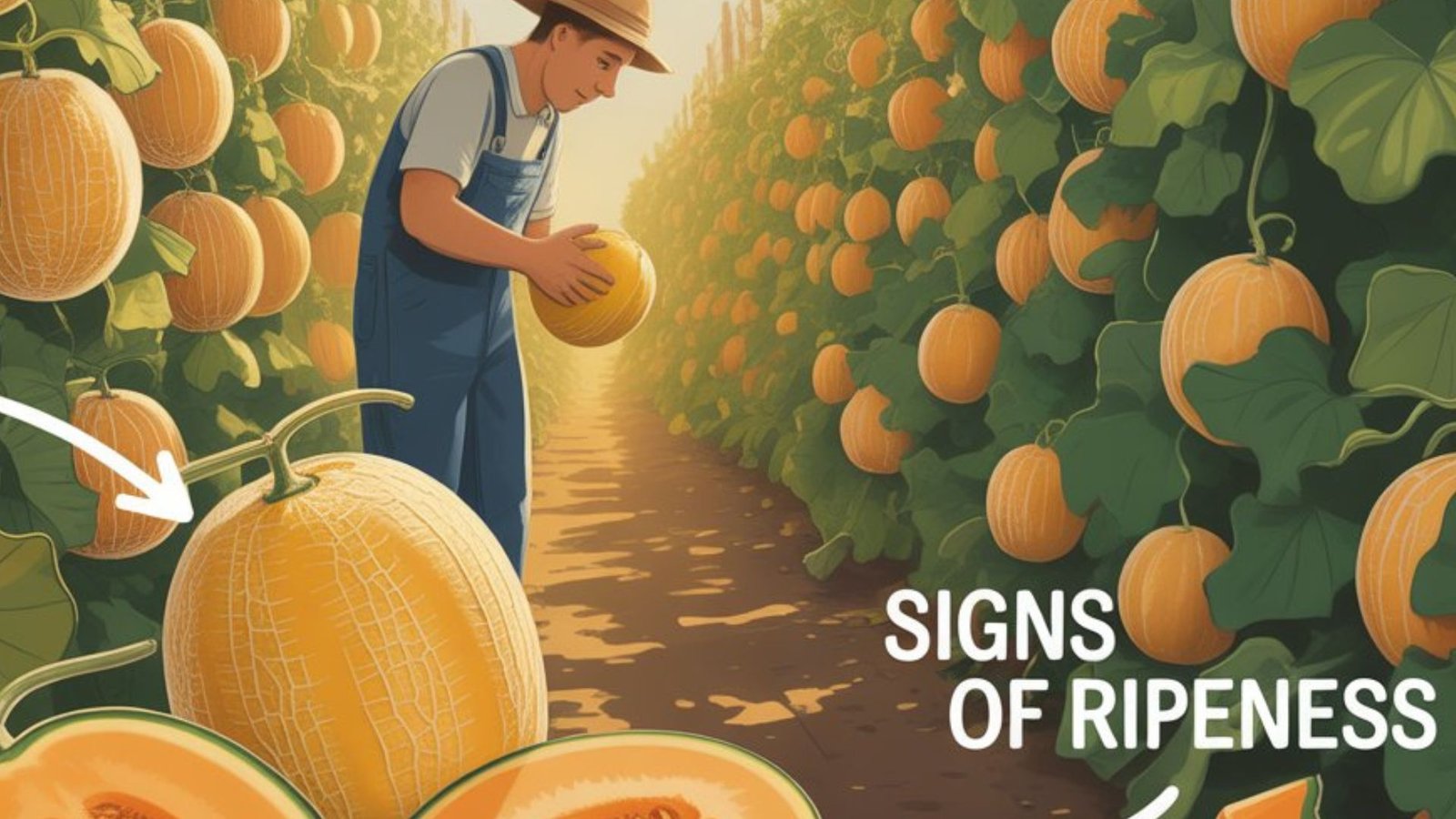
Understanding how to tell if a cantaloupe is ripe means paying attention to several visual and sensory cues. A ripe melon naturally detaches from the vine during the full slip stage cantaloupe, showing readiness. At this point, the fruit’s outer skin changes color, and it emits a light musky aroma of melon. These are strong signs of cantaloupe fruit ripeness. when is cantaloupe ready to pick when cantaloupe colour is yellow.
Some growers prefer picking during the half slip stage cantaloupe, when the melon is almost ready but still firm for transport. The ripe cantaloupe indicators include softening at the stem, deepened netting, and golden skin tone. These features are the best way to confirm when the cantaloupe is ripe and ready for your table.
Color, Texture, and Netting of the Skin
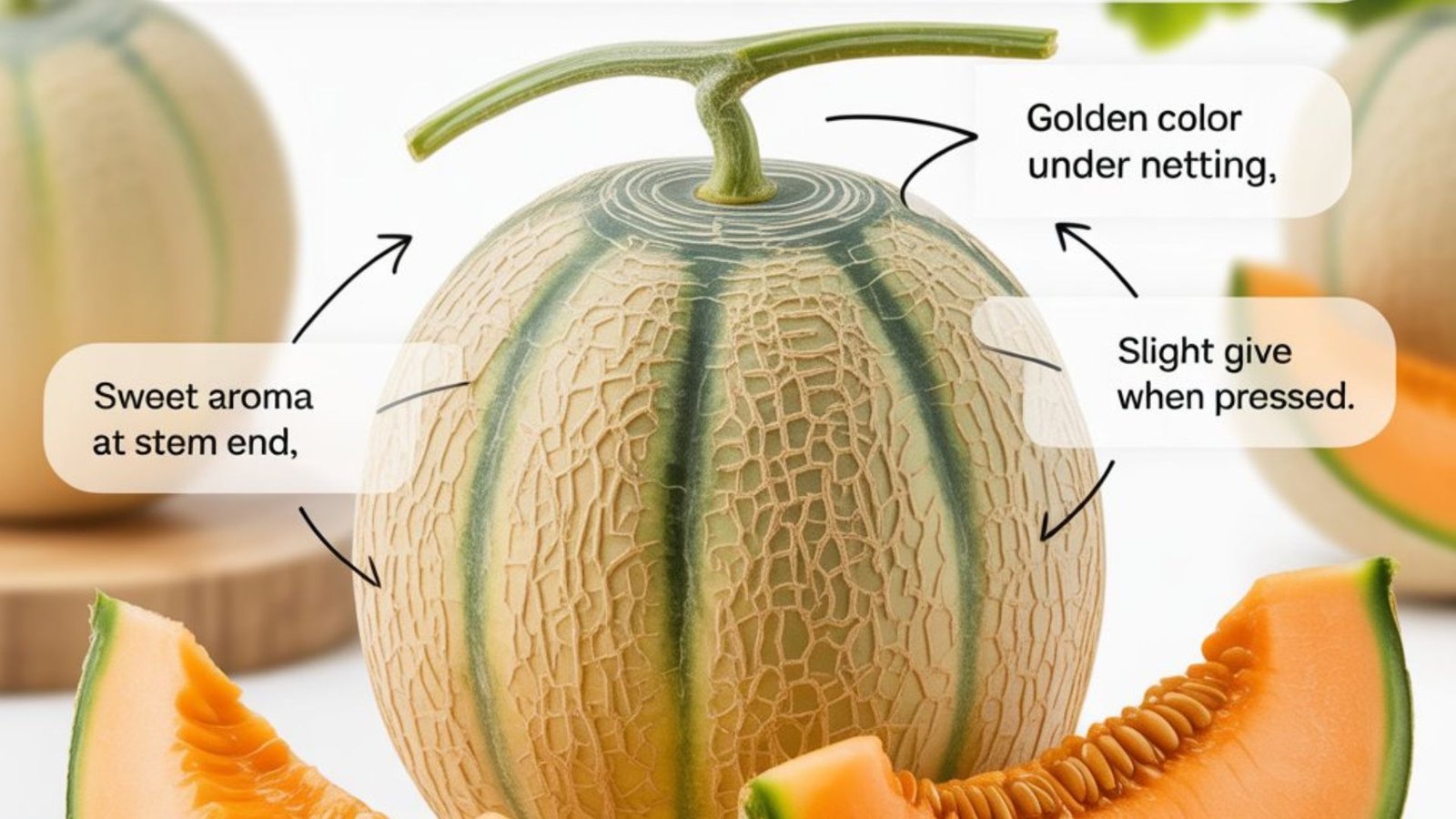
One of the simplest ways to recognize what a ripe cantaloupe looks like is by checking its color and surface texture. Immature melons have a green hue, but a ripe one shows a warm beige or golden tone. This cantaloupe skin color change is a natural signal that sugar levels inside have peaked. When light hits the surface, you’ll notice a dull, rough pattern — the cantaloupe rind netting — that becomes more pronounced as the fruit matures.
Texture also plays a major role in the best way to check cantaloupe ripeness. The skin feels slightly coarse, and the area near the stem loosens. Avoid fruit with cracks or a slimy feel, as those are signs of overripe cantaloupe. Once the rind looks dry and netted, the fruit is near perfect for harvest.
Smell and Blossom End Test
The sense of smell is a powerful tool in your cantaloupe picking guide. A ripe melon emits a distinct musky aroma of melon that’s sweet and pleasant. Hold it near your nose — if it smells like honey and sunshine, it’s likely ready. However, if it has no scent, it might still be underripe. That’s a simple way to learn how to know if cantaloupe is ready to eat.
The cantaloupe blossom end softness test is another excellent indicator. Press the blossom end gently; it should yield slightly without being mushy. This small change helps you decide if the cantaloupe should be soft or firm when ripe. A little give means perfect ripeness, while a very soft texture means the fruit is past its prime.
Sound and Touch Method for Ripeness
Growers often use the tap test as a traditional method for judging cantaloupe fruit ripeness. When you tap a ripe melon, it produces a low, hollow sound, unlike the dull thud of an underripe one. This sound reflects the inner texture and moisture balance. If you’re learning how to tell if a cantaloupe is ripe, the sound method is a quick and reliable clue. when is cantaloupe ready to pick when is season warm .
Touch also reveals much about when to pick cantaloupe from the vine. The fruit should feel heavy for its size, firm yet not hard. Soft spots indicate over ripeness while too much firmness shows immaturity. These small tactile differences often make all the difference for tips for picking sweet cantaloupe that taste amazing.
Step-by-Step Guide on How to Pick a Cantaloupe
The correct way of how to harvest cantaloupe begins with observation. When you see the stem starting to crack and the fruit slips easily from the vine, it’s time. This moment marks the full slip stage cantaloupe, the best point for picking if you want juicy, sweet flesh. Always handle the melon gently to avoid bruising or damaging the rind.
Instead of twisting, use pruning shears to cut cleanly. This prevents harm to the plant and makes harvesting melons from the vine more efficient. After picking, keep the fruit in a shaded area to cool it quickly. This helps maintain sugar levels and prevents spoilage, ensuring your cantaloupe ready to eat signs remain consistent across your harvest. when is cantaloupe ready to pick when season come to warm .
Common Mistakes to Avoid When Harvesting Melons
Many gardeners ask, why is my cantaloupe not ripening even when it looks mature. Often, this happens because it’s picked before reaching the slip stage. Harvesting too early stops sugar development. Another common mistake is leaving melons too long on the vine, leading to signs of overripe cantaloupe such as cracks and sour odor. Proper timing avoids both problems.
Rough handling during how to harvest cantaloupe can also ruin your efforts. Dropping or squeezing the fruit damages its texture. Always check the cantaloupe skin color change and cantaloupe rind netting before removing it. When in doubt, wait another day or two — ripe fruit will detach naturally and reward you with better flavor.
How to Store Cantaloupes After Harvest
Once harvested, knowing how to store cantaloupe after harvest helps extend freshness. Whole melons last several days at room temperature, but refrigeration is the best way to check cantaloupe ripeness and preserve quality. Store uncut fruit in a cool, dry place until ready to eat. For sliced cantaloupe, refrigeration is essential to prevent bacterial growth.
Here’s a simple table showing the right storage methods:
Storage Method . Ideal Temperature . . . Shelf Life
Whole Melon (Room Temp) . 70°F . . . . . . 3–5 days
Whole Melon (Fridge) . . . . 45°F . . . . . . 7–10 days
Cut Pieces (Fridge) . . . . . . 40°F . . . . . . 2–3 days
To keep cantaloupe fresh in the fridge, wrap slices tightly in plastic or store in airtight containers. Avoid placing them near strong-smelling foods since melons easily absorb odors. Following these tips ensures long-lasting freshness and perfect taste.
Conclusion – Enjoying Sweet, Juicy Cantaloupes
By now, you know exactly how to know if cantaloupe is ready to eat and when to harvest for the best flavor. Watching for cantaloupe skin color change, testing the cantaloupe blossom end softness, and smelling for the musky aroma of melon are all reliable clues. Remember, underripe vs ripe cantaloupe makes a huge difference in taste and texture. when is cantaloupe ready to pick september to october.
Enjoying homegrown cantaloupe means understanding its rhythm — from cantaloupe growing season to the final cantaloupe harvest time. With care and timing, you’ll never wonder again if cantaloupe ripen after picking because yours will always be perfect when plucked. Apply these methods, and every bite will remind you why this fruit is the true taste of summer.
FAQs
Q1. How do I know when my cantaloupes are ready to pick?
Cantaloupes are ready to pick when the rind changes from green to beige or golden and the fruit easily separates from the vine with gentle pressure.
Q2. What does a cantaloupe look like when ready to harvest?
A ripe cantaloupe has a deep, netted skin pattern, a sweet musky aroma, and a slightly soft blossom end.
Q3. Will cantaloupe ripen if picked too early?
No, cantaloupes do not ripen much after being picked; they only soften slightly, so harvesting too early affects sweetness.
Q4. Do cantaloupes fall off the vine when ripe?
Yes, fully ripe cantaloupes often slip off the vine naturally with minimal effort, a stage called “full slip.”
Q5. How many cantaloupes do you get off one plant?
On average, each healthy cantaloupe plant produces 4 to 6 fruits under good growing conditions.