
Growing strawberries successfully in the USA depends on more than sunshine and water; it also relies on smart soil care. One of the most effective techniques is mulching strawberries, a practice that protects plants and boosts yields.
By using natural covers like straw or pine needles, gardeners provide essential winter protection for strawberries while also offering relief from summer heat. Mulch helps in keeping strawberries clean, safe from pests, and less prone to rot. It also blocks weeds and lowers the chance of soil-borne pathogens in strawberries. Over time, this method improves harvests and supports sustainable organic strawberry growing practices.
Benefits of Mulching Strawberries
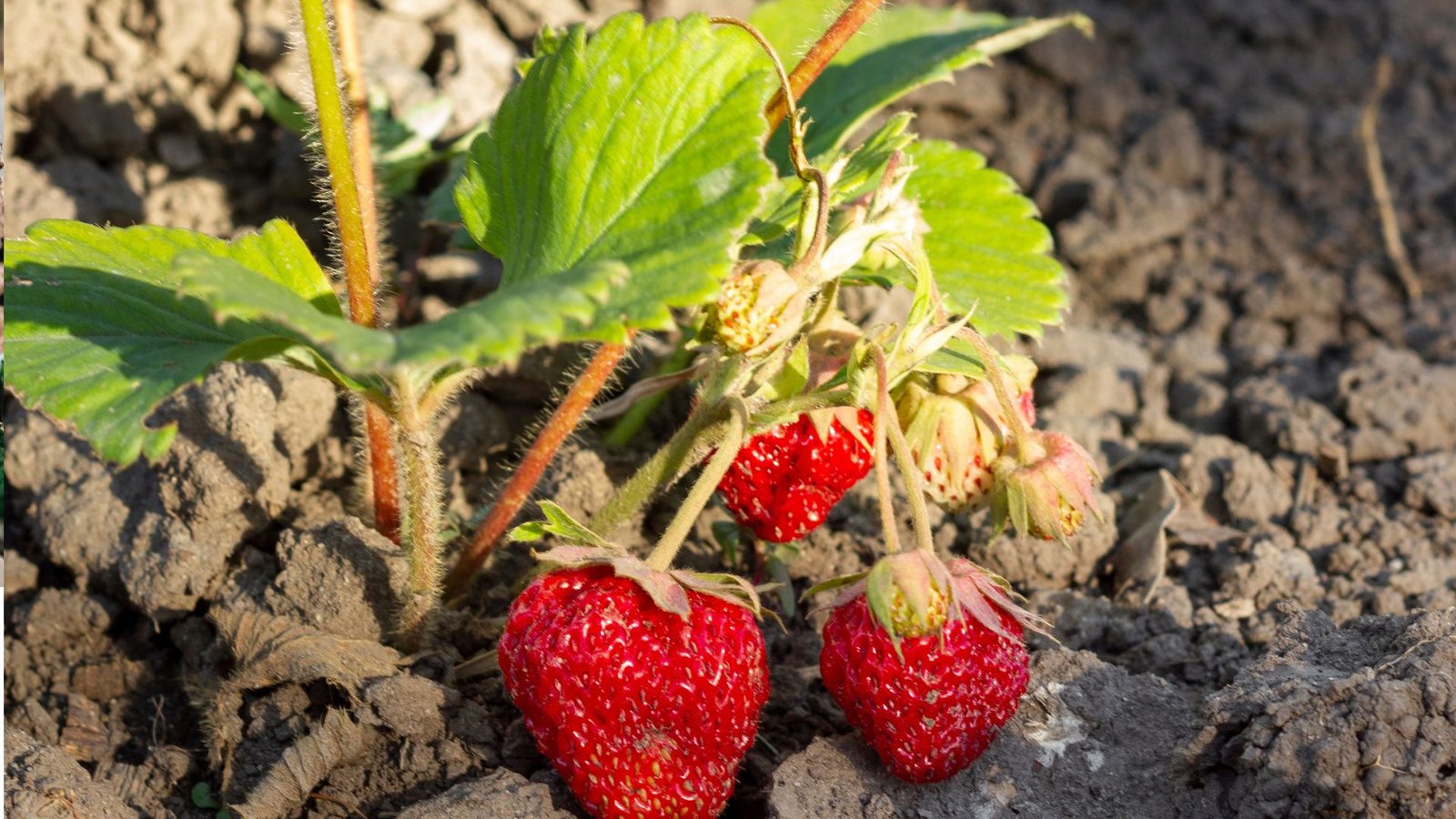
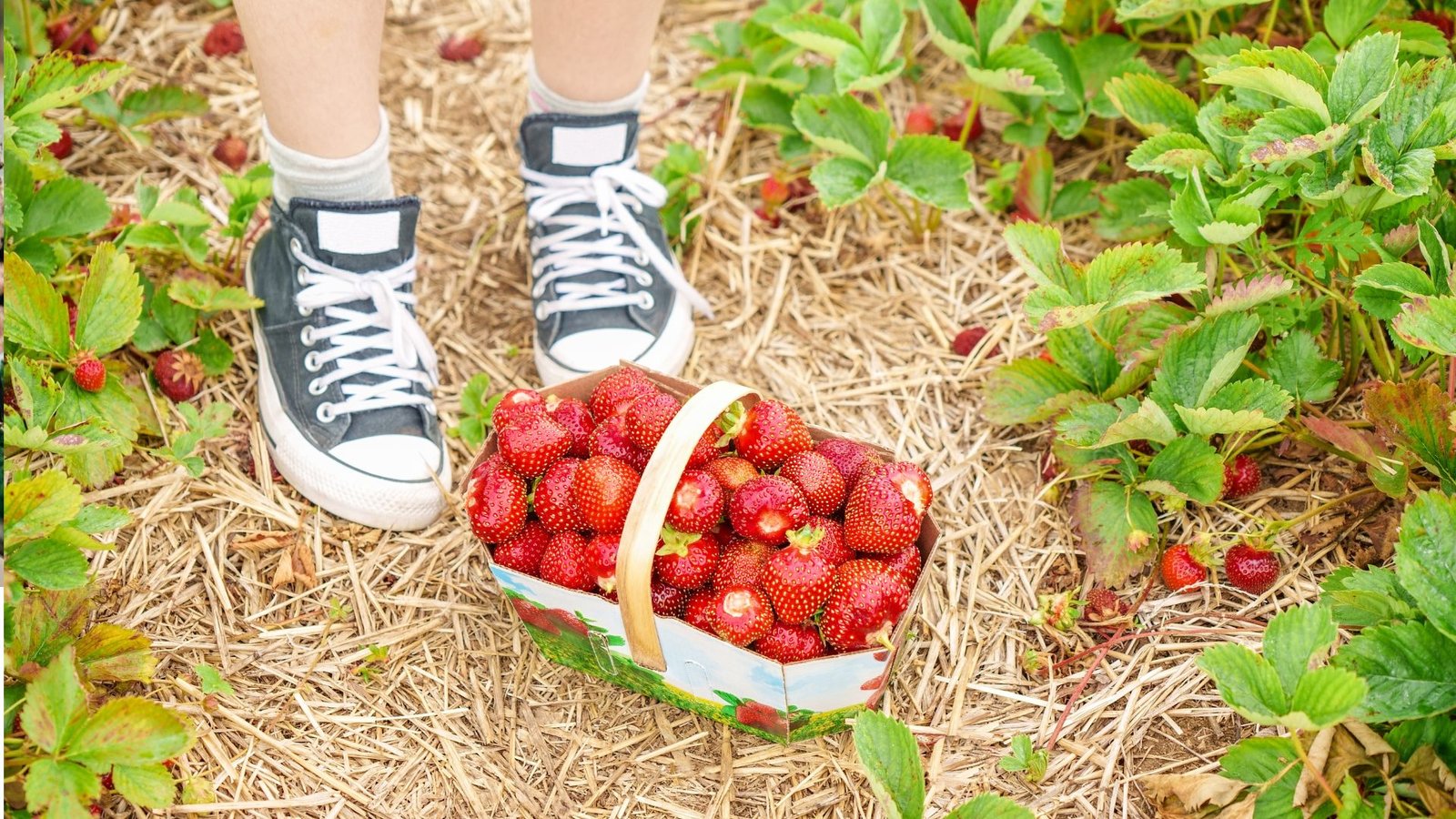
Mulching strawberries is more than just adding straw to the soil. It is a proven way to maintain healthy strawberry plants throughout changing seasons. A proper mulch layer works like a blanket in winter and an umbrella in summer. It helps keep soil temperatures stable, cuts down on weeds, and keeps fruit off the dirt.
Another big advantage is disease prevention. Without mulch, muddy water splashes up during rainstorms. That splash spreads soil-borne pathogens in mulching strawberries and can ruin a crop. With mulch, berries stay clean and less likely to rot. The simple act of covering soil can mulching improve strawberry yield and quality, making this step essential for all growers.
Best Mulching Options for Strawberries
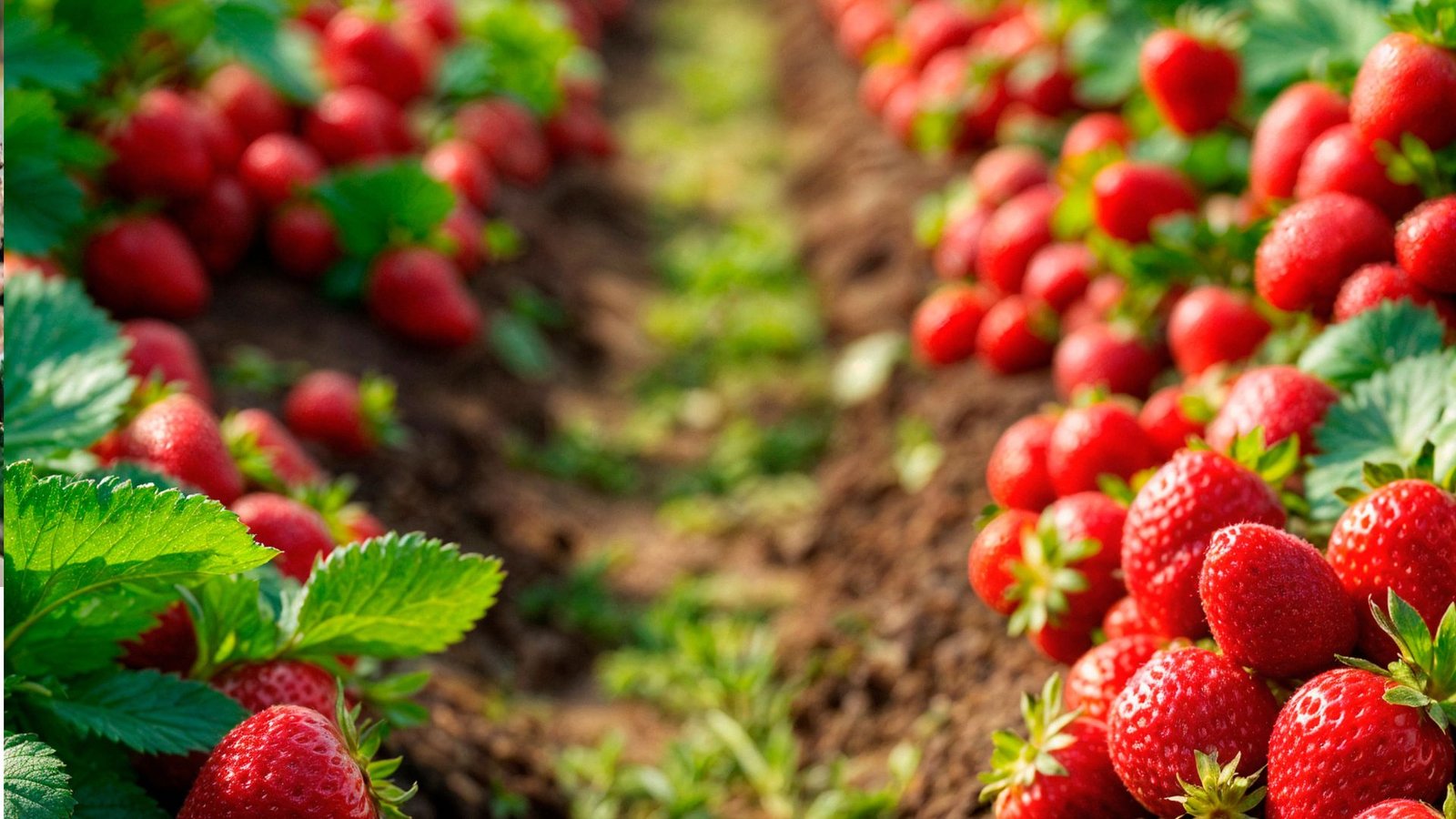
Not all mulch materials are equal. In the USA, straw remains the classic choice. Straw protects plants from cold injury, allows loose clean straw for airflow, and forms a barrier between berries and soil. Farmers trust it because it is cheap, easy to spread, and breaks down naturally.
Other options exist too. Pine needle mulch for strawberries works well in acidic soils, especially in southern states. Shredded leaves provide organic matter, while wood chips can be used around the edges of beds. Each type has strengths, but clean straw is still the top choice for organic strawberry growing.
| Mulch Type | Best Use | Advantages | Disadvantages |
| Straw | Nationwide | Cheap, keeps fruit clean | Must be clean and seed-free |
| Pine Needles | Southern USA | Adds acidity | May mat if too thick |
| Shredded Leaves | Backyard gardens | Adds organic matter | Can compact |
| Wood Chips | Pathways/edges | Long-lasting | Not ideal directly on crowns |
When to Mulching Strawberries
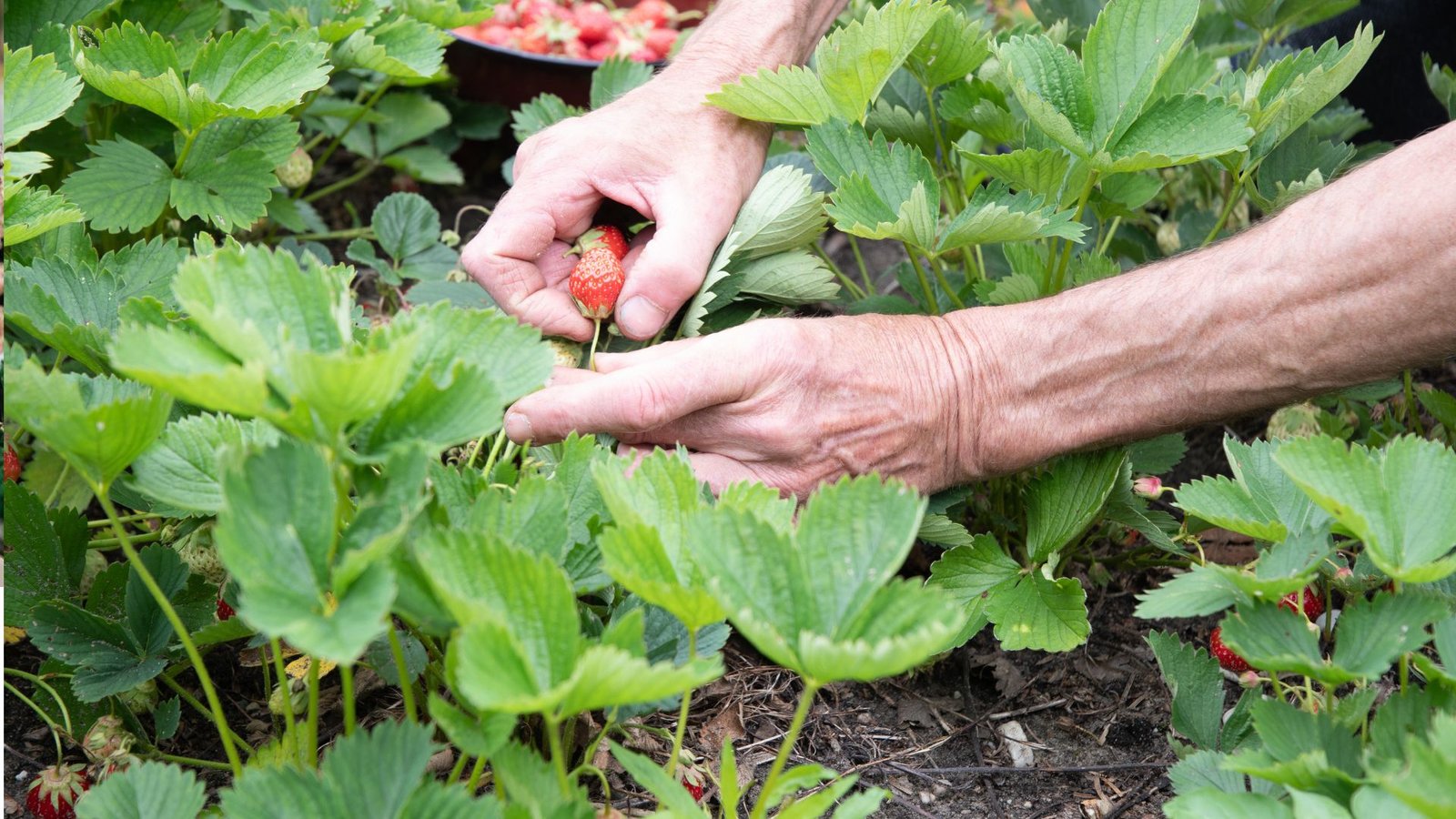
The timing of mulch application is critical. In northern states, it is best to mulch in late fall after several frosts but before the soil freezes. This creates strong winter protection for Mulching strawberries and prevents crowns from being damaged by ice.
In warmer southern regions, mulch is also useful in summer. A good layer helps keep roots cool during summer and shields plants from heat. By protecting roots from heat stress, mulch reduces plant fatigue and keeps berries fresh for longer harvests.
Mulching Strawberries for Winter Protection
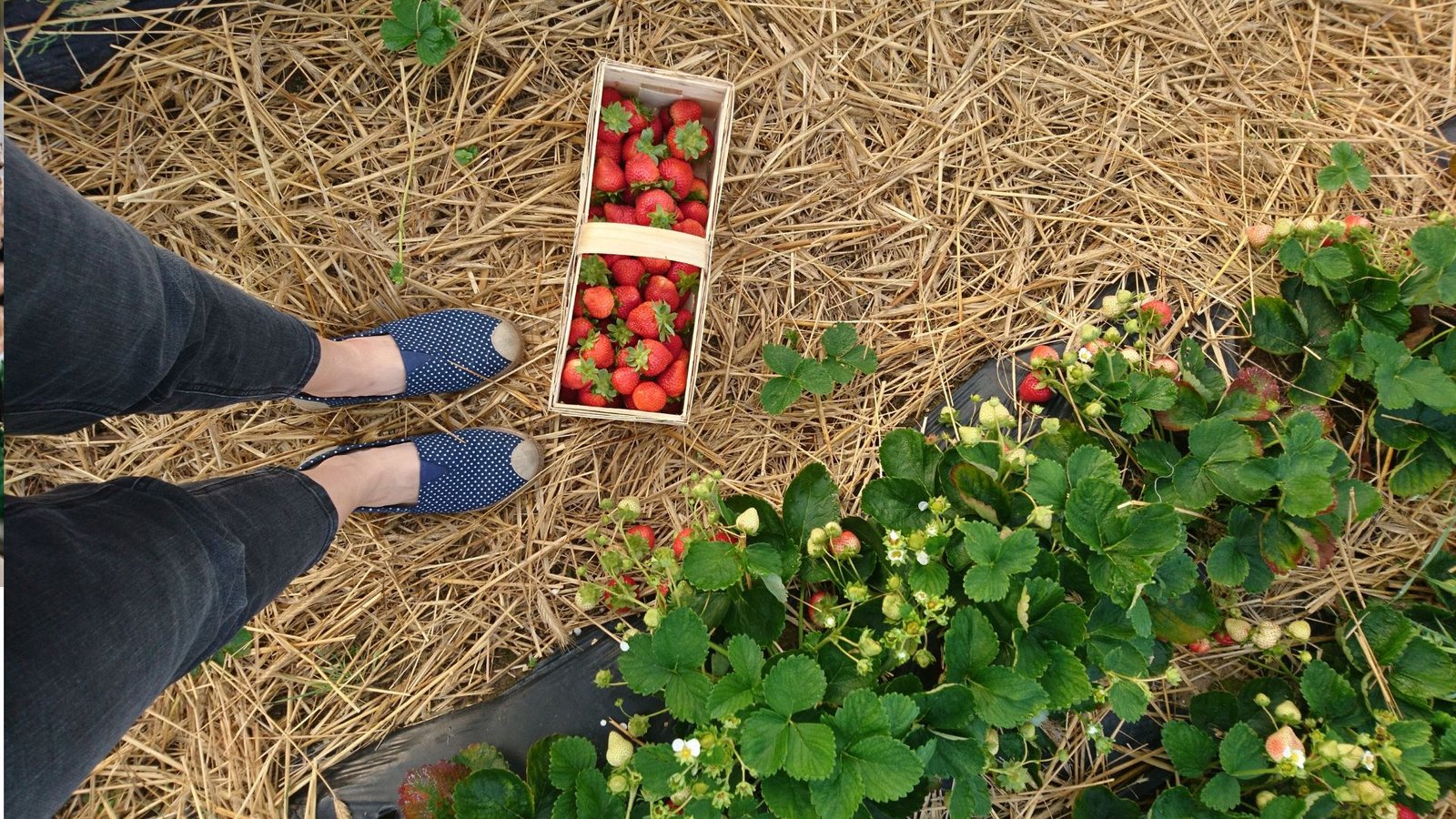
Strawberries are known as strawberry plants in temperate climates, yet even hardy plants can suffer from freezing weather. Without protection, roots and crowns may die back. A simple layer of straw provides strawberry patch protection through the coldest months.
Mulch is especially vital in areas with frequent freeze-thaw cycles. Sudden warm spells followed by sharp freezes damage roots. By insulating soil with straw, growers create stable conditions and reduce winter injury. Farmers across the Midwest have used this method for decades with proven success.
How to Apply Mulch Properly
Good technique makes all the difference. In fall, wait until frost has hardened the soil. Then spread straw about three inches deep across the bed. Make sure not to cover the crowns fully. This allows plants to breathe and prevents rotting.
In summer, mulch should be refreshed around the plants. A thinner layer is enough to mulching prevents overheating while still helping to reduce soil splash and contamination during rainfall. Done right, mulch acts like a shield that works year-round.
Removing Mulch from Strawberries in Spring
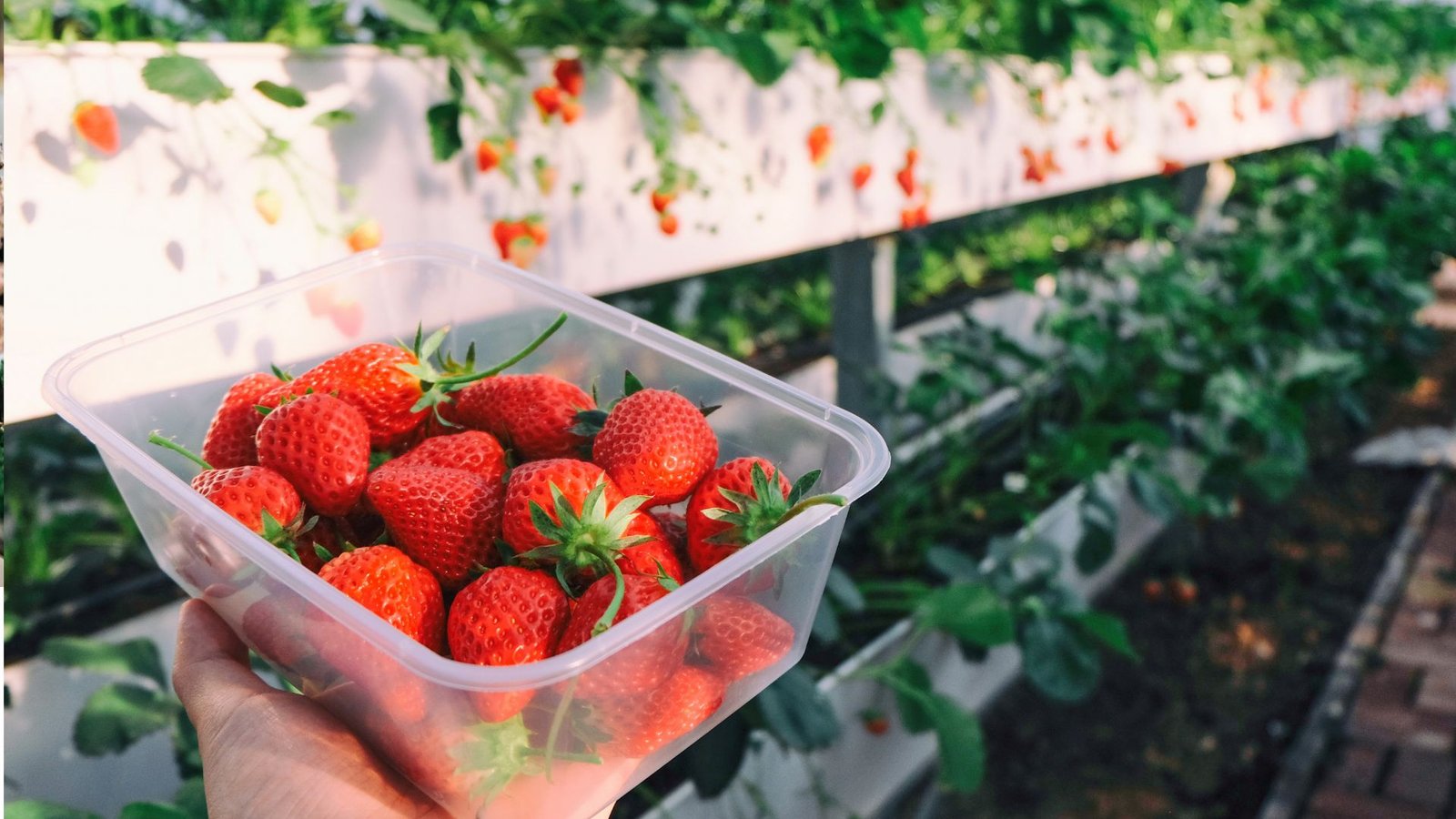
Spring removal requires patience. If mulch is taken away too early, plants may be harmed by frost. If it is left too long, it can slow down growth. The right time is when soil begins to warm and leaves start pushing through.
To remove mulch, gently rake straw aside without damaging new shoots. Leftover straw can be reused between rows to suppress weeds. This practice saves money, recycles material, and supports mulching benefits for berry crops in later stages of the season.
Mulching Mistakes to Avoid
Mulching can greatly improve Mulching strawberry growth, but small mistakes in its use often create bigger problems than benefits. One of the most common errors is applying mulch at the wrong time. When it is placed too early, before the soil has cooled properly, it can trap extra warmth, disturb the plant’s natural resting phase, and slowly reduce its overall strength for the next season.
Another issue comes from using low-quality or unclean mulch materials. Straw or organic matter that contains weed seeds, dust, or decaying debris may introduce unwanted growth in the field and increase competition for nutrients. Instead of protecting the crop, it ends up creating additional work and stress for the plants.
Many growers also make the mistake of piling mulch directly over strawberry crowns. This blocks airflow, holds excess moisture, and often leads to crown rot or fungal problems. Proper placement is important—mulch should support the plant from the sides, not cover it completely.
Keeping mulch fresh, dry, and well-spread is essential for disease prevention. Regular monitoring helps ensure that it stays loose and breathable. When these small details are carefully managed, mulching becomes a powerful tool that improves soil health, reduces weed pressure, and supports strong, high-yielding strawberry plants season after season.
Mulching and Fruit Quality
A well-mulched bed always produces cleaner berries. Rain cannot splash soil onto fruit, lowering the risk of rain splash disease in strawberries. Less dirt also means easier washing and better taste.
Mulched plants also ripen evenly. By controlling soil temperature and moisture, growers see sweeter and juicier berries. This is why sellers in USA markets prefer fruit grown with straw—it keeps quality high and improves strawberry yield and quality.
Long-Term Strawberry Farming Guide
Regular mulching plays a key role in successful organic strawberry cultivation. Adding mulch in the fall, refreshing it during summer, and adjusting it in spring helps maintain healthy soil conditions throughout the year. Over time, this routine improves soil fertility and supports stronger, more productive plants.
Growers who integrate mulching with drip irrigation systems and organic compost often achieve the best results. When this practice is followed consistently each season, the soil stays rich, plant diseases are reduced, and strawberry production steadily increases. In long-term farming, mulch is more than just seasonal protection—it becomes an essential strategy for sustainable and profitable crop growth.
FAQ’s
Q1. Do strawberries like to be mulched?
Yes, strawberries love mulch because it keeps soil moist, protects roots, and helps produce cleaner, healthier fruit.
Q2. Are grass clippings good mulch for strawberries?
Fresh clippings aren’t ideal, but dried grass clippings can be used in thin layers to add nutrients and suppress weeds.
Q3. When should mulch be removed from strawberry plants?
Mulch should be removed gradually in early spring once plants show new growth and frost risk has mostly passed.
Q4. What is the best mulch for blueberries and strawberries?
Straw works best for strawberries, while blueberries prefer pine needles or bark mulch to support their acidic soil needs.
Q5. When to mulch strawberries?
After the first hard frost in fall for winter protection, and again in summer to keep roots cool and fruits clean.